
Lawn
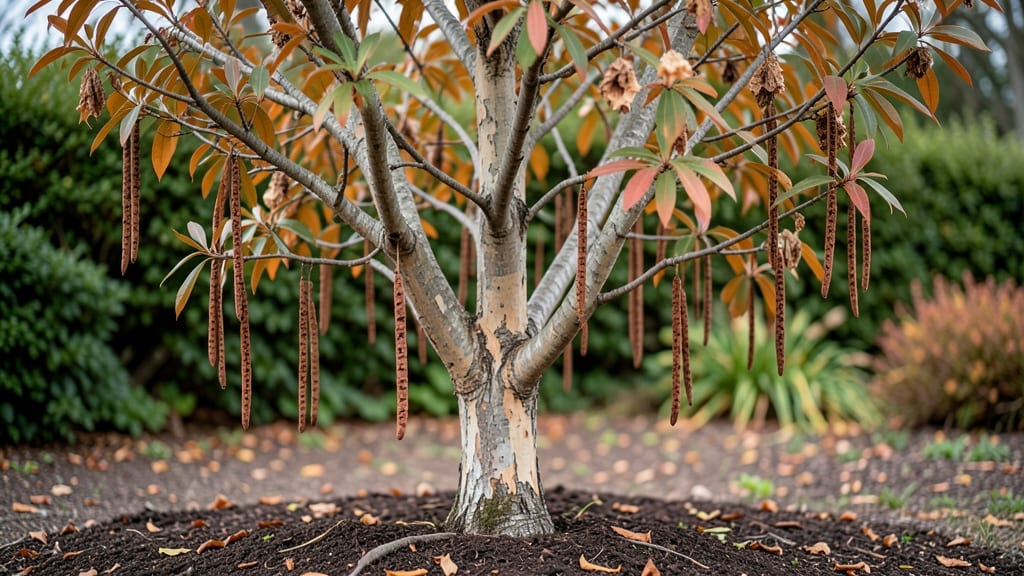
Crepe myrtle seed pods are nature’s time capsules—waiting to release their secrets if you know when to twist them free. 🌿 I’ve spent years watching these brown, papery pods split open just as the snow starts to fall, and that’s when you’ll find the most viable seeds for next year’s garden.
The trick isn’t just waiting for them to burst on their own; it’s learning the right way to coax them open without damaging the seeds inside.
You’ll need just a few simple tools: gloves (those pods can be prickly!), a bucket or basket, and a sharp pair of scissors or pruners. Harvesting happens in late fall or early winter, right after the pods turn a deep brown and start to crackle when squeezed.
The goal is to collect them before they release seeds into the mulch—where they’ll likely end up as next year’s unwanted volunteers.
Once you’ve gathered them, the real magic happens in processing. Soak the pods in warm water for a day to soften the fibers, then gently twist or cut them open to reveal the flat, dark seeds inside.
These seeds need a cold stratification period (think winter in your fridge) to break dormancy, so plant them in pots in late fall or early winter, and you’ll see sprouts by spring. The payoff? Bushes that grow true to the parent plant’s stunning blooms and drought tolerance.
Don’t toss those empty pods either—they make gorgeous winter decorations when strung together or scattered across a garden bed. Just be warned: if you leave them too long, squirrels will beat you to the seeds! The key is timing, patience, and a little bit of twist.
📚 In This Guide
- What you need
- Instructions
- Tips and common mistakes
- Wrapping up and next steps
What you need
- ● Mature crepe myrtle seed pods: Collect only fully brown, dry pods (usually late fall/winter). Aim for 50–100 pods for a reliable seed stash.
- ● Pruning shears or sharp scissors: Bypass-style (for clean cuts) or anvil-style (for thicker stems). 1 pair is all you need!
- ● Large paper grocery bags or breathable mesh bags: 2–3 bags (10–15 gallons each) to collect pods without crushing them.
- ● Rubbing alcohol (70% isopropyl) and cotton swabs: For sterilizing tools to prevent fungal contamination.
- ● Plastic or glass container with lid: 1 quart-sized for storing seeds (label it with the harvest date!).
- ● Fine-mesh sieve or colander: 1 (¼-inch mesh) to separate seeds from chaff.
- ● Paper towels or coffee filters: 2–3 sheets for drying seeds.
- ● Gloves (gardening or thin nitrile): Protects hands from Lagerstroemia sap (can stain!) and thorns.
- ● Ladder or step stool: If pods are high up—4–6 ft is ideal for reach.
- ● Small fan or dehumidifier: Speeds up seed drying in humid climates.
- ○ Seed viability test kit: Optional but handy to check germination rates before planting.
- ● Notebook & pen: Track pod sources (e.g., "Red Rope cultivar") for future reference!
How to harvest crepe myrtle seed pods without breaking them
Here's my foolproof method for collecting seeds that stay intact and ready for next season.
🌿 Step 1: Identify the Right Pods at Peak Ripeness
Wait until the seed pods turn a deep brown and begin to split open naturally—usually in late fall after the first frost. The pods should feel dry and papery to the touch, not green or leathery. I always check pods from multiple branches to ensure they're uniformly mature.
Gently squeeze a few pods between your fingers. If they crumble easily but don't break apart completely, they're ready. If they're still firm, wait another week. Harvesting too early means immature seeds that won't germinate, while waiting too long risks losing seeds to wind or wildlife.
✂️ Step 2: Harvest with Precision to Preserve Pod Integrity
Use clean, sharp pruning shears to snip the pods directly from the stem, leaving about ½ inch of stem attached. Twisting pods off the branch often causes them to split prematurely and lose seeds. I like to work on a dry, sunny day when the pods are at their most brittle.
Place the harvested pods in a paper bag—never plastic, as condensation will cause mold. Label the bag with the date and crepe myrtle variety if you have multiple types. Handle pods gently; even a slight bump can cause them to crack open and scatter seeds.
🪴 Step 3: Dry and Store Pods Properly for Germination
Spread the pods out on a clean, dry surface in a single layer, away from direct sunlight. Let them dry for 1-2 weeks until completely brittle. You'll know they're dry enough when they rattle when shaken and feel light in your hand. This step is critical—moisture will ruin the seeds.
Once fully dry, store the pods in an airtight container, like a glass jar with a tight-sealing lid. Keep them in a cool, dark place, such as a pantry or basement, where the temperature stays between 40-60°F. Properly stored, these pods will remain viable for up to 2 years.
💧 Step 4: Extract Seeds When Ready to Plant
When you're ready to plant, open the dried pods by gently squeezing them between your fingers. The seeds should pop out easily—if they don't, the pods may still need more drying time. I like to do this over a clean sheet of paper to catch any stray seeds that might slip out.
Separate the seeds from any remaining pod debris and store them in a small envelope labeled with the planting year. Crepe myrtle seeds germinate best when sown fresh, so aim to plant them within 6 months of extraction for the highest success rate.
⏰ Step 5: Stratify Seeds for Better Germination Rates
Crepe myrtle seeds benefit from a cold stratification process to mimic winter conditions. Place the seeds in a plastic bag with a damp paper towel, seal it loosely, and refrigerate for 30-60 days. Check the towel occasionally to ensure it stays moist but not soggy—excess water will cause rot.
After stratification, sow the seeds ¼ inch deep in a well-draining seed-starting mix. Keep the soil consistently moist and place the container in a warm spot with indirect light. Germination can take 2-4 weeks, so be patient. This cold treatment breaks dormancy and significantly improves germination rates.
Tips & tricks for perfect crepe myrtle seed pod harvesting
Here's what I learned after years of trial and error with these delicate seed pods.
Timing is Everything: The 1-2 week drying period in Step 3 is non-negotiable—don't rush it! I've tried skipping this step, and the seeds either mold or won't germinate. Place a small fan nearby to help circulate air while keeping them out of direct sunlight. This speeds up drying without risking sun damage. The pods should feel hollow when tapped, like an empty paper bag.
Harvesting Technique: Step 2's ½ inch stem attachment is crucial for handling. I've found that using small rubber bands around the stems before harvesting prevents accidental drops. Also, work when the pods are completely dry and brittle—this makes them easier to handle without breaking. If you're harvesting on a windy day, consider using a large, shallow basket lined with paper towels to catch any stray pods that might fall.
Stratification Shortcut: For the 30-60 day stratification in Step 5, I've had success using a zip-top bag with a damp paper towel folded inside. Place the seeds between the towel layers, then seal the bag loosely (leave a tiny opening). This creates a mini greenhouse effect that maintains moisture without causing rot. Check weekly and add a drop of water if the towel feels dry to the touch.
Storage Wisdom: The 40-60°F storage temperature range is perfect for most basements or pantries. If your home gets warmer than 60°F, consider moving the container to the coldest spot you have—like an unheated garage or cellar. I've kept pods viable for 2 years using this method, but I always label containers with the harvest year to track freshness. For extra protection, place a small silica gel packet inside the storage container to absorb any lingering moisture.
Pro Tips for Crepe Myrtle Seed Pods
- Here's what I learned after years of trial and error with these delicate seed pods.
- Timing is Everything: The 1-2 week drying period in Step 3 is non-negotiable—don't rush it! I've tried skipping this ...
- Harvesting Technique: Step 2's ½ inch stem attachment is crucial for handling. I've found that using small rubber ban...
Frequently asked questions
Got questions about crepe myrtle seed pods? You’re not alone! Here are answers to the most common queries—from timing to troubleshooting—to help you master the harvest like a pro.
When are crepe myrtle seed pods ready to harvest?
Harvest pods when they turn brown and start splitting open naturally—usually in late fall to winter (October–December in most regions). Wait too long, and seeds may scatter or lose viability. Pro tip: Gently twist pods to check for resistance; they should yield slightly when ready!
How do I know if the seeds inside are still viable?
Viable seeds are plump, firm, and dark brown inside the pod. Test viability by placing a few in water: good seeds sink quickly. If most float or look shriveled, the pods may have been harvested too late. Store viable seeds in a cool, dry place (like a paper bag) until spring planting.
Why are my crepe myrtle seed pods twisting off the tree too easily?
Twisting pods often signal over-ripeness or disease (like powdery mildew). If pods detach prematurely, check for pests or fungal spots on the tree. Harvest pods as soon as they brown to avoid waste. For stubborn branches, use pruning shears to cut pods cleanly—never pull!
Can I plant crepe myrtle seeds directly from the pod, or do I need to clean them?
You can plant pods whole (they’ll decompose naturally), but cleaning seeds improves germination. Remove pods, soak seeds in warm water for 24 hours, then dry them on paper towels. Sow seeds ¼ inch deep in well-draining soil—no stratification needed!
What’s the best alternative if my crepe myrtle isn’t producing seed pods?
If your tree skips pods, it may be too young (<3 years), male (needs a female tree for pollination), or stressed. Try hand-pollinating with a paintbrush or plant a second crepe myrtle variety nearby. For instant greenery, propagate from cuttings or buy grafted nursery plants.
Wrapping up and next steps
Harvesting crepe myrtle seed pods doesn’t have to be a twisty, frustrating task—with the right tools and techniques, you can gather viable seeds effortlessly for next year’s garden. 🌱 Whether you’re pruning for aesthetics or propagating new plants, these pods hold the promise of future growth.
Now that you’re equipped with the know-how, why not take the next step? Share your crepe myrtle seeds with fellow gardeners or plant them in your own landscape to enjoy their beauty year after year!
Pro tip: Mark your calendar for late fall or early winter—this is prime time to collect pods before they release seeds naturally! 🌿