
Lawn
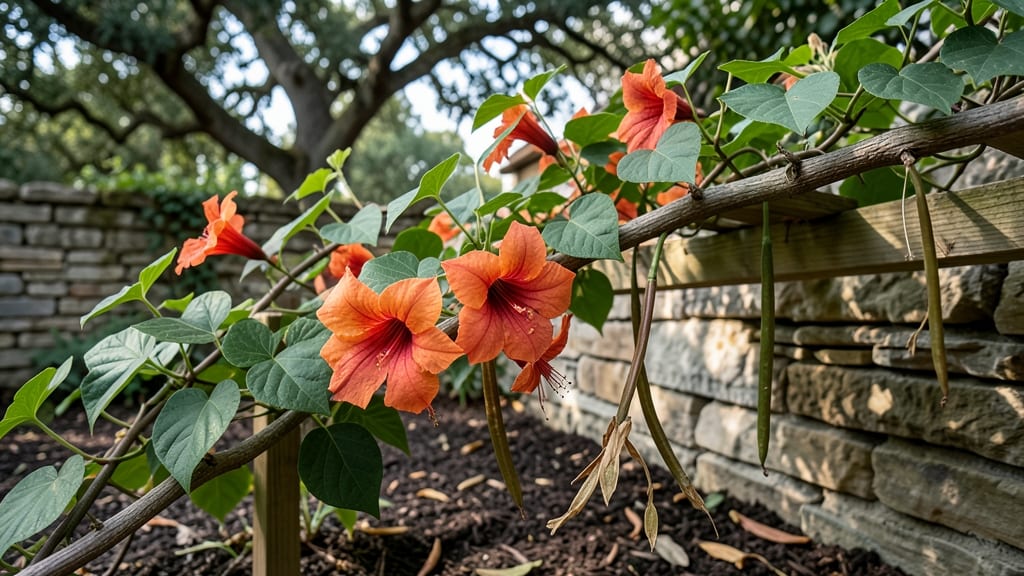
Trumpet vine seed pods hold the key to next year’s vibrant blooms—if you know how to harvest them right. 🌿 I’ve spent years watching these long, papery pods split open, only to lose the seeds to squirrels or rain.
But there’s a method that guarantees you’ll save every seed for propagation, and it’s simpler than you’d think.
The best time to collect is late fall, when the pods turn brown and start cracking open naturally. You’ll need a small bucket, sharp scissors, and a dry spot to store them—no fancy equipment, just patience.
The seeds inside are tiny but mighty, and with the right preparation, they’ll sprout into strong new vines within weeks.
Once you’ve dried and stored the pods, the real magic happens with stratification—a simple cold treatment that mimics winter conditions. After just 6-8 weeks in the fridge, those seeds will be ready to plant, and you’ll have a head start on next season’s climbing stars.
The payoff? A garden filled with bold orange trumpet flowers without spending a dime.
This method also works for creative projects—dried pods make stunning centerpieces or natural decorations. Just be patient; trumpet vine seeds can take 2-3 months to germinate, but once they do, they grow fast. Here’s how to make it work without losing a single seed to the birds.
📚 In This Guide
- What you need
- Instructions
- Tips and common mistakes
- Wrapping up and next steps
What you need
- ● Mature trumpet vine seed pods: Harvest pods that are fully dry and brown (typically late fall to early winter). Aim for 5–10 pods per 3–5 feet of vine for optimal yield.
- ● Pruning shears or sharp scissors: For cleanly snipping pods from the vine. Choose tools with bypass blades to avoid crushing seeds.
- ● Brown paper bags or breathable fabric sacks: 2–3 medium-sized bags (12x15 inches) to collect pods. Avoid plastic—it traps moisture!
- ● Permanent marker: To label bags with the harvest date and vine variety (if applicable).
- ● Drying tray or cardboard box: A flat surface (like a wire cooling rack or unlined cardboard box) to spread pods for drying indoors.
- ● Tweezers or small pliers: For gently popping open dried pods to extract seeds. Avoid metal tools that may damage seeds.
- ○ Fine-mesh strainer (optional): Helps separate seeds from chaff if you’re processing larger quantities.
- ● Small paper towels or coffee filters: For air-drying seeds before storage (absorbs excess moisture).
- ○ Air-tight seed envelopes or small glass jars: Choose 2–4 oz capacity containers with desiccant packets (optional but recommended).
- ○ Silica gel packets (optional): Place 1–2 packets in jars to absorb humidity and extend seed viability.
- ● Pencil or label maker: To clearly mark jars with “Trumpet Vine Seeds – [Year]”.
- ● Know your vine’s maturity: Trumpet vine pods take 6–8 weeks to fully dry on the vine. Harvest after the first frost for best results!
- ● Check local regulations: Some areas consider trumpet vine (Campsis radicans) invasive. Verify if removal permits are needed.
- ● Timing is key: Store seeds in a cool, dark place (35–40°F) for up to 2 years. Viability drops if exposed to heat or light.
Step-by-Step guide to harvesting trumpet vine seed pods
Here's how to turn this year's trumpet vine into next season's plants—no waste, just growth.
🌿 Step 1: Identify and Locate Mature Seed Pods
Trumpet vine seed pods develop in late summer to early fall, turning from green to brown as they mature. Look for pods that are dry and papery, often hanging in clusters along the vine. They'll feel light when shaken—this means they're ready for harvest. I check my vines weekly starting in September, as pods ripen unevenly.
Wear gloves if you're sensitive to sap, and use pruning shears to snip the stems about 2 inches below the pod. This prevents damaging the vine while making collection easier. Place harvested pods in a paper bag (not plastic) to allow airflow and prevent mold.
🌱 Step 2: Dry and Prepare the Seed Pods
Spread the pods in a single layer on a dry, well-ventilated surface like a screen tray or cardboard box. Keep them indoors where the temperature stays between 65-75°F and humidity is low. This process takes 2-4 weeks, depending on your climate—you'll know they're fully dry when they rattle when shaken.
Once dry, gently crush each pod between your fingers over a clean sheet of paper. The seeds inside are large and flat, with a slightly shiny coating. Discard any seeds that feel soft or shriveled—they won't germinate. Store the viable seeds in a paper envelope (not plastic) in a cool, dark place until spring planting.
💧 Step 3: Stratify Seeds for Better Germination
Trumpet vine seeds benefit from a cold stratification process that mimics winter conditions. Place the seeds in a ziplock bag with a moist paper towel (just damp, not soaking). Seal the bag loosely to allow airflow, then refrigerate for 6-8 weeks. Check weekly to ensure the towel stays moist—add a drop of water if it dries out.
This cold treatment breaks seed dormancy, so you'll see faster and more reliable germination in spring. After stratification, remove the seeds from the fridge and let them sit at room temperature for 24 hours before planting. This adjustment period helps prevent shock when they move to warmer soil.
☀️ Step 4: Plant Stratified Seeds in Spring
Wait until all frost danger has passed in your area before planting. Trumpet vines thrive in full sun and well-draining soil, so choose a location with at least 6 hours of direct sunlight daily. Sow seeds ½ inch deep in rows spaced 12 inches apart, or scatter them in a naturalistic bed if you prefer a wild look.
Keep the soil consistently moist but not soggy during germination, which typically takes 10-20 days. Thin seedlings to 12 inches apart once they develop their first true leaves. Trumpet vines grow aggressively, so give them space to spread—this prevents overcrowding and encourages stronger growth.
✂️ Step 5: Support and Maintain Young Vines
Install a trellis or sturdy fence near your planting site to support the vines as they grow. Trumpet vines can climb 30-40 feet in a single season, so secure the structure firmly before vines reach maturity. Gently weave young shoots onto the trellis to guide their growth direction.
Fertilize lightly in early spring with a balanced, slow-release fertilizer (10-10-10 ratio) to encourage healthy foliage. Water at the base of the plant in the morning to reduce fungal risks. Prune back any dead or damaged growth in late winter to promote new, vigorous shoots. With proper care, your harvested seeds will yield stunning trumpet vines in just one growing season.
Tips & tricks for perfect trumpet vine seed pod harvesting
Here's what I wish I knew when I first started harvesting trumpet vine pods—these tricks save time and ensure better germination.
Harvesting Timing: Start checking for mature pods in mid-September, but don't wait until they're completely brown and brittle—this means they've already released seeds. Aim for pods that are dry and papery but still intact. I've learned that harvesting too late means losing seeds to birds and wind, while harvesting too early means immature seeds that won't germinate. The 2-inch stem cut is crucial too—it prevents damaging the vine's growth while making pods easier to collect in bulk.
Drying Strategy: The 2-4 week drying period in Step 2 is where many people get impatient, but rushing it leads to moldy pods. I've found that placing pods on a screen tray (rather than cardboard) speeds up drying while preventing moisture buildup. Keep them in a spot with consistent airflow—near a fan or open window works well. You'll know they're ready when they rattle like maracas when shaken. This is also when you can separate viable seeds from the chaff by gently crushing pods over paper.
Stratification Secret: The 6-8 week cold treatment in Step 3 is non-negotiable for trumpet vine seeds—they need this dormancy break to germinate properly. I've had the best success using a ziplock bag with a moist (not soaking) paper towel. The key is checking weekly to maintain moisture—if the towel dries out, germination rates drop dramatically. After the 24-hour room temperature adjustment, seeds are ready for planting without shock. This is where many gardeners skip steps and end up with poor germination.
Planting Preparation: Before planting in Step 4, I always prepare my soil by mixing in a handful of compost to improve drainage—trumpet vines hate soggy roots. The ½-inch depth is perfect for these large seeds, but I've found that adding a pinch of sand to the planting hole helps prevent waterlogging. And remember, those 12-inch spacings are minimum—these vines spread aggressively! I've seen them overtake entire garden beds if not given enough room.
Pro Tips for Trumpet Vine Seed Pods
- Here's what I wish I knew when I first started harvesting trumpet vine pods—these tricks save time and ensure better ...
- Harvesting Timing: Start checking for mature pods in mid-September, but don't wait until they're completely brown and...
- Drying Strategy: The 2-4 week drying period in Step 2 is where many people get impatient, but rushing it leads to mol...
Frequently asked questions
Got questions about harvesting and saving trumpet vine seed pods? You’re not alone—here are some of the most common queries (and answers!) to help you master zero-waste propagation like a pro.
When is the best time to harvest trumpet vine seed pods?
Harvest seed pods when they turn brown and papery (late fall or winter), but before they split open. If pods crack prematurely, seeds may scatter or lose viability. Aim for a dry day to avoid mold—ideal timing is after the first frost but before heavy snowfall. Store pods in a cool, dry place until ready to process.
How do I know if the seeds inside are still viable?
Viable trumpet vine seeds are plump, dark brown, and firm to the touch. Test viability by filling a glass with water, adding seeds, and waiting 15 minutes—sinkers are good; floaters are likely dead. For extra peace of mind, plant a few seeds in soil and monitor germination (should sprout in 2–4 weeks under ideal conditions).
Can I save seed pods from last year’s vine? How long do they last?
Yes! Properly stored seed pods (in a paper bag or envelope with a silica packet) can stay viable for 1–2 years. Avoid plastic—it traps moisture and causes rot. Label pods with the harvest year to track freshness. For best results, plant saved seeds within 6 months for higher germination rates.
What if my trumpet vine seed pods won’t open naturally? Can I force them?
If pods resist, place them in a paper bag and store in a warm, dry spot (like a sunny windowsill) for 1–2 weeks. The heat and humidity often trigger them to split. Avoid cutting pods open—seeds need the natural drying process to stay viable. If pods are rock-hard, soak them in warm water for 24 hours to soften before gently prying them open.
Are there alternatives if I can’t find seed pods this year?
No pods? No problem! Try these backups:
- Root cuttings: Dig up healthy roots in early spring, cut into 3-inch sections, and plant horizontally in soil.
- Layering: Bend a low vine branch to the ground, bury a section, and wait for roots to form (6–8 weeks).
- Buy seeds online: Reputable nurseries sell trumpet vine seeds (look for Campsis radicans varieties).
Wrapping up and next steps
Harvesting trumpet vine seed pods is a rewarding way to ensure next year’s vibrant blooms while embracing a zero-waste approach! 🌱 Whether you’re a seasoned gardener or just starting out, these pods offer a simple, cost-effective way to propagate your favorite vines.
Now that you’re equipped with the how-to’s and FAQs, why not take the next step?
🌟 Ready to Grow?
- Label and store your dried pods in a cool, dry place.
- Plant in early spring for the best germination success.
- Share the love! Gift extra pods to fellow gardening enthusiasts.
Your future trumpet vines—and pollinators—will thank you! Happy gardening! 🌸