
Lawn
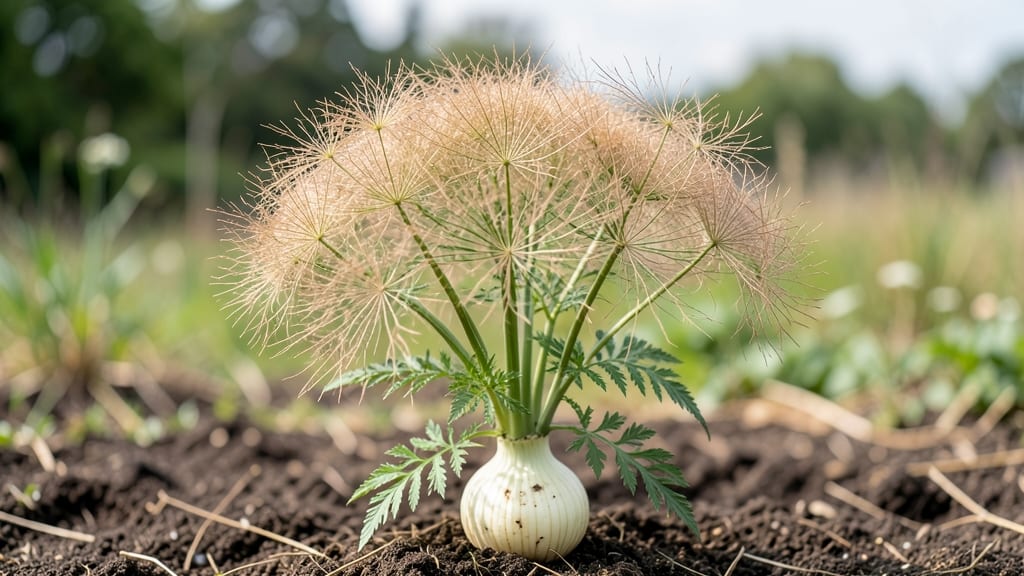
Fennel seed heads transform a garden's late-season fluff into a treasure trove of flavor and pollinator gold. 🌿 I've learned the hard way that timing and drying make all the difference—harvest too early and the seeds won't mature; dry them wrong and they lose viability.
The secret lies in watching those feathery plumes turn from green to golden-brown, then mastering the drying process to preserve seeds for planting next spring.
You'll need just three things: sharp scissors, brown paper bags, and patience. The real magic happens when you let nature do most of the work—hanging seed heads upside down in a dry, dark spot for 3-4 weeks until they rattle with seeds.
This method preserves viability for 2+ years, far longer than store-bought seeds. The dried seed heads also make stunning dried arrangements that smell like an Italian summer kitchen.
Once properly dried, you'll unlock two game-changers: fresh fennel seeds for cooking and a head start on next year's garden. The seeds add anise-like warmth to bread, sausages, and even cocktails, while the plants themselves attract beneficial insects all season.
My fennel patch now doubles as both a kitchen staple and a pollinator magnet.
Perfect for gardeners who want to extend their harvest season and reduce seed costs. Whether you're growing fennel for culinary uses or just love its lacy foliage, these seed heads deliver year-round value. Let's get those drying secrets working for you!
📚 In This Guide
- What you need
- Instructions
- Tips and common mistakes
- Wrapping up and next steps
What you need
- ● Fennel plants: 3–5 mature fennel plants (with fully developed seed heads). Choose varieties like Foeniculum vulgare for best results.
- ● Pruning shears or sharp scissors: To harvest seed heads cleanly without damaging the plant.
- ● Brown paper bags or breathable mesh bags: 1–2 per seed head (for drying). Avoid plastic to prevent moisture buildup.
- ● Drying rack or clean, dry surface: A well-ventilated area (like a porch or garage) with indirect sunlight.
- ● Small bowls or containers: For sorting and storing dried seeds.
- ● Seed winnowing tray or colander: To separate seeds from chaff effortlessly.
- ○ Food dehydrator (optional): For faster drying if humidity is high (set to 95°F/35°C).
- ● Labeling tags & permanent marker: To track seed varieties and harvest dates.
- ● Fine-mesh sieve: For sifting out debris before storage.
- ● Patience! Seed heads take 4–6 weeks to fully mature after flowering.
- ● A dry, warm climate (or controlled indoor drying space) to prevent mold.
- ● Access to a sunny spot for initial seed head development (6+ hours of sunlight daily).
Step-by-step guide to harvesting and drying fennel seed heads
Here's how to transform those feathery fennel blooms into viable seeds for next year's garden.
🌿 Step 1: Identify and Harvest Mature Seed Heads
Wait until the fennel's tiny yellow flowers have transformed into tan, papery seed heads. You'll know they're ready when the stems feel dry and brittle—just give them a little twist to confirm. I like to harvest on a dry morning when the dew has evaporated, as moisture can encourage mold during drying.
Use clean, sharp scissors to cut the entire seed head, leaving about 1 inch of stem attached. This extra stem helps support the head during drying. If you see any signs of pests or disease on the plant, skip that head—you want only the healthiest seeds for next season.
☀️ Step 2: Dry the Seed Heads Properly
Hang the fennel seed heads upside down in a well-ventilated, dry location with temperatures between 65-75°F. A dark, airy pantry or a covered porch works perfectly. Avoid direct sunlight, which can overheat the seeds and reduce their viability.
You'll see the seeds begin to release from the umbels (those feathery clusters) within 2-3 weeks. Give the heads a gentle shake every few days to encourage seed dispersal. If you notice any mold or musty smells, move the heads to a drier spot immediately—this is a sign they're not drying properly.
⏰ Step 3: Extract and Store the Seeds
Once the seed heads are completely dry and crumbly, place them in a paper bag and gently rub the umbels between your hands. The seeds will fall out while the feathery parts stay behind. I like to do this over a clean sheet of paper to make cleanup easier—just shake the paper to collect any lingering seeds.
Store the seeds in an airtight container, like a small glass jar, in a cool, dark place. They'll keep for 2-3 years if stored properly, though I always label them with the variety and harvest date. For best results, use them within the first year for the highest germination rates.
🌱 Step 4: Test Seed Viability (Optional)
If you're unsure about your seeds' viability, do a quick test before planting. Place 10 seeds between two damp paper towels in a sealed plastic bag. Keep them in a warm spot (70°F) and check daily. If 50% or more sprout within 10-14 days, your seeds are ready to plant.
This simple test gives you confidence before you invest time in growing. I always do this with seeds I've saved, especially if they've been stored for more than a year. It's a small effort that pays off in successful seedlings come springtime.
Tips & tricks for perfect fennel seed drying
A few simple strategies can make all the difference when transforming those delicate fennel blooms into high-quality seeds. Here's what I've learned from years of trial and error in my own garden.
Harvest Timing is Everything: The tan, papery transformation is your cue—but don't wait too long! Once the seed heads start turning brown and brittle, harvest within 24 hours. I've found that waiting too long makes the seeds harder to extract, and they may even start falling out on their own. The ideal time is when you can twist the stem and hear a slight crack, but the seeds haven't begun their natural dispersal yet.
Drying Location Secrets: While a dark pantry works well, I've discovered that a small fan on low speed (placed about 2 feet away) can cut the 2-3 week drying time by nearly half. The gentle airflow prevents mold while maintaining that perfect 65-75°F range. Just avoid direct drafts that could blow seeds around prematurely—you want controlled circulation, not a breeze.
Storage Wisdom: Those airtight containers are crucial, but here's the part nobody tells you: place a small packet of silica gel inside with your seeds. It absorbs any lingering moisture that could reduce germination rates over time. I also like to add a tiny piece of unbleached coffee filter paper to help absorb any potential moisture during the 2-3 year storage period.
Viability Test Shortcut: For the germination test, I've found that using a clear plastic bag instead of paper towels lets you see the sprouting progress without opening it. Just poke a few tiny holes for airflow and place it on a sunny windowsill—you'll get visual confirmation of those sprouts in just 7-10 days instead of waiting the full 14 days. It's like having a little greenhouse in your kitchen!
Pro Tips for Fennel Seed Heads
- A few simple strategies can make all the difference when transforming those delicate fennel blooms into high-quality ...
- Harvest Timing is Everything: The tan, papery transformation is your cue—but don't wait too long! Once the seed heads...
- Drying Location Secrets: While a dark pantry works well, I've discovered that a small fan on low speed (placed about ...
Frequently asked questions
Got questions about harvesting, drying, or storing fennel seed heads?
You’re not alone! Here are answers to the most common queries to help you master the process and keep your seeds viable all year.
How do I know when fennel seed heads are ready to harvest?
Fennel seed heads are ready when they turn a straw-like brown and the seeds rattle inside when gently shaken. Aim for late summer to early fall (typically 120–150 days after planting). Harvest on a dry, sunny day to avoid moisture issues.
Can I dry fennel seed heads indoors? What’s the best method?
Yes! Bundle 3–5 seed heads together and hang them upside down in a well-ventilated, dark, and dry space (like a pantry or garage). Avoid direct sunlight or heat sources—aim for 1–2 weeks of drying. For speed, use a dehydrator at 95°F (35°C) for 2–4 hours.
How long do dried fennel seeds stay good for storage?
Properly dried and stored fennel seeds last 1–2 years in an airtight container (glass jars or vacuum-sealed bags) in a cool, dark place. For longer shelf life, refrigerate or freeze them—viability drops after 2 years, but they’re still safe to use.
What do I do if my fennel seed heads mold or get pests?
Mold or pests (like weevils) mean your seeds are too damp or stored improperly. Discard contaminated batches immediately. To prevent issues, ensure seed heads are fully dry before storage and add a bay leaf or clove to deter pests in your storage container.
Are there alternatives if I can’t grow fennel for seeds?
If fresh fennel isn’t an option, buy organic fennel seeds from reputable garden centers or online (check for "non-GMO" labels). For culinary use, anise seeds or caraway seeds offer similar flavors—just adjust recipes accordingly!
Wrapping up and next steps
Fennel seed heads are a treasure trove of flavor and sustainability—once you master the drying process, you’ll enjoy fresh, homegrown seeds year-round! Whether you’re preserving for culinary use or sharing with fellow gardeners, your efforts will pay off in bold, aromatic rewards. 🌿
Ready to take the next step? Experiment with storage methods—try vacuum-sealing or glass jars to extend freshness—and don’t hesitate to share your tips with the gardening community. Happy harvesting!