
Propagation
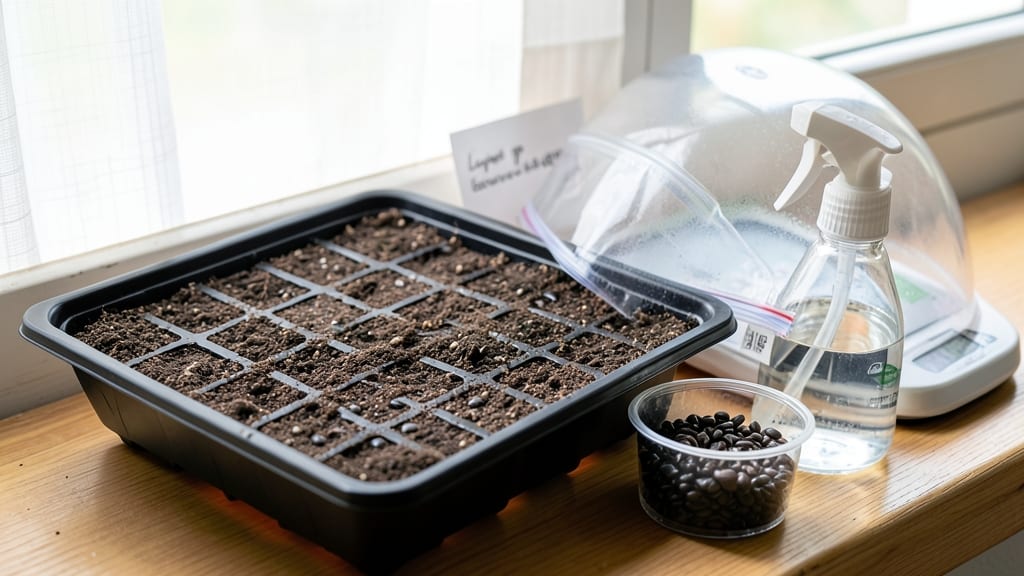
Unlocking lupine seed germination with just three weeks of cold-stratification turns stubborn, dry seed coats into eager sprouts—no more watching your neighbors' lupines pop up while yours stay stubbornly dormant.
I learned the hard way that skipping this step means weeks of waiting (or giving up entirely), but once you master it, germination happens fast and reliably. The key lies in mimicking winter's chill without freezing your seeds solid.
You'll need a simple setup: damp paper towels, a sealed plastic bag, and your fridge's crisper drawer. Plant the pre-chilled seeds just 1/4 inch deep in well-draining soil, keeping it consistently moist but never soggy.
Lupines hate sitting in wet pockets of soil—their roots need air almost as much as water. Most seeds push through the soil within 10-14 days after cold treatment, with a few stragglers appearing up to a month later.
What you end up with are sturdy seedlings that outpace anything from a nursery. Their first true leaves unfurl deep green and slightly fuzzy, a sure sign they're ready for transplanting. The real payoff?
Lupines self-seed aggressively once established, turning your garden into a blue-purple dream come true with minimal effort. For outdoor sowing, wait until your last frost date—lupines tolerate light frost but despise being transplanted after true leaves appear.
If starting indoors, use grow lights to prevent leggy seedlings, and harden them off for 7-10 days before moving to the garden. The secret weapon? Patience during those first three weeks of cold treatment—that's where the magic happens.
📚 In This Guide
- What you need
- Instructions
- Tips and common mistakes
- Wrapping up and next steps
What you need
- ● Lupine seeds: 10–20 fresh, high-quality seeds (ensure they’re not heat-treated—wild or organic seeds work best).
- ● Cold-stratification method (pick one): Refrigerator: A sealed plastic bag or container with a damp paper towel.
- ● Outdoor method: A breathable mesh bag or container buried in a shady, moist garden spot (if your climate permits).
- ● Moisture control: 1–2 paper towels or a dampened sphagnum moss pad (sterilized).
- ○ Optional: Spray bottle (for gentle misting).
- ● Storage: For refrigerator method: A ziplock bag or airtight container.
- ● For outdoor method: A breathable mesh bag or small pot.
- ● Planting supplies (post-stratification): 1–2 small pots (4–6 inches deep) with well-draining soil (e.g., cactus/succulent mix or 50% perlite).
- ○ Optional: Seed-starting trays with clear lids for humidity.
- ● Light source: A grow light or sunny windowsill (south-facing preferred).
- ● Humidity dome: Clear plastic wrap or a humidity tray to retain moisture during germination.
- ● Thermometer: To monitor temps (ideal range: 35–45°F (2–7°C) for stratification).
- ● Fungicide: A light spray (e.g., neem oil) to prevent mold if using outdoor stratification.
- ● Journal/notebook: To track seed progress and conditions!
How to germinate lupine seeds using cold stratification
Cold stratification mimics winter conditions—here’s how to break dormancy and get strong lupine seedlings in just three weeks.
Prepare Seeds for Stratification
Lupine seeds have a hard outer shell that requires cold, moist conditions to soften. Soak the seeds in lukewarm water for 12 hours to hydrate them fully. This step is critical—dormant seeds won’t germinate without it. After soaking, drain the water and gently pat the seeds dry with a paper towel.
Place the damp seeds in a sealed plastic bag with a damp paper towel. The towel should feel moist but not dripping. Squeeze out excess water first—too much moisture causes mold. Seal the bag tightly to trap humidity, then refrigerate for 8-12 weeks. This cold treatment mimics winter’s natural dormancy break.
Plant Stratified Seeds in Moisture-Retentive Soil
After stratification, fill small pots with a well-draining mix of 50% potting soil and 50% perlite. Lupine roots need airflow to prevent rot. Plant seeds ½ inch deep—any deeper delays germination as the seedling struggles to reach light. Space seeds 1-2 inches apart to avoid overcrowding later.
Water gently until the soil feels damp 1 inch down. Avoid soggy soil—lupines hate waterlogged conditions. Place pots in a warm spot (65-75°F) with indirect light. Germination typically takes 10-20 days, but some seeds may take longer. Patience is key—don’t disturb the soil while waiting.
Provide Light and Gradual Hardening
Once seedlings emerge, move them to bright, indirect light for 2 weeks. Direct sun at this stage can scorch tender leaves. After two weeks, introduce 4-6 hours of morning sun daily, increasing exposure gradually. Lupines thrive in full sun but need time to acclimate.
When seedlings reach 3-4 inches tall, begin hardening by placing them outside in a sheltered spot for 1-2 hours daily. Over 7-10 days, increase outdoor time until they can stay out overnight. This prepares them for transplanting after the last frost. Watch for yellowing leaves—this signals overwatering or too much sun.
Transplant Seedlings to Permanent Location
Choose a sunny spot with well-draining soil—lupines despise soggy roots. Dig holes twice as wide as the root ball but no deeper. Space plants 18-24 inches apart for mature growth. Handle seedlings gently to avoid root damage, and water deeply after planting to settle the soil.
Mulch around the base with 2 inches of organic mulch to retain moisture and suppress weeds. Lupines are drought-tolerant once established, but young plants need consistent watering. Reduce watering after 4-6 weeks to encourage deep root growth. Avoid fertilizing—lupines fix nitrogen naturally.
Tips & tricks for perfect lupine seed germination
Between us, the cold stratification process can feel like waiting for a slow-moving train—but these little tricks will help you get those lupine seeds sprouting like clockwork. The secret to success lies in the details, and I'm going to save you the headache I went through with my first batch.
Soaking Precision: That 12-hour soak isn't just a suggestion—it's non-negotiable for breaking the seed's hard shell. Use lukewarm water (around 75°F) and make sure every seed is fully submerged. I learned this the hard way after ruining three batches with uneven soaking. After draining, pat them dry thoroughly to prevent mold during the cold treatment. The seeds should feel damp but not wet when you handle them.
Stratification Storage: For the 8-12 week cold treatment, I recommend using a standard refrigerator (around 38-40°F) rather than a freezer. The seeds need consistent cold but not freezing temperatures. Place the sealed bag in the crisper drawer where it's darkest and most stable. Check on them every 2-3 weeks—if you see any condensation on the bag, open it briefly to let excess moisture escape and reseal.
Germination Lighting: When it's time to plant, those first 2 weeks of bright, indirect light are crucial. I use a simple fluorescent grow light about 6 inches above the pots, turned on for 12 hours daily. Natural light works too, but avoid direct sunlight at this stage—it can scorch the delicate seedlings. Watch for the first tiny leaves to emerge, which usually happens within 10-20 days after planting.
Pro Tips for Lupine Seed Germination
- Between us, the cold stratification process can feel like waiting for a slow-moving train—but these little tricks wil...
- Soaking Precision: That 12-hour soak isn't just a suggestion—it's non-negotiable for breaking the seed's hard shell. ...
- Stratification Storage: For the 8-12 week cold treatment, I recommend using a standard refrigerator (around 38-40°F) ...
Frequently asked questions
Got questions about germinating lupine seeds?
You’re not alone! Here are answers to the most common queries—from timing to troubleshooting—to help you achieve cold-stratified success in just 3 weeks.
How long does cold stratification take for lupine seeds?
Lupine seeds typically need 2–4 weeks of cold stratification (34–40°F) to break dormancy. For faster results (like our 3-week method), combine stratification with a moist paper towel or peat moss setup. Monitor for sprouts—some may emerge within 7–10 days!
Can I skip cold stratification and plant lupine seeds directly?
While possible, germination rates drop dramatically without stratification. Lupines rely on cold to soften their hard seed coats. If you’re impatient, try scarification (lightly sanding seeds) or soaking in warm water for 24 hours—but cold stratification remains the gold standard for reliability.
What’s the best soil mix for germinating lupine seeds?
Use a light, well-draining mix like:
- 50% peat moss or coco coir (for moisture retention)
- 30% perlite or vermiculite (for aeration)
- 20% sand or compost (for nutrients)
Why aren’t my lupine seeds sprouting after stratification?
Check these common culprits:
- Temperature shock: Seeds need consistent cold (34–40°F). Avoid fridge fluctuations.
- Dry seeds: Keep stratification medium damp (not drenched).
- Old seeds: Lupines lose viability after 2–3 years. Test freshness!
- Fungal issues: If mold appears, toss the batch and restart.
Are there alternatives to cold stratification for lupine seeds?
Yes! Try these backup methods (though stratification is still best):
- Heat treatment: Soak seeds in boiling water for 30 seconds, then cool.
- Acid scarification: Soak in sulfuric acid (for 5–10 mins)—wear gloves!
- Oven method: Bake seeds at 140°F for 20–30 mins to soften coats.
Wrapping up and next steps
Mastering lupine seed germination through cold stratification is totally doable—even in just three weeks! 🌱 With the right materials, patience, and a little moisture, you’ll watch those tiny seeds transform into vibrant sprouts.
Whether you’re a gardening newbie or a seasoned green thumb, this method opens the door to growing stunning, hardy lupines with ease.
Ready to take the next step? Plant those sprouted seeds outdoors once the last frost has passed, and enjoy the rewards of your hard work. Happy growing! 🌿