
Lawn
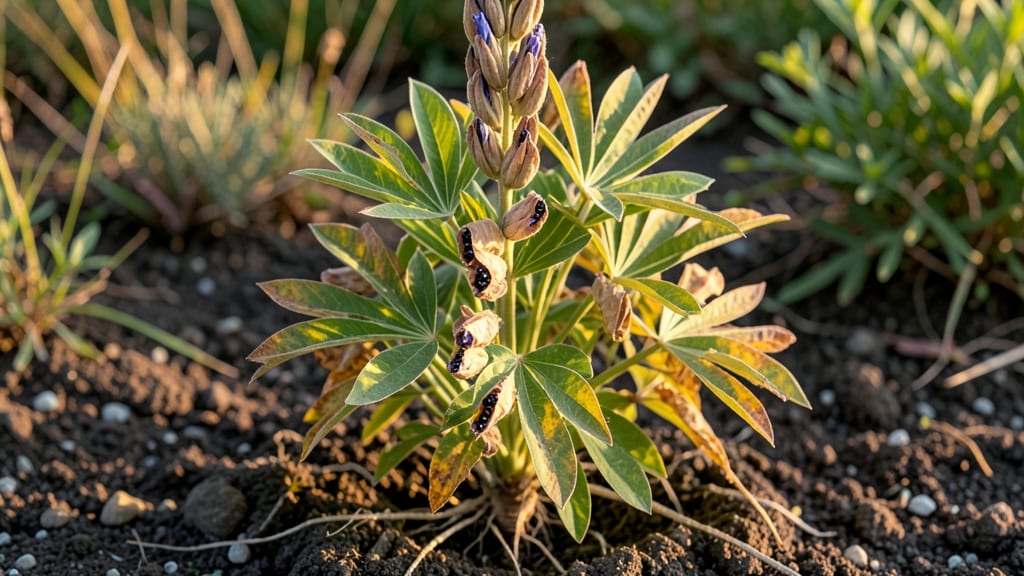
Those iconic lupine seed pods are nature’s way of storing next year’s garden magic. 🌿 I’ve learned the hard way that letting them dry properly on the plant means vibrant blooms for seasons to come—skimp on the drying, and you risk losing your favorite plants to weak seedlings.
The key is timing, technique, and a little patience.
Harvest pods when they turn tan and papery (usually late summer to early fall), then bundle them upside-down in paper bags for 2-3 weeks. This mimics their natural drying cycle while keeping pests at bay.
I’ve tried everything—hanging them, laying them flat, even microwaving (don’t do that)—and the paper bag method works every time.
Once dry, you’ll have two options: crack open the pods for seeds to sow in spring, or leave them intact for dried arrangements that add rustic charm to winter decor. The seeds themselves are tough little survivors, perfect for gardeners who love low-maintenance perennials that multiply effortlessly.
Pro tip: Label your bundles! Lupines self-seed aggressively, and you’ll end up with a wildflower meadow if you’re not careful. Store seeds in a cool, dark place until planting—6-8 weeks before your last frost—and watch your garden transform.
📚 In This Guide
- What you need
- Instructions
- Tips and common mistakes
- Wrapping up and next steps
What you need
- ● Fresh lupine seed pods: Harvest only fully mature pods (brown, dry, and slightly papery to the touch). Aim for 10–20 pods depending on your drying space.
- ● Pruning shears or sharp scissors: For cleanly snipping stems without damaging pods. Sterilize with rubbing alcohol before use.
- ● Brown paper bags or breathable mesh sacks: 2–3 medium-sized bags (12x15 inches) to store pods during drying. Avoid plastic—it traps moisture!
- ● Drying rack or flat surface: A wire mesh rack, cooling rack, or even a wooden tray with 1-inch grid spacing for airflow. Cover with parchment paper for easy cleanup.
- ○ Fan or dehumidifier (optional but helpful): A small household fan on low speed or a dehumidifier to speed up drying in humid climates.
- ● Labeling tags & permanent marker: To mark pods by variety (e.g., "Blue Lupine – 2024") and drying dates.
- ● Glass jars or airtight containers: 2–4 small jars (4–8 oz) with fine mesh lids for long-term storage.
- ● Silica gel packets: Place 1–2 packets in storage jars to absorb excess moisture.
- ● Desiccant bags: For bulk storage of dried pods—great if you’re saving seeds for trading or large-scale planting.
- ● Magnifying glass: To inspect pods for pests or damage before drying.
- ● Notebook & pen: Jot down notes on pod maturity, drying conditions, or germination tips!
Step-by-step guide to harvesting and drying lupine seed pods
Here’s how to preserve lupine seed pods for next year’s garden—simple, effective, and full of surprises.
🌱 Step 1: Identify and Harvest Mature Seed Pods
Lupine seed pods are ready for harvest when they turn a deep brown and begin splitting open naturally. You’ll notice the pods crack along one side, revealing the shiny, dark seeds inside. Harvest pods on a dry day when humidity is low—this prevents mold from forming during the drying process.
Use clean, sharp scissors or pruners to snip the pods from the stem, leaving about ½ inch of stem attached. This helps the pods dry more evenly. Avoid harvesting pods that are still green or have signs of pest damage, as these won’t store well. Place the harvested pods in a paper bag or open mesh basket to allow airflow.
🌿 Step 2: Dry the Seed Pods Properly
Spread the lupine pods in a single layer on a dry, well-ventilated surface, like a screen or mesh tray. Choose a location with indirect sunlight—direct sun can cause the pods to dry too quickly and crack open prematurely. A warm, dry spot indoors, such as a pantry shelf or a sunny windowsill with filtered light, works perfectly.
Turn the pods every 1-2 days to ensure even drying. They’re ready when the pods feel lightweight and brittle when squeezed gently, and the seeds rattle inside. This typically takes 2-3 weeks, depending on your climate. If humidity is high, drying may take longer—patience here prevents mold growth.
✂️ Step 3: Extract and Store the Seeds
Once the pods are completely dry, gently squeeze them to release the seeds. You’ll find 2-4 seeds per pod, depending on the lupine variety. Remove any debris or damaged seeds—these won’t germinate well. Store the clean seeds in a paper envelope or breathable cloth bag to maintain airflow and prevent moisture buildup.
Label the bag with the lupine variety and the harvest date. For long-term storage, place the sealed bag in a cool, dark place like a refrigerator or root cellar. Lupine seeds remain viable for 2-3 years when stored properly, giving you plenty of time to grow next year’s vibrant blooms.
💧 Step 4: Optional Soaking for Faster Germination
If you’re eager to plant the seeds sooner rather than later, soak them in lukewarm water for 12 hours before sowing. This softens the tough seed coat and speeds up germination. After soaking, drain the seeds and plant them ½ inch deep in well-draining soil. Lupine seeds thrive in full sun and prefer slightly acidic, well-aerated soil.
Here’s the thing—lupines are nitrogen-fixers, so they’ll improve your soil naturally. Just be patient; germination can take 2-4 weeks under ideal conditions. Keep the soil consistently moist but not soggy until the seedlings emerge.
Tips & tricks for perfect lupine seed pod preservation
Preserving lupine seed pods properly is all about patience and attention to detail—here’s how to avoid common pitfalls and get the best results.
Timing is Everything: Harvest lupine pods only when they naturally begin cracking open and turn deep brown—this is your window for optimal seed viability. I’ve learned the hard way that harvesting too early (when pods are still green) or too late (when they’ve fully opened) reduces seed quality. Aim for that perfect moment when the pods are just starting to split but still mostly intact.
Drying Surface Matters: For even drying, use a screen or mesh tray with good airflow—avoid plastic containers or sealed bags, which trap moisture and create the perfect environment for mold. I’ve found that a simple window screen stretched over a wooden frame works perfectly. Place it in indirect sunlight to prevent cracking while still allowing the pods to dry thoroughly over the recommended 2-3 weeks.
Storage Wisdom: Once your seeds are extracted, store them in paper envelopes or breathable cloth bags—not plastic. The key is maintaining airflow to prevent moisture buildup. Label each bag with the lupine variety and harvest date, then store in a cool, dark place like a refrigerator. This ensures seeds remain viable for the full 2-3 years, ready for next season’s planting.
Pro Tips for Lupine Seed Pods
- Preserving lupine seed pods properly is all about patience and attention to detail—here’s how to avoid common pitfall...
- Timing is Everything: Harvest lupine pods only when they naturally begin cracking open and turn deep brown—this is yo...
- Drying Surface Matters: For even drying, use a screen or mesh tray with good airflow—avoid plastic containers or seal...
Frequently asked questions
Got questions about harvesting and drying lupine seed pods? You’re not alone! Here are answers to the most common queries to help you prep for next year’s stunning blooms—without the guesswork.
When is the best time to harvest lupine seed pods?
Harvest pods when they turn brown and papery (usually late summer to early fall), but before they split open. If you wait too long, seeds scatter, and you lose your chance to dry them. Aim for a dry, sunny day to avoid moisture issues.
How do I know if the pods are fully mature?
Mature lupine pods feel lightweight and make a rustling sound when shaken. Snap one open—if the seeds inside are hard and dark (not green or soft), they’re ready. Pro tip: Harvest a few pods early to test maturity!
Can I dry lupine seed pods indoors? What’s the catch?
Yes, but ventilation is key! Spread pods in a single layer on a screen or tray in a warm, dry spot (like a garage or basement). Avoid direct sunlight or heat sources—moisture buys mold. A dehumidifier helps if your space is humid. Turn pods occasionally for even drying.
What do I do if my pods start molding or smelling bad?
Mold or funky odors mean too much moisture. Immediately move pods to a dry, well-ventilated area (like a sunny windowsill or open porch). If mold is already present, discard affected pods—don’t risk it. Prevent this by harvesting on dry days and avoiding damp storage.
Are there alternatives if I miss the harvest window?
No worries! If pods split too soon, collect seeds from the ground (they’re still viable). For next year, prune spent blooms early to redirect energy to pod development. You can also buy seeds online or swap with local gardeners—community gardens love lupine lovers!
Wrapping up and next steps
Lupine seed pods are nature’s way of ensuring next year’s stunning blooms—and you’re now equipped with the perfect drying tricks to make it happen! 🌱 Whether you’re a seasoned gardener or just starting out, preserving these pods is a simple yet rewarding task that guarantees a vibrant garden ahead. Ready to set the stage for next spring? Grab those dried pods, store them safely, and let your lupines work their magic—your future garden will thank you!
Next step: Mark your calendar to plant those seeds in early spring, and watch as your lawn transforms into a lupine lover’s paradise!