
Propagation
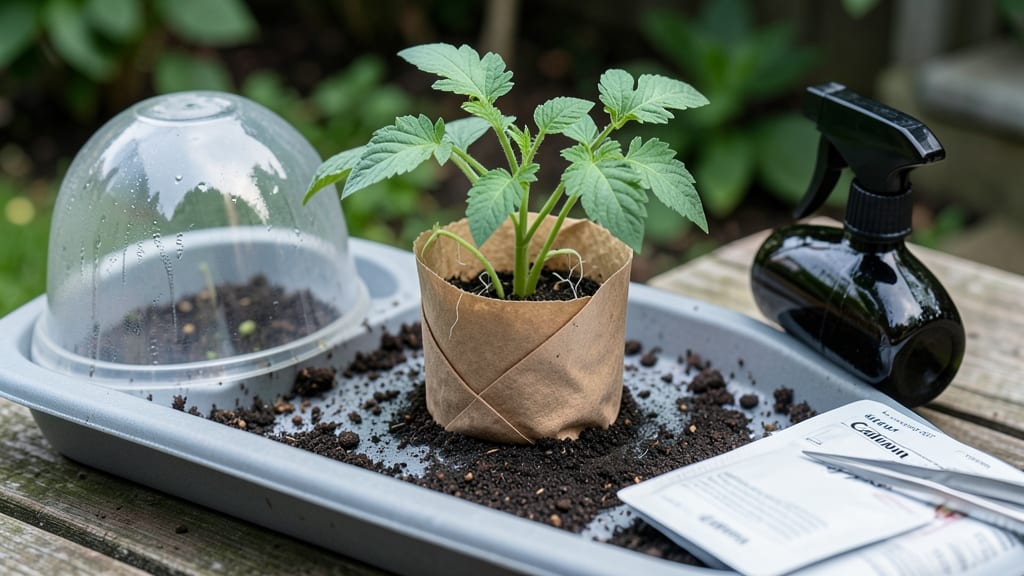
Paper towel seed starting cuts germination time in half—no fancy equipment needed. 🌱 I discovered this method after struggling with slow starts in my cold climate, and it’s now my go-to for fast, reliable sprouts.
The secret lies in consistent moisture and warmth, which paper towels provide perfectly without the hassle of trays or soil.
You only need three things: a roll of paper towels, a resealable plastic bag, and your seeds. Fold the towel into a square, place seeds evenly spaced, mist with water until damp (not soaking), then fold again.
Pop it in the bag, seal it, and watch those roots appear in days instead of weeks. This method works especially well for tiny seeds like lettuce, herbs, or flowers that need a head start.
The payoff is immediate—seedlings emerge with strong roots and vibrant leaves, ready to transplant in just 7-10 days. No more waiting weeks for slow starters, and you skip the risk of damping-off that plagues soil-based methods. Plus, it’s zero-waste: just compost the used towel after transferring seedlings.
This technique shines for early starts in cold zones or small spaces where trays aren’t practical. Once roots reach ¼ inch, gently transfer them to soil—no shock, just growth. Perfect for beginners or anyone tired of waiting for seeds to wake up.
📚 In This Guide
- What you need
- Instructions
- Tips and common mistakes
- Wrapping up and next steps
What you need
- ● Paper towels (unbleached, seedling-safe): 2-3 sheets per batch (thicker towels like Viva or Bounty work best).
- ● Seeds: Choose fast-sprouting varieties like basil, lettuce, or herbs (avoid large seeds like beans—they need more space). Aim for 10-20 seeds per towel.
- ● Spray bottle (16 oz): For gentle, even moisture—no soaking! Look for a fine-mist nozzle.
- ● Plastic bag (quart-sized, resealable): Or a clear container with a lid to create humidity.
- ○ Scissors or knife: To trim towels to size (optional but handy).
- ● Small plate or tray: To hold the folded towel while sprouting.
- ● Seedling heat mat: Speeds up germination for cool-weather crops (set to 70–75°F).
- ● Grow lights (LED or fluorescent): 12–16 hours of light/day once sprouts emerge.
- ● Planting pots (2–3 inch cells): For transplanting seedlings after 1–2 weeks.
- ● Label markers & sticks: To track seed types (especially useful for beginners!).
- ● Compost or potting mix: For transferring seedlings to soil (if not direct-sowing).
Step-by-Step instructions for paper towel seed starting
This method gives you a head start on germination—no soil, no mess, just speed and simplicity.
🌱 Step 1: Prep Your Seeds and Paper Towels
Start with a clean, lint-free paper towel—no patterns or inks that could leach into the water. Fold it into a rectangle about 12 inches by 12 inches and place it in a shallow dish or seed tray. Spritz the towel lightly with warm water until it’s damp but not dripping. You want it to hold moisture without being soggy.
Arrange your seeds in a single row or small clusters across the towel, spacing them about 1 inch apart. I like to use a toothpick to gently press each seed into the towel—this keeps them from sliding around when I fold the towel later. If your seeds are tiny, like basil or lettuce, group them in threes or fours to make them easier to handle.
💧 Step 2: Fold and Seal for Germination
Fold the damp paper towel over the seeds like a sandwich, pressing gently to create a snug wrap. Place the folded towel in a resealable plastic bag—this traps humidity and keeps the environment consistently moist. I use a quart-sized bag for 4-6 seeds to avoid overcrowding.
Seal the bag loosely—you want air circulation, but not enough to dry out the towel. Place the bag in a warm, dark spot, like on top of your fridge or inside a closed cabinet. Check it daily and mist the towel with warm water if it feels dry to the touch. Germination should start in 3-7 days, depending on the seed type.
☀️ Step 3: Monitor and Transplant When Ready
Once you see tiny sprouts with white roots and green leaves, it’s time to move them to soil. Unfold the towel carefully and place each seedling on top of moistened potting mix in its own small pot or cell tray. Gently press the soil around the roots to secure them—don’t bury the seed leaves, just cover the roots lightly.
Keep the soil moist but not soggy for the first 3-5 days after transplanting. You’ll notice the seedlings adjust quickly, with new growth appearing within a week. This is the moment that matters: paper towel starting gives you a strong, disease-free head start that outperforms sluggish soil germination.
✂️ Step 4: Harden Off and Prepare for Outdoor Life
After 7-10 days in soil, your seedlings are ready for the next phase. Start hardening them off by placing them outside in a shaded spot for 1-2 hours the first day. Gradually increase their outdoor time over 5-7 days, moving them to brighter light and wind exposure each day.
Watch for signs of stress—wilting or yellowing leaves mean they’re not ready yet. Once they’re thriving outdoors, transplant them into their final growing spot. The key here is patience: rushing the process can shock the seedlings, but taking it slow ensures they’ll grow into robust, healthy plants.
Tips & tricks for perfect paper towel seed starting
Here's how to avoid common pitfalls and get the fastest, healthiest sprouts every time.
Moisture Balance: The damp-but-not-soggy towel is everything. I learned this the hard way after watching seeds rot in too-wet towels. After spritzing, press the towel between paper towels to remove excess water. You want it to feel like a wrung-out sponge—not dripping, but still holding moisture. This prevents mold while keeping seeds hydrated.
Seed Spacing Secret: That 1-inch spacing between seeds (or grouped threes/fours for tiny seeds) isn't arbitrary—it prevents overcrowding when roots develop. In Step 1, I press seeds gently with a toothpick to keep them from sliding during the fold. For seeds like marigolds or sunflowers, give them extra space since they'll grow larger roots.
Germination Timing: The 3-7 day range in Step 2 depends on seed type, but here's the pro move: place a small piece of clear tape near your bag with the date and seed type. This creates a visual record so you don't forget which seeds you started when. Fast germinators like radishes may sprout in 3 days, while slower ones like tomatoes might take the full week.
Transplant Timing: Wait until you see both white roots AND green leaves before transplanting in Step 3. I check daily after day 3—if roots are 1/4 inch long but no leaves yet, wait another day. Rushing this step means fragile seedlings that struggle in soil. The roots should be strong enough to support the plant when it hits real dirt.
Pro Tips for Paper Towel Seed Starting
- Here's how to avoid common pitfalls and get the fastest, healthiest sprouts every time.
- Moisture Balance: The damp-but-not-soggy towel is everything. I learned this the hard way after watching seeds rot in...
- Seed Spacing Secret: That 1-inch spacing between seeds (or grouped threes/fours for tiny seeds) isn't arbitrary—it pr...
Frequently asked questions
Got questions about paper towel seed starting? You’re not alone—this method is simple but has a few quirks! Below, we’ve answered the most common questions to help you grow with confidence.
Why use paper towels instead of soil for seed starting?
Paper towels create a humid, sterile environment that speeds up germination by keeping seeds consistently moist without the risk of damping-off (a fungal disease). They’re also zero-waste if composted later, and you can monitor sprouts easily through the towel!
How long does it take for seeds to sprout in paper towels?
Germination time varies by seed type, but most sprouts appear in 3–14 days. Fast germinators like basil or radishes may pop up in 3–5 days, while slower ones (e.g., tomatoes or peppers) could take 10–14 days. Keep towels damp and in a warm spot (70–85°F) for best results!
Can I reuse paper towels for seed starting?
No—never reuse paper towels for sprouting. Old towels may harbor bacteria or mold, slowing growth or killing seeds. Plus, they lose absorbency. Stick to fresh, unbleached towels for hygiene and efficiency!
What do I do if my seeds rot or mold in the paper towel?
If seeds turn mushy, smell foul, or develop fuzzy mold, act fast! Discard the towels and seeds immediately. To prevent this, avoid overwatering—mist lightly (not soaking) and use a well-ventilated container (like a ziplock with holes). Try again with fresh towels and better airflow!
How do I transition sprouts from paper towels to soil?
Once sprouts have 1–2 true leaves (not just the initial seed leaves), gently tease them apart from the towel. Plant them 1/4 inch deep in moist soil, keeping the root ball intact. Water lightly and place in indirect sunlight for a week to reduce transplant shock!
Wrapping up and next steps
Starting seeds in paper towels is a game-changer for gardeners—it’s eco-friendly, budget-friendly, and super efficient! 🌱 You’ll love how quickly your seedlings sprout and thrive with minimal fuss, all while reducing waste. Whether you’re a seasoned gardener or just starting out, this method makes growing greens effortless and rewarding.
Ready to take the next step? Once your seedlings are ready, transplant them into soil or continue nurturing them in a cozy grow tray. Happy growing—your future harvest is just sprouts away! 🌿