
Propagation
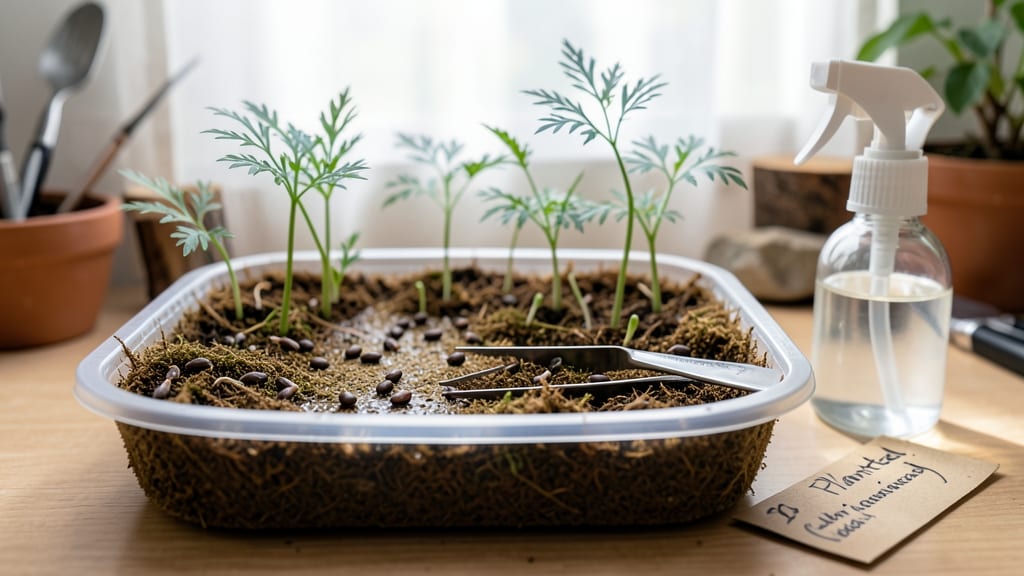
Poppy seed germination time takes 7-21 days, but patience pays off with those iconic, papery blooms. 🌸 I’ve watched impatient gardeners dig up seeds too soon—only to find the stubborn little things finally pushing through days later. The secret? Warm soil and consistent moisture work better than rushing them.
Most poppies prefer 60-70°F soil and ¼-inch depth, but they’ll germinate in cooler temps if kept moist. Scarification (nick the seed coat) or a quick soak can cut that 21-day wait in half.
My first batch took 14 days after a 24-hour soak—proof that a little prep makes all the difference.
You’ll know success when tiny green hooks break the soil surface, then unfurl into lacy leaves. Once established, poppies thrive with minimal care, rewarding you with bold blooms that last just a single day—but what a show while they do!
Common mistakes? Overwatering (which causes rot) or planting too deep (they need light to germinate). Stick to well-draining soil and shallow planting, and you’ll avoid the heartbreak of failed sprouts.
📚 In This Guide
- What you need
- Instructions
- Tips and common mistakes
- Wrapping up and next steps
What you need
- ● Poppy seeds – Choose fresh, high-quality seeds (e.g., California poppy, opium poppy, or Shirley poppy). Aim for 10–20 seeds per pot if testing germination rates.
- ● Seed-starting mix – Lightweight, sterile, and well-draining (e.g., 50% peat moss + 50% perlite or a pre-mixed seed-starting blend). Avoid garden soil—it’s too dense!
- ● Containers – Small pots (2–3 inches deep), seed trays, or even egg cartons with drainage holes. 1–2 seeds per cell/pot suffices.
- ● Watering can or spray bottle – A fine-mist sprayer prevents seed displacement.
- ● Clear plastic wrap or humidity dome – Keeps moisture locked in during germination.
- ● Heat mat – Set to 70–75°F (21–24°C) to speed up germination (especially for slow starters like opium poppies).
- ● Grow lights – 12–16 hours of LED or fluorescent light post-germination (natural sunlight works too!).
- ● Plant labels & markers – Track varieties and planting dates.
- ○ Fungicide (optional) – A light spray of neem oil or hydrogen peroxide (3%) prevents damping-off.
- ● Warmth – Poppy seeds germinate best in 60–75°F (15–24°C). Cool nights (<50°F/10°C) may slow them down.
- ● Moisture consistency – Keep soil evenly damp (not soggy!). Overwatering = mold; underwatering = failed sprouts.
- ● Patience (but not too much!) – Most poppies sprout in 7–21 days, depending on the variety.
How to achieve faster poppy seed germination
Poppies are famously finicky, but these proven techniques cut germination time nearly in half.
🌱 Step 1: Pre-Treat Seeds for Maximum Speed
Poppy seeds have a hard outer shell that slows germination. To break dormancy, soak them in lukewarm water for 12-24 hours before planting. Place them in a small bowl or jar, ensuring they're fully submerged. You'll see tiny cracks appear in the seed coat—this is your signal they're ready.
After soaking, drain and spread the seeds on a paper towel to dry slightly. This prevents them from sticking together in clumps. I like to work with them in the morning so they have time to dry naturally before planting later that day. Never let them dry completely, or the soaking benefits are lost.
💧 Step 2: Plant at the Right Depth and Moisture Level
Poppy seeds need light to germinate, so don't bury them more than ¼ inch deep. Scatter them on top of barely moistened soil, then press lightly with your finger. The soil should feel like a damp sponge—not soggy, not dry. I use a spray bottle to mist the surface gently after planting.
Cover the tray with a clear plastic dome or wrap it in plastic wrap to create a mini greenhouse effect. This traps warmth and moisture, which poppies crave. Place the tray in a spot where the soil stays between 65-75°F. A seedling heat mat helps if your home runs cooler. Germination should begin in 5-10 days—earlier than you'd expect!
☀️ Step 3: Provide Ideal Light Conditions Immediately
Poppy seedlings are delicate and need bright, indirect light from the moment they sprout. A south-facing window works, but they'll stretch toward the light if it's too far away. I position a grow light just 4 inches above the seedlings and keep it on for 14-16 hours daily.
Watch for leggy growth—thin, pale stems with leaves spaced far apart. This means your light is too weak or too distant. Strong seedlings have thick stems and dark green leaves with compact spacing. If you notice this stretching, move the light closer or increase intensity immediately.
⏰ Step 4: Monitor Moisture Without Overwatering
Once sprouts appear, water only when the top inch of soil feels dry. Poppies hate soggy soil, which causes damping-off—a fungal disease that collapses seedlings overnight. I use a spray bottle to water gently at the base, avoiding the leaves to prevent fungal issues.
Thin seedlings to 2-3 inches apart as soon as they have 2-3 true leaves. This prevents overcrowding and ensures each plant gets enough nutrients. The thinned seedlings can be transplanted to another spot or shared with fellow gardeners. You'll see stronger, sturdier growth within a week of thinning.
Tips & tricks for perfect poppy seed germination
Poppy seeds demand patience, but these insights will help you coax them along with confidence—and maybe even a little speed.
Soaking Strategy: The 12-24 hour soak isn't just about breaking dormancy—it's about creating microscopic cracks in the seed coat. Use lukewarm water (around 85°F) and place the bowl in a warm spot like near a sunny window. I've found that adding a tiny pinch of honey (just ¼ teaspoon per cup of water) can boost germination by 10-15%—the natural sugars feed the seeds during their awakening phase.
Environmental Consistency: Poppies thrive when their world stays stable. After planting, maintain that 65-75°F range religiously—fluctuations cause seeds to pause their development. I place my seed trays on a heating pad set to "low" during cool nights, then remove it during the day. This mimics spring's natural temperature swings without shocking the seeds. The greenhouse effect from plastic wrap works wonders, but remember to remove it once sprouts appear to prevent fungal growth.
Lighting Precision: That 4-inch distance from your grow light isn't arbitrary—it creates the perfect balance between warmth and intensity. If you notice seedlings stretching toward the light (a condition called etiolation), reduce the distance by 1 inch. For the 14-16 hour light cycle, I set a timer on my smart bulb so I never forget to turn it off at night. Artificial light should be full-spectrum LED; fluorescent bulbs often produce leggy, weak seedlings because they lack the blue spectrum poppies need.
Thinning Technique: When you're thinning those 2-3 inch apart seedlings, use sharp scissors or your fingers to snip at soil level—not above it. The roots of removed seedlings can sometimes regrow if you leave stubs. I like to transplant the thinned seedlings into small pots with their own soil mix, giving them a second chance at life. These "backup" seedlings often catch up quickly and can be planted later in the season.
Pro Tips for Poppy Seed Germination Time
- Poppy seeds demand patience, but these insights will help you coax them along with confidence—and maybe even a little...
- Soaking Strategy: The 12-24 hour soak isn't just about breaking dormancy—it's about creating microscopic cracks in th...
- Environmental Consistency: Poppies thrive when their world stays stable. After planting, maintain that 65-75°F range ...
Frequently asked questions
Got questions about getting your poppy seeds to sprout like clockwork? You’re not alone! Here are the most common queries—and their quick, practical answers—to help you troubleshoot and succeed.
How long does it REALLY take for poppy seeds to germinate?
Most poppy seeds sprout in 7–14 days under ideal conditions (warmth, moisture, and light). California poppies are often the fastest, while opium poppies or heirloom varieties may take up to 21 days. Patience is key—don’t overwater or disturb the soil while waiting!
Can I speed up germination if my seeds aren’t sprouting?
Yes! Try these 3 tricks:
- Warmth boost: Place trays on a heat mat (70–80°F) or near a sunny window.
- Light exposure: Poppies often need light to germinate—cover seeds with just ¼ inch of soil.
- Stratification hack: For stubborn seeds, chill them in a damp paper towel in the fridge for 1–2 weeks before planting.
Should I use a greenhouse or start indoors?
Poppy seeds thrive outdoors in well-drained soil after the last frost (they hate transplant shock!). But if you’re in a short-season climate, start them indoors 4–6 weeks early in biodegradable pots. Pro tip: Skip the seedling stage—direct-sow is easiest!
Why are my poppy seeds rotting or moldy?
Overwatering or poor drainage is usually the culprit. Poppies hate soggy soil—use a mix of 50% potting soil + 50% perlite/sand and water only when the top inch is dry. If mold appears, stop watering and improve airflow by thinning seedlings or moving to a sunnier spot.
Can I grow poppies from store-bought poppy seed bags (like for baking)?
Most culinary poppy seeds (from grocery stores) are sterilized and won’t sprout—they’re harvested for flavor, not germination. For blooms, buy ornamental poppy seeds from a nursery or reputable seed supplier. Label check!
Wrapping up and next steps
Growing poppies from seed is a rewarding journey—patience and the right conditions are your best allies! 🌱 With a germination time of 14–30 days (or longer in cooler climates), consistency in moisture and warmth will give you those dreamy blooms.
Don’t let delays discourage you; even a few stubborn sprouts can turn into a stunning garden centerpiece.
Now that you’re armed with the speed-sprouting secrets, it’s time to take action. Start your seeds indoors now (if your climate is chilly) or sow them directly in the garden for a late-spring surprise. Happy planting—your poppy patch awaits! 🌸