
Lawn
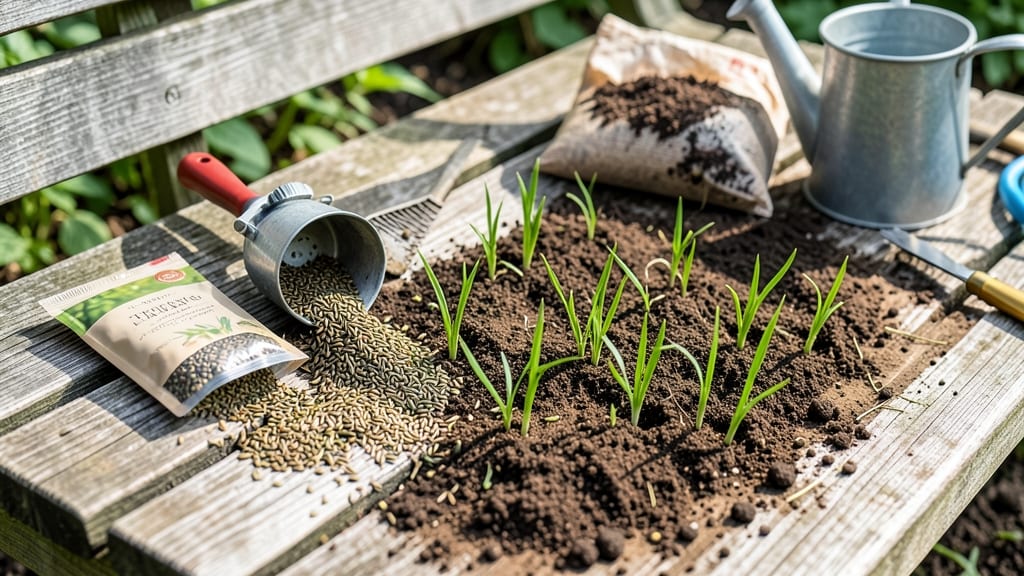
Fall is the secret weapon for a lawn that looks like a golf course by spring. 🌱 When you reseed grass in fall, cooler temperatures and consistent moisture create the perfect conditions for seeds to germinate and establish deep roots before winter—something spring planting just can’t match.
The process starts with prepping your soil: till or loosen the top 2-3 inches, remove debris, and rake smooth. Then choose the right seed for your climate—cool-season grasses like Kentucky bluegrass or fescue thrive in fall’s mild weather.
Spread seed evenly (about 1-2 pounds per 100 sq ft) and lightly cover with soil or compost.
Within 2-3 weeks, you’ll see sprouts pushing through the soil, and by late fall, those roots will be strong enough to survive winter. The result?
A thick, lush lawn that outcompetes weeds and handles summer heat like a pro. No more patchy spots or bare dirt staring back at you.
This method works for both beginners and seasoned gardeners—just avoid common mistakes like overseeding too late (aim for 4-6 weeks before first frost) or skipping soil prep. With the right timing and care, your lawn will thank you for years to come.
📚 In This Guide
- What you need
- Instructions
- Tips and common mistakes
- Wrapping up and next steps
What you need
- ● Seed: Cool-season grass seed (e.g., Kentucky bluegrass, fescue, or ryegrass). Quantity: 4–8 lbs per 1,000 sq ft (check seed bag for exact coverage).
- ● Lawn fertilizer: Fall-specific blend (high in phosphorus, moderate nitrogen). Quantity: Follow label rates (typically 0.5–1 lb of nitrogen per 1,000 sq ft).
- ● Soil amendment: Compost or peat moss (for thin soil). Quantity: 1–2 inches spread evenly.
- ● Rake: Bow rake or dethatcher (for loosening soil and removing debris).
- ● Broadcast spreader: Manual or rotary (for even seed distribution).
- ● Water source: Hose with adjustable nozzle or sprinkler (for consistent moisture).
- ● Straw or mulch: Straw (not hay) (to protect seeds from birds/wind). Quantity: Light layer (¼ inch) after seeding.
- ● Soil test kit: To check pH/nutrient levels before seeding.
- ● Pre-emergent herbicide: If weeds are a problem (apply before seeding).
- ● Lawn roller: Lightweight (to press seed into soil).
- ● Seed tape or grid: For precise planting in large areas.
- ● Bird netting: To deter seed-eating critters.
Step-by-Step instructions for reseeding grass in fall
Fall’s mild weather and frequent rains create perfect conditions for grass roots to establish before winter.
🌱 Step 1: Prepare the Soil for Optimal Seed Contact
Start by mowing your lawn as short as possible—about ½ inch high—to expose bare soil where seeds will land. Use a rake to gently loosen the top ¼ inch of soil, breaking up any compacted areas. This creates a soft bed for seeds to nestle into without being buried too deeply.
I like to work in small sections—about 3 feet by 3 feet at a time—so I don’t lose track of where I’ve already raked. If your lawn has thick thatch (that spongy layer between soil and grass), aerate lightly with a core aerator to punch small holes. This lets seeds make direct contact with soil, which is critical for germination.
💧 Step 2: Spread Seed Evenly for Uniform Growth
Use a broadcast spreader set to the recommended rate on your seed packet—usually ½ to 1 pound per 100 square feet for most cool-season grasses. Walk slowly in overlapping passes to avoid missed spots. For larger areas, divide the lawn into sections and label them to track progress.
Lightly rake the area again after spreading to press seeds into the soil without burying them. A thin layer of soil or compost (about ⅛ inch deep) helps retain moisture while keeping seeds exposed to light. Water immediately after—this prevents seeds from drying out before they germinate.
☀️ Step 3: Water Consistently to Encourage Germination
Keep the soil evenly moist for the first 2-3 weeks, watering lightly twice daily (morning and evening) if rainfall is minimal. You’ll know you’re doing it right when the top ½ inch of soil stays damp but not soggy. Overwatering can wash seeds away or cause rot, while underwatering leaves them high and dry.
Once seedlings reach 2 inches tall, reduce watering to once daily and gradually taper off as roots establish. Fall’s cooler temps mean less evaporation, so you won’t need to water as frequently as in spring or summer. Watch for dark green blades—that’s your signal the grass is thriving.
✂️ Step 4: Maintain and Protect New Growth
Avoid mowing until new grass reaches 3-4 inches tall, which usually takes 4-6 weeks. When you do mow, set the blade to 3 inches high to prevent scalping. This encourages deeper root growth before winter dormancy sets in.
If birds or squirrels start pecking at the seeds, cover the area with lightweight netting until germination is complete. Fall pests are less aggressive than in spring, but a little protection goes a long way. Once the new grass is established, you’ll see a lush, uniform lawn that outlasts summer heat.
Tips & tricks for perfect fall grass reseeding
Fall's cooler weather and natural rainfall make this the ideal time to transform your lawn—here's how to maximize success.
Soil Prep Secret: In Step 1, don't just mow short—remove any dead grass clumps first. These can smother seeds and prevent proper soil contact. I use a stiff-bristled lawn rake to pull out debris before loosening the soil. This creates that perfect seed bed where every seed has a chance to make direct contact with moisture.
Seed Distribution Strategy: For Step 2, walk in a crisscross pattern when using your broadcast spreader. This ensures even coverage without over-saturating any one area. I mark my lawn with spray paint in 3-foot sections to track progress—it's shocking how many missed spots you'll catch this way. The goal is uniform coverage where every square inch gets the same chance to grow.
Watering Wisdom: During the critical 2-3 week germination period in Step 3, use a gentle rain setting on your sprinkler to avoid dislodging seeds. I test soil moisture by squeezing a handful—it should hold together but not be sticky. Morning watering is best as it gives seeds time to absorb moisture before evening evaporation. A light mist twice daily works better than deep soakings that can wash seeds away.
Protective Measures: In Step 4, if you notice birds pecking at seeds, cover the area with lightweight chicken wire instead of netting. It's more durable and lets you walk on it to check progress. I've also found that sprinkling a thin layer of compost over seeds after watering helps retain moisture while deterring pests naturally.
Pro Tips for Reseed Grass In Fall
- Fall's cooler weather and natural rainfall make this the ideal time to transform your lawn—here's how to maximize suc...
- Soil Prep Secret: In Step 1, don't just mow short—remove any dead grass clumps first. These can smother seeds and pre...
- Seed Distribution Strategy: For Step 2, walk in a crisscross pattern when using your broadcast spreader. This ensures...
Frequently asked questions
Got questions about reviving your lawn with fall reseeding? You’re not alone! Here are answers to the most common concerns—so you can tackle your project with confidence.
Why is fall the best time to reseed grass?
Fall is ideal because cool-season grasses (like fescue, ryegrass, and bluegrass) grow best when temperatures dip between 60°F–75°F. Cooler air reduces weed competition, and shorter daylight hours encourage deep root growth before winter. Plus, spring brings faster germination—so you’ll see results sooner!
How long does it take for new grass to grow after reseeding?
Germination time varies by grass type:
- Ryegrass: 5–14 days (fastest option!)
- Fescue: 14–21 days
- Bluegrass: 2–4 weeks
Full establishment (thick, mature lawn) takes 3–4 months. Be patient—consistent watering (see next question!) is key.
How often should I water newly seeded grass?
Keep the soil consistently moist (like a damp sponge) for the first 2–3 weeks. Water lightly 2x daily (morning/evening) to avoid washing seeds away. Once sprouts appear, reduce to 1 inch per week. A sprinkler with a gentle mist setting works best.
Can I reseed over existing grass, or do I need to till first?
It depends! For thin or patchy lawns, simply rake or dethatch to loosen soil and expose bare spots. For dense, weedy, or compacted turf, tilling (2–3 inches deep) removes old grass and prep soil better. Pro tip: Aerate first if your lawn feels spongy—it helps seeds reach the roots!
What if my new grass turns brown or dies after seeding?
Don’t panic! Brown patches can mean:
- Underwatering: Soil too dry? Water immediately and adjust frequency.
- Overwatering: Soggy soil suffocates seeds—let the top inch dry slightly between waterings.
- Frost or weeds: Lightly rake away debris and wait for warmer temps.
- Poor seed contact: Reseed lightly and press down with a lawn roller.
If seeds didn’t sprout after 3–4 weeks, try reseeding in early spring instead.
Wrapping up and next steps
Fall is the perfect time to reseed your grass—cool temperatures and steady rain create ideal conditions for thick, vibrant roots before winter sets in. By following these steps, you’ll set your lawn up for a lush, resilient spring and fewer weeds next season.
Ready to transform your yard? Grab your supplies, roll up your sleeves, and start small—even a single patch of new grass is a win!
🌱 Next step: Mark your calendar for early fall (late August to early October) and begin with a test patch to refine your technique. Your future lawn will thank you! 🌿