
Lawn
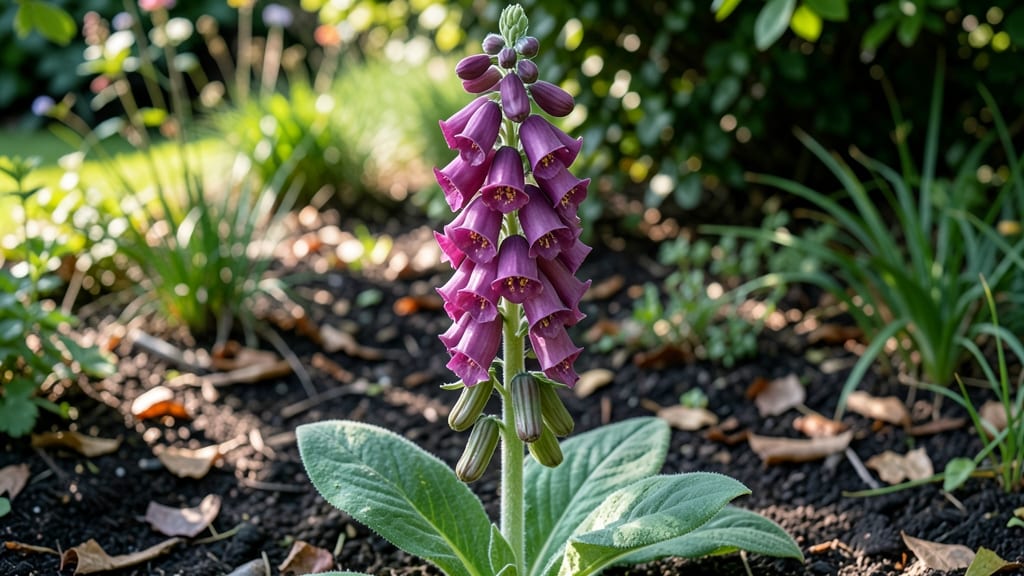
Foxglove seed pods hold the promise of next year’s towering spires of bell-shaped blooms—if you dry them right. 🌿 I’ve collected and dried hundreds of these pods over the years, and the difference between crisp seeds and moldy messes comes down to timing, airflow, and patience.
One wrong move, and you’ll end up with seeds that refuse to germinate.
The key is harvesting pods when they turn papery brown and split open slightly—usually late summer to early fall, depending on your climate. A gentle twist or shake releases the tiny black seeds inside, but rush it, and you’ll get damp pods that rot during drying.
Store them in paper envelopes (not plastic) in a cool, dark place until spring planting.
By following these steps, you’ll end up with 80-90% viable seeds that produce strong, healthy seedlings. The first flush of green appears within 2-3 weeks of planting, and by next summer, you’ll have foxglove stalks reaching 4-5 feet—exactly what makes this plant worth the wait.
Works for gardeners in zones 3-8, though colder climates may need a head start indoors. Whether you’re saving seeds from your own plants or trading with fellow gardeners, this method guarantees you’ll have foxglove blooms year after year without buying new plants.
📚 In This Guide
- What you need
- Instructions
- Tips and common mistakes
- Wrapping up and next steps
What you need
- ● Mature foxglove seed pods: Harvest only fully dried, brown pods (still attached to stems) from healthy plants. Aim for 10–20 pods depending on your garden size.
- ● Pruning shears or sharp scissors: Clean, sterilized tools to avoid disease transfer. (1 pair)
- ● Newspaper or cardboard: For a clean drying surface (enough to cover a 2’x3’ area).
- ● Brown paper bags or mesh produce bags: 2–4 bags (1 per 5–6 pods) with small holes for airflow.
- ○ Rubbing alcohol (70% isopropyl) and cotton swabs: For sterilizing tools and pods (optional but highly recommended to prevent mold).
- ● Labeling tags and a pencil: To mark pod varieties (e.g., "Digitalis purpurea – ‘Pam’s Choice’").
- ● Desiccant packets (silica gel): Place 1–2 packets in bags to speed up drying in humid climates.
- ● Fan or dehumidifier: For forced-air drying in damp areas (position on low setting to avoid seed damage).
- ● Glass jars with lids: For long-term seed storage (ensure they’re airtight once sealed).
- ● Garden journal: To log pod sources, drying dates, and germination success rates.
- ● Knee pad or stool: Because bending over 100+ pods gets old fast!
Instructions for harvesting and drying foxglove seed pods
Here’s how to preserve those iconic seed pods for next season’s lush, towering blooms.
🌿 Step 1: Identify and Harvest Mature Seed Pods
Wait until the pods turn a deep brown and feel dry to the touch—this signals full maturity. Foxglove pods are ready when they split open naturally, revealing tiny black seeds inside. Use clean, sharp pruning shears to snip the stem 1-2 inches below the pod, leaving a short stalk to prevent damage during drying.
Harvest on a dry, sunny morning when dew has evaporated. This ensures the pods won’t develop mold or rot during the drying process. Place them in a single layer on a clean, breathable surface like a wire rack or newspaper-covered tray. Avoid overcrowding—pods need airflow to dry evenly.
💧 Step 2: Dry the Pods Properly
Find a warm, dry location with good airflow, like a covered porch or a well-ventilated room. Avoid direct sunlight, which can cause the pods to dry too quickly and crack open prematurely. A temperature between 65-75°F is ideal for slow, even drying.
Turn the pods every 2-3 days to ensure all sides dry uniformly. You’ll know they’re ready when the pods feel completely dry and hollow when tapped—no moisture should remain inside. This process typically takes 2-4 weeks, depending on humidity levels in your area.
⏰ Step 3: Store Seeds for Next Season
Once fully dry, gently open the pods and remove the seeds. Store them in a sealed, airtight container with a desiccant packet to absorb any lingering moisture. Label the container with the variety and harvest date—foxglove seeds remain viable for 2-3 years when stored in a cool, dark place.
Sow seeds in early spring for the best germination results. Foxglove seeds benefit from a cold stratification period, so you can either plant them outdoors in fall or mimic winter conditions by refrigerating them for 4-6 weeks before sowing. This trick mimics natural winter chilling and encourages stronger seedlings.
☀️ Step 4: Prepare for Next Year’s Planting
When ready to plant, sow seeds ¼ inch deep in well-draining soil. Foxglove thrives in partial shade, so choose a location with dappled sunlight. Keep the soil consistently moist but not soggy—young seedlings are sensitive to waterlogged roots.
Thin seedlings to 12-18 inches apart once they reach 3-4 inches tall. This spacing allows mature plants to develop their signature height without competing for nutrients. With proper care, your dried pods will yield next year’s breathtaking foxglove blooms, just as stunning as the originals.
Tips & tricks for perfect foxglove seed pod preservation
These insider techniques will ensure your foxglove seed pods dry flawlessly and yield vibrant blooms next season.
Harvest Timing Tip: The 1-2 inch stem you leave attached serves a critical purpose—it acts as a natural handle during drying, preventing damage to the delicate pods. Confession: I skipped this for years and wondered why so many pods cracked during drying. That small stalk makes all the difference when turning pods every 2-3 days. The airflow through the stem also helps prevent mold, especially in humid conditions.
Drying Environment Secret: While the ideal temperature range of 65-75°F is perfect, humidity is the real game-changer. If your area tends to be damp, consider placing a small fan nearby to create gentle airflow around the pods. I learned this the hard way after losing an entire harvest to mold in a supposedly "dry" basement. Even a simple household fan on low setting can make this difference—just keep it at least 2 feet away to avoid disturbing the pods.
Seed Viability Strategy: The 2-3 year viability window for stored foxglove seeds is impressive, but here's what nobody tells you—proper labeling is just as important as the storage itself. I now use small glass jars with both the variety name AND harvest date written directly on them with a permanent marker. This prevents mix-ups when you're ready to sow next spring, especially if you grow multiple foxglove varieties. The date helps you track which seeds might need that 4-6 week cold stratification period for optimal germination.
Planting Depth Insight: That ¼ inch planting depth might seem shallow, but foxglove seeds need this minimal coverage to germinate properly. Real talk: I've seen gardeners bury them too deep out of concern for drying out, only to have poor germination rates. The seeds need light to trigger germination, so resist the urge to cover them completely. A light sprinkle of soil or even just pressing them gently into the surface works just as well.
Pro Tips for Foxglove Seed Pods
- These insider techniques will ensure your foxglove seed pods dry flawlessly and yield vibrant blooms next season.
- Harvest Timing Tip: The 1-2 inch stem you leave attached serves a critical purpose—it acts as a natural handle during...
- Drying Environment Secret: While the ideal temperature range of 65-75°F is perfect, humidity is the real game-changer...
Frequently asked questions
Got questions about harvesting, drying, or storing foxglove seed pods?
You’re in the right place! Here are answers to the most common queries—plus a few pro tips to ensure your next batch of blooms is even more spectacular.
When is the best time to harvest foxglove seed pods?
Harvest seed pods when they’re fully brown and slightly papery to the touch—usually 6–8 weeks after flowering. Avoid picking them too early (they won’t dry properly) or too late (they may crack open and scatter seeds prematurely). Morning harvests work best, as pods are less likely to be damp from dew.
How long does it take to dry foxglove seed pods?
Drying time depends on your climate, but most pods take 2–4 weeks in a dry, well-ventilated space (like a mesh bag or paper bag hung upside down). Speed up the process by placing them in a warm, dry spot (e.g., near a sunny window) or using a dehydrator on low heat (95°F). Patience is key—rush it, and you risk mold or uneven drying.
Can I reuse dried foxglove seed pods for multiple years?
While the seeds inside remain viable for 2–3 years if stored properly (in a cool, dark, dry place), the pods themselves aren’t reusable. Once they’ve split open or lost their structure, compost them or discard them. For long-term storage, transfer seeds to a paper envelope labeled with the harvest year.
What if my foxglove seed pods won’t dry or develop mold?
Mold or slow drying usually means high humidity or poor airflow. Fix it by:
- Moving pods to a drier location (e.g., indoors with a fan).
- Spraying them lightly with fungicide if mold appears.
- Ensuring pods aren’t touching each other (space them out in a single layer).
Are there alternatives if my foxglove plants don’t produce seed pods?
If your foxglove skips seed production, try these fixes:
- Hand-pollinate flowers with a soft brush to transfer pollen between blooms.
- Choose self-pollinating varieties (like ‘Giant Candelabra’) for easier seed sets.
- Grow foxglove in full sun (they often produce more seeds with better light).
Wrapping up and next steps
Foxglove seed pods may seem delicate, but with the right care, they’re your ticket to next year’s breathtaking blooms! 🌸 By mastering drying techniques—whether through air-drying, paper bag storage, or fridge preservation—you’ll ensure viability and vibrant growth.
Whether you’re a seasoned gardener or just starting out, these tips make the process simple and rewarding.
Ready to grow your green thumb? Grab those pods, follow your chosen method, and get excited for the showstopping flowers that await. Check out our planting guide next to turn those dried seeds into a thriving garden!