
Lawn
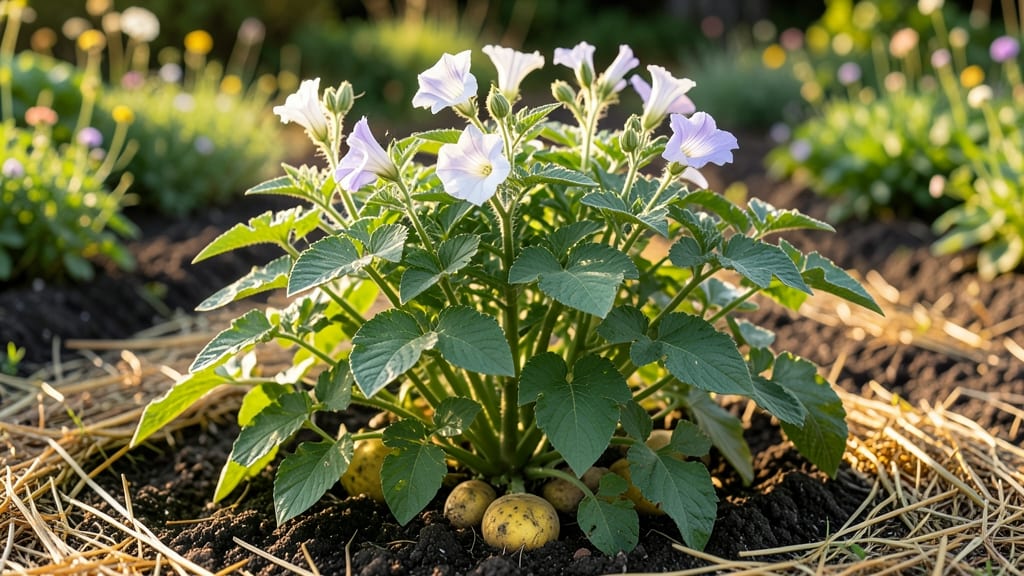
Growing the Huckleberry Gold seed potatoes in Zone 3-4 feels like cheating—these cold-resistant tubers thrive when most varieties give up. 🌱 I've grown them for three winters, and they've never failed to produce a bountiful harvest, even after late spring frosts.
The secret lies in their ability to handle temperatures down to 25°F and their early maturity, which means you get potatoes when other gardens are still waiting for greens to emerge.
Start with certified seed potatoes from a reputable supplier—never grocery store spuds, as they’re treated to prevent sprouting and may carry diseases. Cut larger tubers into chunks with at least two eyes each, let them dry for a day, and then plant them 4 inches deep in loose, well-draining soil.
Space rows 3 feet apart to allow for hilling later in the season, which protects tubers from light exposure and keeps them from turning green.
Once sprouts appear, water deeply once a week unless rain does the job—Huckleberry Golds hate soggy soil but need consistent moisture to grow those signature golden-yellow tubers. Mulch with straw or leaves to insulate roots from late frosts and suppress weeds.
When foliage yellows in late summer, stop watering entirely for 2 weeks before harvest to sweeten the flavor and firm up the skins.
These potatoes store exceptionally well, making them perfect for winter root cellars or long-term pantry stock. Pair them with onions, cabbage, or peas in your garden beds—they’re all cold-tolerant companions that thrive together.
With minimal fuss, you’ll end up with a harvest that outshines most varieties, even in the toughest climates.
📚 In This Guide
- What you need
- Instructions
- Tips and common mistakes
- Wrapping up and next steps
What you need
- ● Huckleberry Gold seed potatoes: 10–15 lbs (enough for ~25–30 plants, depending on spacing). Choose certified disease-free tubers from a reputable supplier.
- ● Garden soil: Well-draining, loamy soil with a pH of 5.0–6.5. Amend with compost if your soil is heavy or sandy.
- ● Compost or aged manure: 2–3 gallons per planting area to enrich the soil.
- ○ Balanced fertilizer (5-10-10 or 10-10-10): 1–2 lbs per 100 sq ft (optional but recommended for faster growth).
- ● Mulch (straw or grass clippings): 2–3 inches to retain moisture and regulate soil temperature.
- ● Garden trowel or spading fork: For digging planting holes and transplanting.
- ● Garden hose or watering can: With a fine spray nozzle for gentle watering.
- ○ Garden twine or stakes (optional): If you’re growing in rows or need support for vining varieties.
- ● Potato harvester or garden fork: For careful digging when tubers are ready (late summer).
- ○ Gloves (optional): To protect your hands from prickly stems or rough soil.
- ● A sunny spot with 6–8 hours of direct sunlight daily.
- ● Access to water for consistent moisture (avoid waterlogging!).
- ● Patience! Huckleberry Golds take 90–120 days to mature in cooler climates.
Step-by-step guide to planting Huckleberry Gold seed potatoes
This cold-hardy variety thrives in Zone 3-4's short seasons—here's how to maximize their yield.
🌱 Step 1: Chit Seed Potatoes Indoors for Early Growth
Place your seed potatoes in a bright, cool spot (50-55°F) for 4-6 weeks before planting. I use a sunny windowsill or under grow lights to encourage chitting—those little white sprouts that signal readiness. Turn them occasionally so all sides get light exposure, preventing lopsided growth.
Once sprouts reach 1-2 inches, they're ready for the garden. If left too long, the stems will grow leggy and weak—plant them promptly. The goal is sturdy, compact sprouts that'll establish quickly in cold soil.
🪴 Step 2: Prepare Soil and Plant at Proper Depth
Choose a sunny location with well-draining soil—Huckleberry Golds hate soggy roots. Work in 2-3 inches of compost to enrich the soil before planting. These potatoes thrive in full sun (6+ hours daily), so avoid shaded spots where tubers may develop poorly.
Dig trenches 12 inches deep and space them 3 feet apart for proper air circulation. Place each seed potato with sprouts facing up, 4-6 inches apart in the trench. Cover lightly with soil—just enough to protect the sprouts but not bury them too deep. This variety handles cold well, so don't rush planting even if frost lingers.
☀️ Step 3: Hill Soil as Plants Mature for Bigger Harvests
When stems reach 6 inches tall, mound soil around the base to 12 inches high. Repeat this hilling every 2-3 weeks until mounds reach 18 inches. This protects new tubers from light (which turns them green and bitter) and encourages deeper growth.
Watch for first blooms—they signal tubers are forming below. Stop hilling once flowers appear to avoid disturbing developing potatoes. Mulch with straw or grass clippings to retain moisture and regulate soil temperature, especially in Zone 3-4's variable springs.
⏰ Step 4: Harvest at Peak Maturity for Best Flavor
Huckleberry Golds mature 90-110 days after planting. Start checking for harvest when top growth yellows and dies back. Gently dig around the base of plants with a fork, lifting tubers carefully to avoid bruising. Harvest on a dry, sunny day to let soil dry slightly before storage.
Cure tubers in a dark, cool (50-60°F) place for 1-2 weeks to thicken skins. Store in a ventilated container with 60% humidity—these potatoes keep well for months. If left in the ground too long, they'll shrink and develop rough skin, so time your harvest right.
✂️ Step 5: Save Seed Potatoes for Next Year's Planting
Select medium-sized, disease-free tubers for next season's seed potatoes. Cut larger ones into 1-2 pound pieces, ensuring each has at least one "eye" (the sprout). Let cut surfaces dry for 24 hours before storing in a cool, dark place until planting.
Label your saved potatoes clearly—Huckleberry Golds are a favorite, and you'll want to replant them! These potatoes breed true, so your homegrown seed stock will perform just like the original. With proper care, you'll enjoy this cold-resistant variety for years to come.
Tips & tricks for perfect Huckleberry Gold seed potatoes
Here's what I learned the hard way after planting these potatoes in Zone 3's unpredictable climate.
Chitting Conditions: The 50-55°F temperature range for chitting is crucial—any warmer and you'll get leggy sprouts that struggle when transplanted. I use a small greenhouse tray on my windowsill to maintain consistent conditions without needing a thermostat. If your home runs warmer, place potatoes on a bed of damp pebbles to cool them slightly. The goal is those sturdy 1-2 inch sprouts ready for planting.
Soil Preparation Secret: Don't skip the 2-3 inches of compost—this variety thrives on well-draining soil but needs nutrients to produce those signature golden tubers. I mix in a handful of bone meal at planting time for extra phosphorus, which helps tuber development. For heavy clay soils, add perlite to improve drainage without compromising moisture retention.
Hilling Timing: The 6-inch stem height trigger for first hilling is your cue to start protecting those forming tubers. I mark my plants with colored stakes to track growth—when they hit my 6-inch mark, it's time to mound soil. The 2-3 week intervals between hillings let roots establish while preventing exposure to light that causes greening. Stop at 18 inches once flowers appear to avoid disturbing the developing potatoes below.
Harvesting Wisdom: Those 90-110 days to maturity can feel like forever in Zone 3-4, but patience pays off. I check for harvest readiness by looking for yellowing foliage and gently probing the soil with a finger—when tubers feel firm, it's time. The dry, sunny day requirement isn't just about convenience; it lets the soil dry slightly so tubers don't rot during curing. Spread them out on newspaper in a shady spot for 24 hours before storing to let skins toughen slightly.
Pro Tips for Huckleberry Gold Seed Potatoes
- Here's what I learned the hard way after planting these potatoes in Zone 3's unpredictable climate.
- Chitting Conditions: The 50-55°F temperature range for chitting is crucial—any warmer and you'll get leggy sprouts th...
- Soil Preparation Secret: Don't skip the 2-3 inches of compost—this variety thrives on well-draining soil but needs nu...
Frequently asked questions
Got questions about growing Huckleberry Gold seed potatoes in your chilly Zone 3-4 garden? You’re not alone! Here are answers to the most common queries—so you can dig in with confidence.
How cold can Huckleberry Gold potatoes handle before planting?
These cold-hardy spuds can survive light frosts down to 25°F (-4°C) after sprouting. Plant them 2–4 weeks before your last frost date (early spring) when soil temps hit 40°F (4°C). For fall planting, aim for 6–8 weeks before a hard freeze (Zone 3-4: ~September). Pro tip: Use straw mulch (6+ inches) to shield tubers from late-season dips!
How long does it take for Huckleberry Gold potatoes to mature?
Expect 90–110 days from planting to harvest—perfect for short growing seasons! In Zone 3-4, start harvesting new potatoes (small, tender ones) at 50–60 days, then dig the rest before frost. Mark planting dates on your calendar to avoid missing the window.
Can I grow Huckleberry Gold potatoes in containers or raised beds?
These potatoes thrive in deep containers (12"+ depth) or raised beds with loose, well-draining soil. Use cold frames or black plastic mulch to warm soil faster in spring. For containers, plant 2–3 seeds per 5-gallon pot and hill soil as vines grow to boost yield.
What’s the best way to prevent pests (like wireworms or blight) in cold climates?
Start with certified disease-free seed potatoes and rotate crops yearly. For wireworms, use row covers early in the season. To fight blight (common in damp springs), space plants 12–18" apart for airflow and remove volunteers (sprouted tubers). Neem oil sprays can help too!
Are Huckleberry Gold potatoes good for storage? How long do they last?
Yes! Cure them in a cool (50–60°F), dark, humid (80–90%) place for 1–2 weeks before storing. With proper conditions, they’ll keep 4–6 months—longer than many varieties. Avoid refrigeration (cold turns starch to sugar, making them sweet/tasteless).
Wrapping up and next steps
Growing Huckleberry Gold seed potatoes in your Zone 3-4 garden is a rewarding way to enjoy cold-hardy, flavorful harvests—even in challenging climates! 🌱 Their adaptability, disease resistance, and rich taste make them a standout choice for both beginners and seasoned gardeners.
Whether you’re planting in containers or directly in the soil, these potatoes prove that great yields don’t require perfect weather.
Ready to dig in? Start small—try a few seed potatoes this season and watch your confidence (and harvest!) grow. Happy planting! 🌟