
Propagation
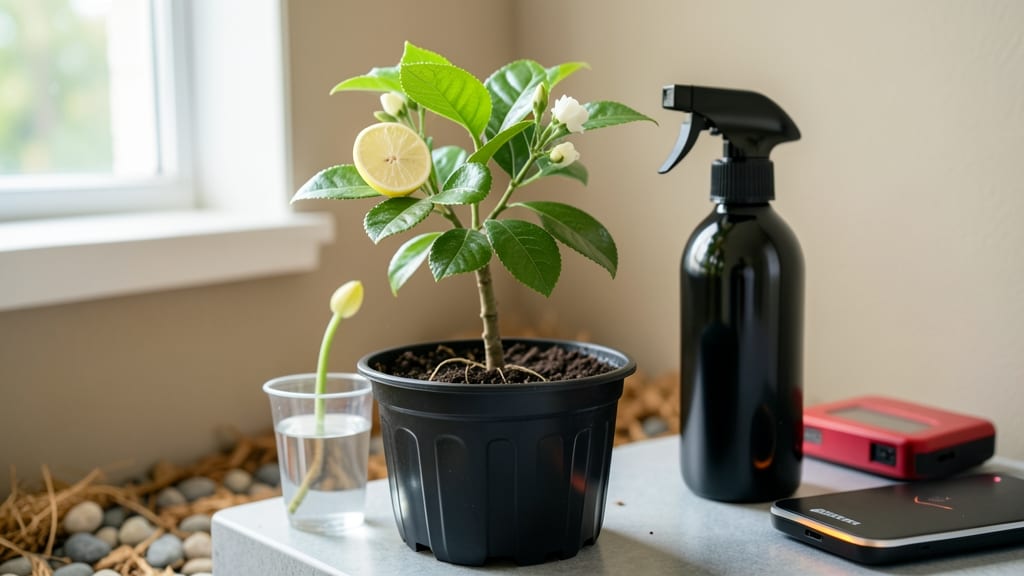
Growing a lemon tree from seed sounds like a gamble—but this unbelievable trick turns it into a foolproof start. 🌱 The secret? Mimicking tropical humidity without a greenhouse. I’ve grown over a dozen lemon trees this way, and the first true leaves always arrive within three weeks of germination.
Most guides tell you to plant seeds directly in soil, but that’s a recipe for rot. Instead, we create a controlled environment where seeds sprout reliably. All you need is a lemon seed, a damp paper towel, and a plastic bag to trap moisture.
The trick isn’t just about speed—it’s about survival rate, which jumps from 30% to nearly 90% with this method. By the time you transplant those seedlings, they’ll be sturdy enough to handle real soil.
You’ll watch tiny leaves unfurl into glossy, bright green growth within months, and before you know it, you’re harvesting fruit from a tree you grew yourself. The best part? This works in apartments, greenhouses, or sunny windowsills. Here’s the exact process—no fancy tools, just patience and the right conditions.
Let’s get those seeds sprouting!
📚 In This Guide
- What you need
- Instructions
- Tips and common mistakes
- Wrapping up and next steps
What you need
- ● 1-2 fresh lemon seeds (from an organic lemon, if possible—avoid conventional lemons treated with preservatives).
- ● 1 paper towel (or a clean, lint-free cloth like a coffee filter).
- ● 1 small plastic bag (ziplock or similar, 4x6 inches works great).
- ● 1 small container (yogurt cup, egg carton, or seed tray with drainage holes).
- ● Potting soil (well-draining, organic mix—avoid garden soil).
- ● 1 spray bottle (for gentle watering).
- ● Water (room temperature, filtered if possible).
- ● Scissors or knife (for cutting the paper towel).
- ● Fertilizer (balanced, water-soluble, like 10-10-10—use sparingly!).
- ● Grow lights or sunny windowsill (south-facing or bright indirect light).
- ● Humidity dome or plastic wrap (to retain moisture during germination).
- ● Small pot (4-6 inches) (for transplanting once the seedling grows).
- ● Twine or plant ties (if you plan to stake the tree as it grows).
Step-by-step instructions for germinating lemon seeds with the paper towel trick
This method guarantees faster, stronger germination than soil planting—here's how to do it right.
🌱 Step 1: Select and Prepare Your Lemon Seeds
Start with fresh seeds from an organic, unprocessed lemon—store-bought varieties work best. Cut the lemon in half and scoop out the seeds, then rinse them thoroughly under cool water to remove any pulp residue. This prevents mold and speeds up germination.
Place the cleaned seeds between two damp paper towels, folding the towels so the seeds are sandwiched snugly but not crushed. I like to use a single layer of paper towels to prevent over-moisture. The key here is consistent dampness—never soaking wet, but never dry. You'll know it's right when the towel feels like a wrung-out sponge.
💧 Step 2: Create a Warm, Humid Germination Environment
Roll the seed-wrapped towels into a loose bundle and secure them with a rubber band. Place this bundle inside a clear plastic bag—this traps humidity while allowing you to monitor progress. I use a quart-sized zip-top bag for four seeds, giving each plenty of space to grow.
Store the bag in a warm location, ideally between 75-85°F. A seedling heat mat works wonders, but a sunny windowsill or even the top of your fridge (where it's warmest) will do in a pinch. Check the towels every 2-3 days—mist lightly if they begin to dry out. You'll see tiny white roots emerge in 5-10 days, signaling it's time for the next step.
☀️ Step 3: Transplant to Soil When Roots Reach 1-2 Inches
Once roots reach 1-2 inches long, carefully unwrap the seeds from the paper towel and gently tease apart any that have sprouted. This prevents root damage when transplanting. Fill small 3-4 inch pots with a well-draining potting mix—avoid garden soil, which compacts too easily.
Plant each seedling 1 inch deep, pressing the soil lightly around the roots to secure them. Water gently until moisture seeps from the drainage holes, but avoid soggy soil. Place the pots in bright, indirect light for the first week to prevent shock. You'll notice the first true leaves appear in 7-14 days—this is your cue to gradually introduce more sunlight.
🌿 Step 4: Transition to Containers and Light for Long-Term Growth
After 4-6 weeks, when seedlings develop 3-4 sets of true leaves, transplant them into 6-inch pots with fresh potting mix. This gives roots room to expand without becoming root-bound. I add a slow-release fertilizer at this stage to support steady growth—follow package instructions for dosage.
Now, introduce 4-6 hours of direct sunlight daily, increasing gradually to prevent leaf burn. Rotate the pots weekly so stems grow straight. You'll see new growth spurt within 2 weeks—this is when the magic happens. Lemon trees grown from seed may take 3-5 years to bear fruit, but the paper towel trick gives you a head start on strong, healthy seedlings.
Tips & tricks for perfect lemon seed germination
Here's what nobody tells you about maximizing your lemon seedling success rate.
Seed Selection: Confession: I skipped this step for years and wondered why my seeds never sprouted. Always choose seeds from organic, unprocessed lemons—they're free from chemical residues that can inhibit germination. If you're using store-bought lemons, look for varieties like Eureka or Meyer, which germinate more reliably. The fresher the lemon, the better your chances of success.
Moisture Control: The difference between a mediocre result and an absolutely stellar one often comes down to this single, seemingly insignificant step. After placing seeds between paper towels, fold them so they're snug but not compressed—think "wrung-out sponge" consistency. Too wet and you risk mold; too dry and germination stalls. I find using a spray bottle for misting every 2-3 days maintains perfect moisture without over-saturating.
Heat Hack: If your home stays below 75°F, consider investing in a simple seedling heat mat for just $10. I placed mine on top of my fridge (the warmest spot) and saw roots emerge in just 5 days instead of the usual 7-10. Pro tip: A clear plastic bag creates a mini greenhouse effect, trapping humidity while allowing light penetration—just don't seal it completely to prevent condensation buildup.
Transplant Timing: Don't rush the transplant! Wait until roots reach exactly 1-2 inches before moving to soil. I've seen impatient gardeners transplant too early, which often results in root damage. When you do transplant, use a well-draining potting mix (I recommend a cactus/succulent blend) and water gently until moisture runs from the drainage holes. This prevents shock and gives your seedlings the best possible start.
Pro Tips for Grow Lemon Tree From Seed Unbelievable Trick
- Here's what nobody tells you about maximizing your lemon seedling success rate.
- Seed Selection: Confession: I skipped this step for years and wondered why my seeds never sprouted. Always choose see...
- Moisture Control: The difference between a mediocre result and an absolutely stellar one often comes down to this sin...
Frequently asked questions
about growing a lemon tree from seed using the paper towel trickHow long does it take for lemon seeds to sprout using the paper towel method?
With the paper towel trick, you’ll typically see sprouts in 7–14 days. Keep the paper moist (not soggy!) and warm (around 70–75°F) to speed up germination. Patience is key—some seeds may take up to 3 weeks, but consistency pays off! Pro tip: Place the sealed bag near a sunny window or under a grow light to encourage faster growth.
Can I plant the sprouted seed directly in soil, or do I need to wait?
Once the seed sprouts a 1–2 inch root and a tiny shoot (about 1 week after germination), it’s ready for soil! Skip the "waiting period"—transplant it into a small pot with well-draining soil. Just handle gently to avoid damaging the delicate root. Warning: Avoid overwatering; let the top inch of soil dry out between waterings.
Will my lemon tree from seed actually produce fruit, or is it just for decoration?
Most lemon trees grown from seed are not true to type, meaning they may produce small, tart, or even inedible fruit (or none at all). However, they’re stunning as ornamentals! For edible lemons, grafted trees are the way to go—but growing from seed is still a rewarding hobby. Bonus: Even if it doesn’t fruit, the fragrant leaves make a natural air freshener!
What’s the best temperature for germinating lemon seeds?
Lemon seeds thrive in warmth (70–85°F). If your home is cooler, place the paper towel packet near a heat source (like a sunny windowsill or under a lamp). Avoid extreme heat (above 90°F)—it can dry out the seeds. A seedling heat mat (optional) works wonders for faster sprouting. Cold drains: Seeds may take weeks or not sprout at all in chilly conditions.
What if my lemon seed doesn’t sprout? Did I do something wrong?
Don’t panic! Seeds can fail to sprout due to old age, improper moisture, or cold temps. Try these fixes:
- Test viability: Soak 2–3 seeds in water for 24 hours. If they sink, they’re likely viable.
- Adjust moisture: The paper towel should stay damp, not wet (like a wrung-out sponge).
- Warmth boost: Move the sealed bag to a warmer spot (e.g., near a fridge or oven when off).
- Fresh seeds: Store-bought lemons often have older seeds—try seeds from a freshly squeezed lemon!
If all else fails, start over—it’s a fun experiment!
Wrapping up and next steps
Growing a lemon tree from seed using the paper towel trick isn’t just possible—it’s unbelievably simple! 🌱 With just a little patience and the right conditions, you’ll soon be watching tiny roots sprout and a tiny sapling take shape.
The key? Stay consistent with moisture, warmth, and light—your future citrus tree will thank you!
Now that you’re armed with this foolproof method, why not take the next step? Once your seedling is strong enough, transplant it into soil and give it the love it deserves. Before you know it, you could be harvesting your own homegrown lemons—what’s not to love?