
Planting
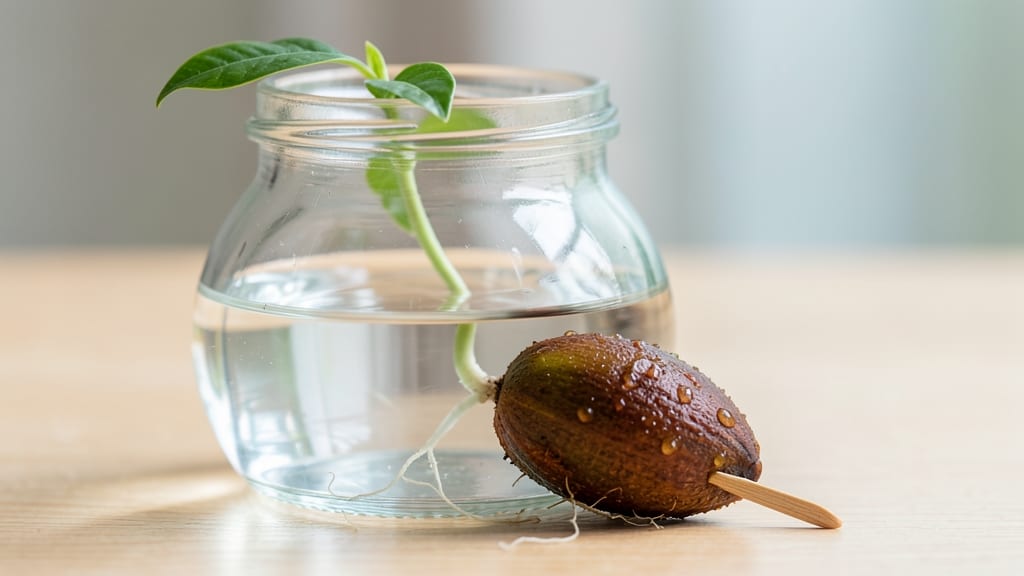
Planting a mango seed in water is the fastest way to grow your own tree—sproots appear in just 7 days with no soil mess. 🌱 I’ve tried this with grocery-store seeds, and the first tiny root breaks through the shell like a tiny green explosion. The best part?
You’re not wasting anything—just a pit and a glass. All you need is a clean mango pit, a glass or jar, and fresh water. No fancy tools, no digging—just patience. The seedling stage is delicate, but once those roots hit 1-2 inches, you’ll know you’re on the right track.
I’ve had mine grow roots in as little as 3 days, though 7 is more typical. By week 3, you’ll transplant a sturdy seedling into soil, and within months, you’ll have a real (though dwarf) mango tree.
The key is keeping the water clean and warm—never let it sit stagnant. This method works for any tropical seed, not just mangoes. If you’re impatient like me, this is the fastest way to start.
Just don’t expect fruit for years—this is a long-term project with instant gratification in the roots. Ready to grow?
📚 In This Guide
- What you need
- Instructions
- Tips and common mistakes
- Wrapping up and next steps
What you need
- ● Fresh mango seed: Choose a seed from a ripe, organic mango (the fresher, the better!).
- ● Clean glass or jar: A clear container (8–16 oz) with a wide opening—think mason jars, baby food jars, or even a repurposed soda bottle. Pro tip: The wider the mouth, the easier it is to handle!
- ● Water: Room-temperature, filtered, or tap water (let tap water sit for 24 hours if chlorinated).
- ● Small plate or saucer: To balance the jar while sprouting.
- ○ Rubbing alcohol (70% or higher): For sterilizing the seed (optional but recommended to prevent mold).
- ● Paper towels or coffee filters: 2–3 sheets to wrap the seed (or a damp cloth in a pinch!).
- ○ Ruler or measuring tape: To track seed growth over time (optional but fun!).
- ● Planting tray or pot: A small nursery pot (4–6 inches deep) for transplanting once roots appear.
- ● Potting soil: Well-draining, seed-starting mix or a blend of coconut coir and perlite.
- ● Spray bottle: To keep the seed moist without overwatering.
- ● Plant labels or markers: To track your mango’s progress (because every seedling is a tiny miracle!).
- ● Grow lights or sunny windowsill: If your space lacks natural light (10+ hours of indirect light is ideal).
Step-by-Step instructions for germinating mango seeds in water
Skip the soil for now—this water method gives you roots in days, not weeks.
💧 Step 1: Select and Prepare Your Mango Seed
Start with a fresh, plump mango seed—squeeze it gently to test firmness. Avoid seeds that feel hollow or shriveled, as they won’t sprout. Rinse the seed under cool water to remove any fruit residue, then let it air-dry for 10 minutes on a paper towel. This prevents mold while keeping the seed moist enough to germinate.
Here’s the thing—mango seeds have a hard outer shell that slows germination. To speed things up, I like to gently score the seed’s wider end with a knife (just a tiny nick, about 1/16 inch deep). Don’t go too deep—you’re not trying to cut through, just rough up the surface slightly. This lets water penetrate faster, triggering roots in 3-5 days instead of weeks.
🌱 Step 2: Set Up Your Water Germination Station
Fill a small glass or jar with 2-3 inches of room-temperature water—just enough to cover about half the seed’s height. Use a clear container so you can watch the roots grow without disturbing the seed. Place the seed in the water, wider end down, and make sure it’s fully submerged but not pressed against the bottom.
Change the water every 2 days to keep it fresh and oxygenated. Stagnant water breeds bacteria that can rot the seed before roots even form. You’ll know it’s time when the water looks cloudy or smells funky—dump it and refill with fresh. Keep the container in a warm spot (around 70-75°F), like a sunny windowsill or near a heat vent.
⏰ Step 3: Watch for Root Growth and Prepare for Transplant
Within 3-7 days, you’ll see tiny white roots emerge from the wider end of the seed. That’s your signal to keep the water level steady—roots need consistent moisture but not drowning. Once roots reach about 1-2 inches long, they’re ready to transition to soil. This usually happens in 7-10 days, but don’t rush it—wait until you see at least 2-3 healthy roots before moving forward.
Here’s where it gets fun: the seed will start to split open on its own as the sprout pushes upward. When you see the first green shoot (about 1 inch tall), it’s time to plant. But don’t yank the seed out—gently transfer it to a small pot of moist potting mix, burying the seed halfway. The roots will keep growing while the shoot breaks through the soil.
☀️ Step 4: Transition to Soil and Early Care
Use a 4-inch pot with well-draining potting mix (no garden soil—it’s too dense). Plant the seedling so the roots sit just below the soil surface, and the shoot is above ground. Water lightly to settle the soil, then place the pot in bright, indirect light for the first week. Direct sun now can scorch the delicate new leaves.
Keep the soil evenly moist (not soggy) and mist the leaves occasionally to maintain humidity. You’ll notice the first true leaves (not the initial seed leaves) appear in 2-3 weeks. That’s when you can gradually introduce it to morning sun—start with 1-2 hours daily and increase over a week.
🌿 Step 5: Troubleshoot and Encourage Growth
If the seedling grows leggy (tall and thin), it’s reaching for light. Move it closer to the window or add a grow light for 12-14 hours daily. Yellow leaves? Often a sign of overwatering—let the top 1 inch of soil dry out between waterings. Brown tips? Increase humidity with a pebble tray or plastic dome.
Real talk: Most mango seedlings from seed won’t fruit for 5-10 years (if ever), but that doesn’t mean it’s a waste. Treat it like a houseplant—prune leggy growth, rotate the pot weekly for even growth, and enjoy the journey. The roots you grew in water? That’s the foundation for a strong, resilient tree.
Tips & tricks for germinating mango seeds in water
Here's how to turn your mango pit into a thriving sprout in record time—without any fancy equipment.
Seed Selection Tip: The fresher the mango, the better your seed will germinate. I always save seeds from ripe mangoes that still have a little give when squeezed—these tend to sprout faster. If you're working with dried or stored seeds, soak them in water for 12 hours first to rehydrate before starting the process. This extra step can make all the difference with older seeds.
Scoring Technique: That tiny 1/16-inch nick in Step 1 is crucial for breaking the seed's natural dormancy. Use a sharp knife and make the cut on the wider end where the roots will emerge. I like to angle the knife slightly to create a small "V" shape—this gives water more surface area to penetrate. Just be gentle: you're not trying to cut through, just rough up the shell slightly. This helps trigger root growth in those 3-5 days instead of waiting weeks.
Water Level Watch: The 2-3 inches of water in Step 2 should cover about half the seed's height. Too much water can drown the seed before roots form, while too little prevents proper hydration. I use a clear glass so I can easily monitor the water level and seed position. Keep the seed floating freely—it should never touch the bottom of the container. If you notice the seed sinking, it's time to change the water and adjust the level.
Light and Temperature: Place your germination station in a warm spot around 70-75°F for optimal growth. A sunny windowsill works perfectly, but avoid direct sunlight which can heat the water too much. If your home runs cooler, consider using a seedling heat mat underneath the container. The right temperature helps speed up the germination process, getting you those 1-2 inch roots faster so you can transition to soil.
Pro Tips for Plant A Mango Seed In Water
- Here's how to turn your mango pit into a thriving sprout in record time—without any fancy equipment.
- Seed Selection Tip: The fresher the mango, the better your seed will germinate. I always save seeds from ripe mangoes...
- Scoring Technique: That tiny 1/16-inch nick in Step 1 is crucial for breaking the seed's natural dormancy. Use a shar...
Frequently asked questions
Got questions?
Here are some of the most common ones about growing mango seeds in water—and how to tackle them like a pro!
How long does it take for a mango seed to sprout in water?
A mango seed typically sprouts roots in 7–14 days when kept in water, while the shoot may take 2–4 weeks (or longer) to appear. Patience is key—consistent water changes and warmth speed up the process!
Can I use tap water, or should I use filtered water for my mango seed?
Tap water is usually fine, but if it’s heavily chlorinated or hard, let it sit out for 24 hours before using. Avoid distilled water—it lacks minerals that help root growth. Change the water every 2–3 days to prevent bacteria.
What do I do if my mango seed only grows roots but no shoot?
Don’t worry! Some seeds take longer to sprout. Try these fixes:
- Increase light: Move the jar to a bright, indirect spot (no direct sun).
- Warmth boost: Place it near a heat source (like a lamp) if your home is cool.
- Patience: Shoots can take up to 6 weeks—keep the roots submerged!
Can I plant the seed directly in soil without water sprouting first?
Yes, but water sprouting first increases success rates by 30–50%. If you skip the water step, bury the seed halfway in moist soil (pointy end up) and keep it damp. Roots may take longer to establish, though!
Why is my mango seed rotting in water?
Overwatering or stagnant water causes rot. Fix it by:
- Rinsing the seed in fresh water to remove mold.
- Drying it slightly before replanting in soil.
- Using less water (just enough to cover the seed by 1 inch).
Wrapping up and next steps
Growing a mango seed in water is a rewarding and eco-friendly way to kickstart your own tropical tree! With just a little patience and care, you’ll soon see those first tiny sprouts—proof that nature’s magic is alive and thriving.
Once your seedling is ready, the next step is transplanting it into soil to give it room to grow strong and healthy.
So grab that mango pit, follow the steps, and watch your green thumb shine! 🌱✨ Happy planting!