
Lawn
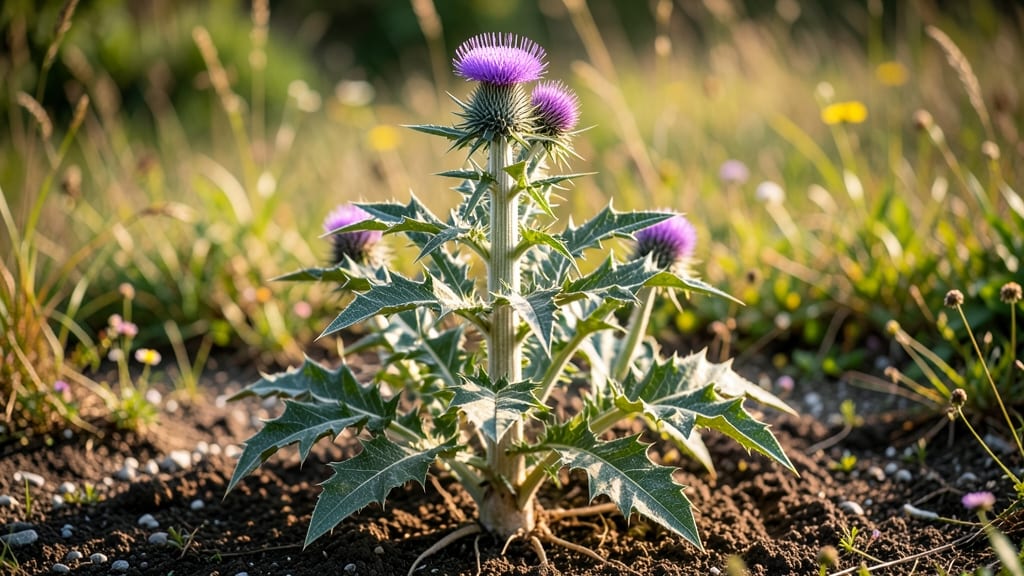
Growing milk seed thistle from seeds is like inviting a drought-proof survivor into your garden—it thrives where others fail. 🌱 This spiky perennial pops up effortlessly in poor soil, demands almost no water, and rewards you with striking silver-streaked foliage and edible seeds. The key?
Planting in full sun and letting it grow wild (but controlled) in your landscape. You’ll need minimal supplies: a sunny spot, well-draining soil, and patience. Seeds germinate in 10-20 days when sown directly in spring or fall, while transplants establish even faster.
Water lightly until roots take hold, then forget about it—this plant handles drought like a champ. Perfect for pollinator gardens or as a striking border plant. By summer, you’ll have tall, architectural stems reaching 3-6 feet, topped with vibrant purple flowers that attract bees and butterflies.
The seeds inside are edible (taste like artichokes) and packed with medicinal benefits, though they’re more often grown for their ornamental value. Works in zones 3-9, from desert landscapes to urban gardens. Here’s how to get started without the fuss!
📚 In This Guide
- What you need
- Instructions
- Tips and common mistakes
- Wrapping up and next steps
What you need
- ● Seeds: 50–100 milk thistle (Silybum marianum) seeds (organic or untreated for best results).
- ● Soil: Well-draining, slightly alkaline soil (pH 6.0–8.0). Amend with compost or sand if your soil is heavy.
- ● Sunlight: Full sun (6+ hours daily)—this plant loves basking in the sun!
- ● Water: Minimal irrigation (drought-resistant, but young plants need occasional watering).
- ● Garden trowel or transplanter (for sowing seeds or transplanting seedlings).
- ● Rake or hoe (to loosen soil and remove weeds).
- ● Watering can or hose with a gentle nozzle (avoid overwatering).
- ○ Optional: Mulch (straw or gravel) to retain moisture and suppress weeds.
- ○ Optional: Row covers or netting (to protect young plants from pests like rabbits).
- ● Choose a location with minimal competition (milk thistle thrives in open spaces).
- ● Check local regulations—some areas consider milk thistle invasive (always plant responsibly!).
- ● Patience! Germination can take 2–4 weeks under ideal conditions.
Step-by-step instructions for growing milk thistle from seeds
This hardy perennial loves neglect but rewards you with striking foliage and drought resistance—here's how to establish it with confidence.
🌱 Step 1: Prepare the Planting Site for Optimal Germination
Milk thistle thrives in full sun with 6-8 hours of direct light daily, so choose a location that receives unfiltered sunlight. The soil should drain quickly—this plant despises soggy roots. If your garden soil is heavy clay, amend it with 2-3 inches of coarse sand or perlite mixed into the top 12 inches of soil to improve drainage.
Loosen the soil to a depth of 6 inches using a garden fork or tiller, breaking up any compacted layers. Milk thistle has a deep taproot, so avoid disturbing the soil further once planted. A slightly rocky or gravelly spot actually suits it better than rich, fertile soil—this is how it naturally grows in its Mediterranean homeland.
🌱 Step 2: Sow Seeds at the Right Depth and Spacing
Scatter seeds ¼ inch deep—they’re tiny and don’t need deep planting. Space them 12-18 inches apart in rows 2 feet apart to allow room for their 3-5 foot mature spread. Press them gently into the soil with your fingers or the back of a rake, ensuring good seed-to-soil contact for even moisture uptake.
Water the area lightly after sowing, keeping the soil consistently moist but not waterlogged until germination. You’ll see first true leaves in 2-4 weeks, though germination can take up to 6 weeks in cooler conditions. Avoid overwatering now—excess moisture causes rot before seedlings even emerge.
☀️ Step 3: Provide Minimal Care During Establishment
Once seedlings reach 2-3 inches tall, reduce watering to once every 7-10 days unless your region experiences prolonged drought. Milk thistle’s deep roots make it exceptionally drought-tolerant, but young plants need steady moisture to develop strong root systems. You’ll know it’s thriving when new spiky, silver-blue leaves appear without wilting.
Skip fertilizing entirely—this plant grows best in lean, poor soil. Over-fertilizing leads to leggy growth and weak stems. Instead, mulch around the base with 1-2 inches of gravel or coarse sand to suppress weeds and retain moisture without smothering the plant.
✂️ Step 4: Prune Strategically for Bushier Growth
In early spring, cut back any dead or damaged stems to 1-2 inches above the ground. This encourages new growth from the base and prevents the plant from becoming top-heavy. You can also lightly trim the tips of stems throughout the growing season to promote bushier, more compact growth—though milk thistle naturally grows upright, so pruning isn’t mandatory.
Remove spent flower stalks after blooming to redirect the plant’s energy into foliage rather than seed production. The purple or pink thistle flowers are beautiful but aren’t necessary for the plant’s health. If you’re growing milk thistle for its medicinal properties, allow some flowers to go to seed for future propagation.
🪴 Step 5: Overwinter with Confidence
Milk thistle is fully cold-hardy in USDA Zones 3-9, meaning it survives winter with no special protection. In Zone 3, mulch the base with 2-3 inches of straw or leaves to insulate roots, but avoid piling mulch too close to the stem—this can cause rot.
Come early spring, remove old mulch and trim back any blackened stems. New growth will emerge from the base within 2-3 weeks, signaling the plant’s resilience. With minimal care, your milk thistle will self-seed and spread over time, creating a low-maintenance, drought-proof perennial garden centerpiece.
Tips & tricks for perfect milk thistle establishment
These subtle adjustments will help you skip the common pitfalls and grow a thriving, drought-resistant milk thistle garden.
Sunlight Strategy: While milk thistle thrives in full sun (6-8 hours daily), I've found that morning sun with afternoon shade works better in hot climates—it prevents leaf scorch while still meeting the light requirements. If your garden only gets partial sun, prioritize the sunniest spot available, even if it means sacrificing another plant's space. The key is consistent light exposure, not necessarily direct midday sun.
Seed Depth Precision: Those tiny milk thistle seeds need just ¼ inch of soil coverage, but here's the trick: don't press them too firmly. A light sprinkle of soil followed by gentle watering ensures proper contact without compacting the seeds. I use a fine-mesh sieve to distribute the soil evenly—it prevents clumping and creates perfect conditions for even germination.
Germination Timing: The 2-4 week window for first true leaves can feel like an eternity, especially in cooler climates. To speed things up slightly, I've found that soaking seeds in warm water for 12 hours before planting can shave off 3-5 days—just be sure to plant them immediately after soaking. The trade-off is minimal risk since these seeds are naturally drought-resistant.
Watering Wisdom: The "consistently moist but not waterlogged" guideline is crucial, but here's how to interpret it: Use your finger to check soil moisture—it should feel damp about 1 inch below the surface. In containers, water until it drains from the bottom, then wait until the top inch feels dry before watering again. Overwatering at this stage is the #1 reason seedlings fail to emerge.
Pro Tips for Milk Seed Thistle
- These subtle adjustments will help you skip the common pitfalls and grow a thriving, drought-resistant milk thistle g...
- Sunlight Strategy: While milk thistle thrives in full sun (6-8 hours daily), I've found that morning sun with afterno...
- Seed Depth Precision: Those tiny milk thistle seeds need just ¼ inch of soil coverage, but here's the trick: don't pr...
Frequently asked questions
Got questions about growing milk thistle seeds?
You’re not alone! Here are some of the most common concerns—plus quick, practical answers to help you succeed with this hardy perennial.
Is milk thistle invasive? Should I worry about it spreading?
Milk thistle (Silybum marianum) is not considered invasive in most regions, but it can self-seed aggressively in ideal conditions. To control spread, deadhead spent flower heads before they go to seed or plant in contained areas. If you’re in a dry climate, its drought resistance actually helps limit unwanted growth!
How long does it take for milk thistle seeds to germinate?
Germination typically takes 10–30 days under optimal conditions (warm soil, 60–75°F, and consistent moisture). For faster results, soak seeds in water for 24 hours before planting. Patience is key—this thistle thrives in poor soil, so don’t rush the process!
Can I grow milk thistle in drought conditions?
Absolutely!
One of milk thistle’s superpowers is its drought tolerance. Once established, it needs very little water—just enough to survive extreme dry spells. In fact, overwatering can harm it. Plant in well-draining soil and let nature take its course.
What’s the best time to harvest milk thistle seeds?
Harvest seeds when the flower heads turn brown and papery (usually late summer to early fall). Cut the heads, dry them in a warm, dry place for 1–2 weeks, then rub the dried heads to release the seeds. Store in a cool, dark spot for future planting!
What if my milk thistle isn’t flowering? What’s wrong?
If your plant isn’t flowering, it might be too young (they often take 1–2 years to bloom) or not getting enough sunlight (6+ hours/day). Check soil conditions—milk thistle prefers poor, rocky, or sandy soil. Over-fertilizing can also stunt blooms, so skip the nutrients!
Are there alternatives to milk thistle for pollinators?
Yes! If you love drought-resistant, low-maintenance plants for bees and butterflies, try Russian sage, lavender, or yarrow. These also thrive in poor soil and require minimal water. Milk thistle is unique for its edible seeds, but these alternatives offer similar benefits for wildlife.
Wrapping up and next steps
Growing milk thistle seeds is a rewarding way to add a drought-resistant, low-maintenance beauty to your lawn or garden! 🌱 With just a little patience and the right conditions, you’ll enjoy its striking purple blooms and ecological benefits for years to come.
Whether you’re a beginner or a seasoned gardener, this hardy perennial makes a fantastic addition—so why not give it a try?
Ready to take the next step? Start by prepping your soil this weekend and plant your seeds. Soon, you’ll be watching your milk thistle thrive with minimal effort—nature’s way of saying, “You’ve got this!”