
Lawn
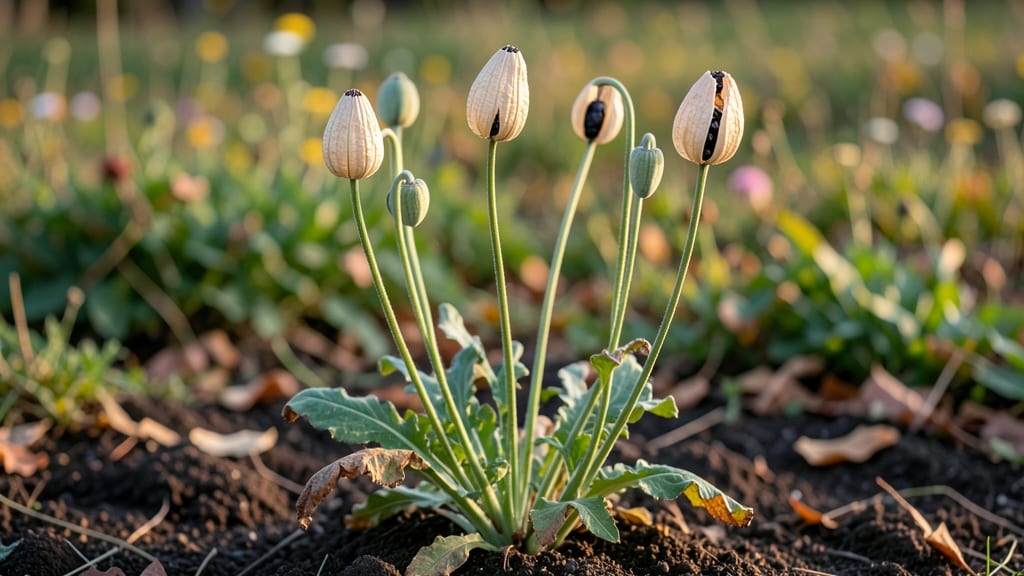
Saving oriental poppy seed pods transforms your garden into a self-sustaining treasure trove. 🌸 The dry-and-store method preserves seeds for years while giving you free plants for next season—no nursery needed. I’ve learned the hard way that timing and technique make all the difference between viable seeds and dusty disappointment.
These dramatic, papery pods form after blooms fade, but they need patience and the right conditions. Plant in full sun with well-draining soil, water lightly once established, and avoid over-fertilizing—too much nitrogen means fewer pods.
The key is letting nature take its course; interference often backfires. By mid-summer, you’ll spot those iconic seed heads forming, signaling success.
When pods turn brown and crispy (usually late summer), harvest them on a dry day. Shake out seeds into a paper bag, then store in a cool, dark place for up to three years.
The first time I saw fresh seedlings emerge from last year’s saved seeds, I knew I’d cracked the code—no more buying expensive plants. Your garden will thank you for the cycle.
This method works for both gardeners and decorators: dried pods add texture to winter arrangements, while saved seeds ensure your poppies return year after year. Perfect for those who love low-maintenance beauty with high rewards. Let’s get those seeds ready for next spring’s showstopper blooms.
📚 In This Guide
- What you need
- Instructions
- Tips and common mistakes
- Wrapping up and next steps
What you need
- ● Mature oriental poppy seed pods: Harvest when they’re fully dry, brown, and beginning to split open naturally (aim for late summer to early fall).
- ● Sharp pruning shears or scissors: A pair with clean, sharp blades to avoid crushing the delicate pods.
- ● Newspaper or brown paper bags: 2–3 medium-sized bags (12x15 inches) for drying and storage.
- ● Twine or rubber bands: To secure bags and prevent seeds from spilling.
- ○ Cardboard or a seed tray: Optional but helpful for spreading pods out to dry evenly.
- ● Small mesh bags or envelopes: For long-term storage (e.g., breathable organza bags or paper envelopes).
- ● Labeling tags or masking tape + marker: To label pods by variety and harvest date.
- ● Desiccant packets (silica gel): Place 1–2 in storage bags to absorb excess moisture.
- ● Fine-mesh sieve or colander: For separating seeds from chaff after pods fully dry.
- ● Plastic or glass airtight containers: For storing seeds after they’re fully dried and cleaned.
- ● Hand lens or magnifying glass: To inspect pods for pests or mold before storage.
- ● Humidity monitor: If storing in a damp climate, aim for below 40% humidity for optimal seed viability.
How to dry and store oriental poppy seed pods for next season
Here's my foolproof method for harvesting, drying, and storing poppy seed pods so you can grow these stunning blooms year after year.
🌱 Step 1: Harvest Ripe Seed Pods at the Right Time
Wait until the poppy blooms fade and the seed pods turn from green to a papery brown color. You'll see them split open slightly at the top—this is your cue that they're ready. I like to harvest on a dry morning after the dew has evaporated, as wet pods can develop mold during drying.
Gently twist each pod at the base to remove it from the stem. Be careful not to squeeze the pods—they're delicate and can crack open prematurely, spilling seeds everywhere. Place them in a single layer on a clean, dry surface like a baking sheet lined with paper towels.
💧 Step 2: Dry the Pods Thoroughly in a Controlled Environment
Find a warm, dry spot with good airflow—like a sunny windowsill or a well-ventilated room at 70-75°F. Avoid direct sunlight, which can overheat the pods and cause them to dry too quickly. I usually leave them for 2-3 weeks until they feel completely dry and papery to the touch.
Check daily for any pods that might have cracked open. If you find any, remove the seeds immediately and store them separately. The drying process is complete when the pods rattle when shaken—that's your signal they're ready for storage.
⏰ Step 3: Store the Dried Pods Properly for Long-Term Viability
Once fully dry, place the pods in a breathable container like a small mesh bag or an envelope made from acid-free paper. I like to label each container with the variety and harvest date—poppy seeds can stay viable for 3-5 years if stored correctly.
Store the container in a cool, dark place like a pantry or seed drawer. Avoid refrigeration unless your home gets very humid, as moisture can still cause problems. Check the pods every 6 months to ensure they haven't developed moisture or mold.
🌿 Step 4: Extract Seeds When Ready to Plant Next Season
When you're ready to plant, gently squeeze each dried pod to release the seeds. You'll hear a soft popping sound as the seeds fall out. I like to do this over a clean sheet of paper so I can easily collect any stray seeds that might fall.
Poppy seeds are tiny, so a fine-mesh strainer can help separate them from any chaff or debris. Plant them ¼ inch deep in well-draining soil and keep the soil lightly moist until germination, which usually takes 10-14 days.
Tips & tricks for perfect oriental poppy seed pod preservation
Here's what nobody tells you about keeping those delicate pods in top condition—trust me, these little details make all the difference.
Harvesting Precision: The papery brown color is your golden cue, but don't wait too long—the pods will split open naturally and spill seeds. I harvest on dry mornings because damp pods develop mold during drying. If you must harvest after rain, spread them out immediately under a fan to speed up evaporation before starting the drying process.
Drying Environment Secrets: That 70-75°F range is perfect for even drying without overheating. I place my pods on a mesh screen over a baking sheet to allow airflow from both sides. If your kitchen gets humid, consider using a small fan on low setting to maintain consistent airflow. The pods are ready when they rattle like tiny drums—this tells me they're completely dry and safe for storage.
Storage Container Wisdom: Breathable containers are key—plastic bags trap moisture and shorten viability. I use small mesh bags because they let any residual moisture escape while keeping pests out. For extra protection, place a small silica gel packet inside the container to absorb any lingering humidity. Labeling with the variety and harvest date helps me track which seeds are freshest for planting.
Seed Extraction Technique: When it's time to plant, I squeeze the pods over a clean sheet of paper rather than directly into my hand. The seeds are so tiny that even a gentle breeze can scatter them. Using a fine-mesh strainer afterward helps separate the seeds from any chaff or debris, giving me a clean planting medium. The popping sound when seeds release is my favorite part—it's like nature's fireworks!
Pro Tips for Oriental Poppy Seed Pods
- Here's what nobody tells you about keeping those delicate pods in top condition—trust me, these little details make a...
- Harvesting Precision: The papery brown color is your golden cue, but don't wait too long—the pods will split open nat...
- Drying Environment Secrets: That 70-75°F range is perfect for even drying without overheating. I place my pods on a m...
Frequently asked questions
Got questions about saving oriental poppy seed pods?
Here are some common ones—and their answers—to help you master the dry-and-store method like a pro!
When is the best time to harvest oriental poppy seed pods?
Harvest pods when they’re fully dry and brown but before they split open—usually late summer to early fall. If pods crack too soon, seeds scatter. Wait until morning dew dries for easier handling. Pro tip: Gently tap pods—if seeds rattle inside, they’re ready!
How long can I store dried oriental poppy seed pods?
With proper drying (1–2 weeks in a cool, dark, well-ventilated spot) and storage in airtight containers, pods stay viable for 1–2 years. Label containers with the harvest date to track freshness. Avoid humidity—mold ruins seeds faster than time!
What if my pods mold or get bugs?
Mold or pests mean failed storage. Prevent issues by:
- Drying pods thoroughly (no dampness).
- Using food-grade silica packets in containers.
- Freezing pods for 24 hours (kills eggs/larvae) before storing.
Can I use oriental poppy seed pods for anything other than seeds?
Beyond seeds, dried pods add:
- Decorative texture to dried flower arrangements.
- Culinary garnishes (poppy seeds!) for baked goods or salads.
- DIY crafts like wreaths or potpourri bases.
Are there alternatives if I can’t find oriental poppy pods?
Try these similar seed-saving pods:
California Poppy
Bright orange, drought-tolerant, but seeds are smaller.
Cornflower
Blue/purple, easy to dry, but shorter storage life.
Flax (Linseed)
Edible seeds, but pods require mechanical processing.
Wrapping up and next steps
Saving oriental poppy seed pods for year-round use is simpler than you think—and the rewards are endless! 🌱 Whether you’re aiming for vibrant blooms next season or crafting homemade treats, mastering the dry-and-store method ensures you’ll always have fresh seeds at your fingertips.
Start small, experiment with your pods, and soon you’ll be a pro at harvesting, drying, and storing like a seasoned gardener.
Ready to take the next step? Plant a few pods this fall and watch your garden (or kitchen) transform! 🌿 Try the method today and share your success—happy saving!