
Lawn
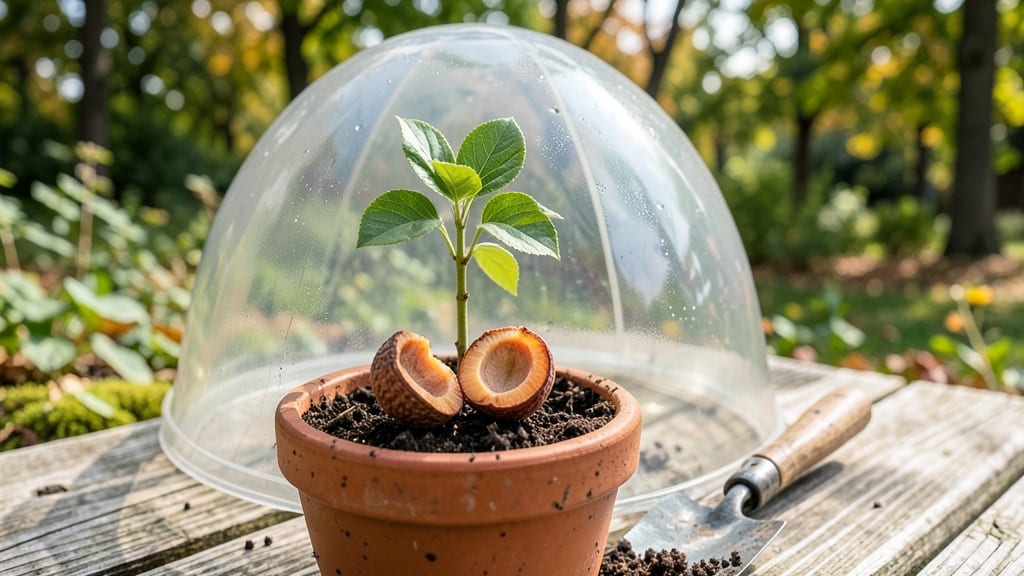
Planting peach pits might feel like a gamble—until you crack the code on peach pit seed planting with these reliable steps. 🌱 I’ve turned dozens of pits into thriving seedlings by mimicking nature’s timing, and you can too.
The secret lies in breaking dormancy the right way, not just sticking a pit in soil and hoping. Most pits need 3-6 months of cold treatment (stratification) before they’ll sprout, but a quick scarification trick speeds things up.
After that, well-draining soil and 6-8 hours of sunlight daily keep seedlings strong. The first true leaves appear in 4-8 weeks—if you’ve done everything right, you’ll see them before summer’s end. What starts as a stubborn little pit becomes a 5-foot tree in just a few years.
The real magic? Watching those fuzzy catkins bloom in spring, knowing you grew it from a grocery store peach. Patience pays off—these trees fruit in 3-5 years, and the first harvest tastes sweeter than any store-bought peach. For beginners, the biggest hurdle is waiting.
But with the right prep, you’ll skip the guesswork. Here’s exactly how to turn those pits into plants that last.
📚 In This Guide
- What you need
- Instructions
- Tips and common mistakes
- Wrapping up and next steps
What you need
- ● Fresh peach pits: 1–3 pits (from organic, non-hybrid peaches—avoid store-bought pits treated to prevent sprouting).
- ● Well-draining potting soil: 1 small pot (4–6 inches deep) or a seed-starting tray with drainage holes.
- ● Water: Room-temperature, filtered or rainwater (to avoid chlorine).
- ● Plastic wrap or humidity dome: To create a mini greenhouse effect.
- ○ Paper towel or damp cloth: For cold stratification (optional but recommended for faster germination).
- ● Label or marker: To track planting dates (trust us, you’ll forget!).
- ● Seedling heat mat: Speeds up germination if your home is chilly.
- ● Fertilizer (balanced, 10-10-10 or compost): Once sprouts emerge (use sparingly!).
- ● Grow lights or sunny windowsill: For consistent light exposure after germination.
- ● Pruning shears: For trimming future growth (not needed yet, but handy later!).
Step-by-Step instructions for growing peach trees from pit seeds
Here's my tried-and-true method for coaxing those stubborn peach pits into sturdy young trees.
🌱 Step 1: Prepare the Pits for Planting
Start by cleaning your fresh peach pits thoroughly—scrub off all remaining fruit flesh with warm water and let them dry completely for 24 hours. This prevents mold and rot during germination. I like to place them on a paper towel in a single layer while they dry.
Once dry, place each pit between two damp paper towels in a sealed plastic bag. Store them in a warm spot—70-75°F works best—where they'll stay consistently moist but not soggy. Check them daily and mist with water if the towels dry out. You'll see tiny roots and a sprout within 4-6 weeks.
💧 Step 2: Plant the Germinated Pits
When you see a ½-inch root and a small sprout, it's time to plant. Fill small pots—3-4 inches deep—with a mix of 50% potting soil and 50% perlite for excellent drainage. Make a small hole about 1 inch deep and place the pit with the root pointing downward.
Cover it lightly with soil, leaving the sprout exposed. Water gently until moisture seeps from the bottom of the pot. Place the pots in a sunny windowsill or under a grow light for 12-14 hours daily. Keep the soil consistently moist but never waterlogged—peach seedlings hate soggy roots.
☀️ Step 3: Transplant and Care for Young Seedlings
After 4-6 weeks, when your seedlings reach 6-8 inches tall with several leaves, it's time to transplant them into larger containers—6-inch pots this time. Use the same soil mix and plant at the same depth as before. This prevents stem rot, which can kill young peach trees overnight.
Move the seedlings outdoors only after the last frost date when nighttime temperatures stay above 50°F. Start by placing them in a sheltered spot for 2-3 hours daily, gradually increasing their time outside over 10-14 days. This process, called hardening off, helps them adjust to outdoor conditions without shock.
⏰ Step 4: Maintain and Monitor Growth
Once outdoors, keep the soil consistently moist but avoid overwatering. Peach trees need full sun—6+ hours daily—so choose a sunny location. You'll notice new leaves forming within 2-3 weeks of transplanting, signaling healthy growth. Fertilize lightly with a balanced 10-10-10 fertilizer every 6-8 weeks during the growing season.
Watch for pests like aphids or spider mites, which can attack young seedlings. If you spot any, use a gentle insecticidal soap spray to keep them under control. With patience, your peach tree will start producing fruit in 5-7 years, though the first few years are all about building a strong root system and trunk.
Tips & tricks for peach pit seed planting
Real talk: Germinating peach pits takes patience, but these small tweaks make all the difference between success and disappointment.
Temperature Matters: That 70-75°F range is critical for germination—any cooler and roots grow sluggishly, any warmer and mold becomes a risk. I use a seedling heat mat set to 72°F under my germination bags for consistent results. If your home runs cooler, place the bag near a sunny window or under a grow light to maintain warmth.
The Technique That Changed Everything: When checking your pits in Step 1, don't just peek—gently press the seed coat. If it gives slightly, the root is ready to emerge. I also recommend using clear plastic bags so you can see root development without disturbing them. This visual cue helps you know exactly when to plant, rather than guessing based on time alone.
Common Mistake Fix: If your sprouts appear but the roots stay tiny, you're likely overwatering. The paper towels should feel damp, not soaked. I've ruined multiple batches by keeping them too wet—just mist lightly every other day instead of daily. For Step 2, the soil mix should drain freely; if water pools in the pot, add more perlite to improve aeration.
Make-Ahead Strategy: You can prep your pits up to 2 weeks in advance by storing them dry in the refrigerator. When ready to germinate, simply remove them from cold storage and place them between damp paper towels as directed. The cold pause actually improves germination rates by mimicking winter dormancy, which peach seeds experience naturally.
Pro Tips for Peach Pit Seed Planting
- Real talk: Germinating peach pits takes patience, but these small tweaks make all the difference between success and ...
- Temperature Matters: That 70-75°F range is critical for germination—any cooler and roots grow sluggishly, any warmer ...
- The Technique That Changed Everything: When checking your pits in Step 1, don't just peek—gently press the seed coat....
Frequently asked questions
Got questions about growing peach trees from pits? You’re not alone!
Here are some of the most common queries—plus straightforward answers to help you succeed.
How long does it take for a peach pit to sprout?
A peach pit typically takes 4–12 weeks to germinate indoors, depending on moisture, warmth, and soil conditions. Once planted outdoors, seedlings may take 1–2 years to bear fruit. Patience is key—consistent care speeds up the process!
Can I plant a peach pit directly in the ground without soaking it first?
While possible, soaking the pit for 24–48 hours before planting improves germination rates by softening the hard shell. If you skip this step, expect slower or uneven sprouting. Cold stratification (refrigeration for 2–3 months) can also help mimic winter conditions.
Will a peach tree grown from a pit taste the same as the parent fruit?
Probably not! Store-bought peaches are often hybrids bred for flavor, size, and disease resistance. A seed-grown tree may produce smaller, less predictable fruit with different taste. For consistent results, graft a named cultivar onto your seedling later.
Why did my peach pit rot instead of sprouting?
Overwatering or poor drainage are the top culprits. Ensure your pit has well-draining soil and only water when the top inch feels dry. If mold appears, reduce moisture and improve airflow. A healthy pit should stay firm—not mushy!
What’s the best alternative if my peach pit won’t germinate?
Try these three reliable backups:
- Buy a grafted peach tree from a nursery (faster fruit production).
- Plant other stone fruit pits (e.g., plums or apricots)—they’re easier to germinate.
- Start with avocado pits (a classic beginner project!).
Wrapping up and next steps
Planting peach pits is a rewarding journey that connects you to nature’s cycle—and yes, those tiny seeds can grow into lush peach trees! 🌱 With patience, the right conditions, and a little care, you’ll soon watch your sprouts emerge, ready to thrive.
Ready to take the next step? Start with just one pit today—your future peach harvest begins now!