
Lawn
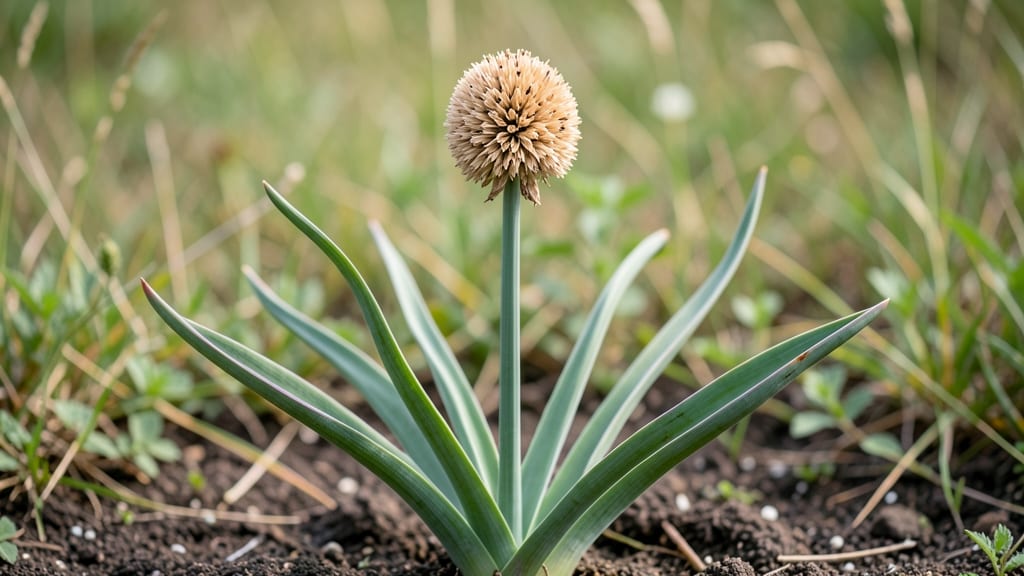
Harvesting wild onion seed heads before they twist into the wind preserves your best plants for next year's garden. 🌱 The key moment arrives when the seed pods turn from green to papery brown—usually in late summer—but you must act fast before they scatter seeds everywhere.
I learned this the hard way when my wild onions spread uncontrollably. Now I collect the seed heads by hand, twisting them off cleanly while still attached to the stalk.
This simple technique ensures you capture the most viable seeds for planting, while also preventing unwanted volunteers from popping up where you don’t want them. Once collected, let the seed heads dry completely indoors before gently crushing them to release the tiny black seeds.
A single head yields hundreds of seeds, giving you plenty to sow for a naturalized lawn or garden border that thrives with minimal care. The payoff comes next spring when your wild onions return stronger and more abundant than ever.
Perfect for gardeners who want low-maintenance greens that spread naturally without taking over—just like nature intended.
📚 In This Guide
- What you need
- Instructions
- Tips and common mistakes
- Wrapping up and next steps
What you need
- ● Wild onion seed heads: 5–10 mature, brownish seed pods (harvest when they’re fully dry but before they shatter).
- ● Pruning shears or sharp scissors: For cleanly snipping seed heads without damaging the plant.
- ● Paper bag or breathable fabric sack: A small, lightweight bag (8x10 inches) to collect seeds and prevent moisture buildup.
- ● Labeling tags or masking tape: To mark seed bags with the harvest date and variety (if applicable).
- ● Flat, dry storage container: A shallow box or envelope for long-term seed storage (e.g., a mason jar with a lid).
- ○ Optional but helpful: Gloves (nitrile or cotton) to protect hands from sap or rough stems.
- ● A small hand lens (magnifying glass) to inspect seed viability.
- ● Desiccant packets (for storage) to absorb excess moisture.
- ● Knowledge of wild onion identification (to avoid toxic look-alikes like death camas).
- ● Access to a wild onion patch (or permission to harvest from public/private land).
- ● Dry, warm weather (ideal for harvesting—avoid damp conditions to prevent mold).
How to harvest wild onion seed heads without breaking them
Here's the gentle method I use to collect seeds without snapping those stubborn stems.
🌱 Step 1: Identify Mature Seed Heads
Look for seed pods that have turned from green to tan or brown—this means they're fully mature and ready for harvest. The pods should feel dry to the touch and open slightly when gently squeezed. If they're still green, wait 3-5 more days for full maturity.
I like to harvest on a dry, sunny morning when the dew has evaporated. This prevents moisture from weakening the stems as I work. Avoid harvesting after rain, as wet stems are far more likely to snap when twisted.
✂️ Step 2: Prepare Your Tools
You only need two things: a pair of clean, sharp pruning shears and a small paper bag or envelope for seed collection. I use bypass pruners because they make clean cuts without crushing the stems. Dull tools will tear the plant, making seed collection messy and reducing viability.
Lay your bag or envelope nearby so you can catch seeds as they fall. If you're working with multiple plants, keep a second bag handy to avoid mixing seed varieties. I label each bag with the date and plant type to track maturity.
🌿 Step 3: Harvest the Seed Heads Gently
Hold the seed head firmly with one hand while using your other hand to twist the stem slowly at the base. The key is to rotate clockwise first, then counterclockwise—this loosens the root without snapping. You'll hear a soft pop when it's ready to pull free.
If the stem resists, don't force it. Instead, cut the stem about 2 inches below the seed head with your pruners. This prevents the plant from wasting energy on a damaged root system. Place the seed head in your bag immediately to avoid dropping seeds.
🪴 Step 4: Dry and Store Seeds Properly
Spread the seed heads on a clean, dry paper towel in a single layer. Let them dry in a warm, dry place (around 70-75°F) for 1-2 weeks. The pods will shatter easily once fully dry—this is your signal they're ready for processing.
Once dry, gently rub the pods between your fingers over the paper towel to release the seeds. Store them in a small envelope or airtight container in a cool, dark place. Properly stored, wild onion seeds remain viable for 2-3 years, though I always label them with the harvest year to avoid confusion.
⏰ Step 5: Clean Up and Plant for Next Season
After harvesting, compost any remaining plant debris to return nutrients to the soil. If you saved a few extra seed heads, you can plant them directly in the fall for an early spring harvest. The seeds self-sow easily, but controlled planting ensures healthier, more uniform growth.
I like to mark the area where I harvested with a small stake so I remember where the seeds came from. This helps me plan next year's garden layout and avoid overcrowding. With this method, you'll have fresh wild onion seeds ready for planting by spring—no store-bought packets needed!
Tips & tricks for perfect wild onion seed harvesting
These little details make all the difference when you're working with delicate wild onion plants.
Timing is Everything: The 3-5 day window for full maturity is critical—those tan or brown pods need to be completely dry. I've learned the hard way that harvesting too early means immature seeds that won't germinate properly. Check pods by gently squeezing them; they should feel papery and open slightly. The dry, sunny morning timing isn't just about avoiding dew—it's about working with the plant's natural rigidity when moisture levels are optimal.
Tool Selection Matters: Don't underestimate the importance of bypass pruners. Regular pruning shears can crush stems, making seed collection messy and reducing viability. I keep a small pair dedicated just for seed harvesting, and always sharpen them before the season begins. For those stubborn stems that resist twisting, having clean pruners means you can make that 2-inch cut cleanly without tearing the plant tissue.
Drying Strategy: That 70-75°F drying temperature range is perfect for balancing speed and seed quality. I use a seed drying screen over my kitchen counter near a sunny window—just make sure there's good airflow. If you live in a humid climate, consider using a small fan on low setting to circulate air. The pods should shatter easily when fully dry, which is your cue they're ready for processing. This typically takes about 10-14 days in average conditions.
Storage Wisdom: The 2-3 year viability window is why proper storage matters so much. I use small glass vials with tight-sealing lids for my seed collection, storing them in the vegetable crisper of my refrigerator. The cool, dark environment slows down seed aging. Always label your containers with both the plant type and harvest year—next spring you'll be grateful you didn't mix up your wild onion seeds with your chives!
Pro Tips for Wild Onion Seed Head
- These little details make all the difference when you're working with delicate wild onion plants.
- Timing is Everything: The 3-5 day window for full maturity is critical—those tan or brown pods need to be completely ...
- Tool Selection Matters: Don't underestimate the importance of bypass pruners. Regular pruning shears can crush stems,...
Frequently asked questions
about harvesting wild onion seed heads—here’s what you need to know before diving in!When is the best time to harvest wild onion seed heads?
Harvest seed heads when they’re fully brown and dry but before they shatter or release seeds naturally. This usually happens in late summer to early fall, depending on your climate. Wait too long, and you’ll miss the harvest window!
Can I replant wild onion seeds from the seed head?
Collect mature seeds from the dried seed head, store them in a cool, dry place, and plant them next spring. Wild onions thrive in disturbed soil, so scatter seeds lightly over prepared garden beds or lawn edges for natural regrowth.
What if my wild onion seed head twists or snaps before I harvest?
Twisting is normal—it’s the plant’s way of releasing seeds. To prevent this, harvest early when heads are still firm but dry. Cut the entire stalk (about 6 inches below the seed head) and hang it upside down in a paper bag to dry fully before shaking out seeds.
Are there alternatives if I can’t find wild onion seed heads?
Yes! Try purchasing wild onion seeds from nurseries or online retailers. Varieties like Allium canadense or Allium vineale are great substitutes. If foraging isn’t an option, even store-bought garlic or chive seeds can help establish a similar look.
Will harvesting seed heads kill the wild onion plant?
Not necessarily! If you cut the seed head but leave the green foliage intact, the plant may still recover and regrow next year. However, if the entire plant is small or weak, harvesting seeds may reduce its vigor—balance your needs with the plant’s health.
How long do wild onion seeds stay viable for replanting?
Wild onion seeds typically remain viable for 1–2 years if stored properly in a cool, dark, and dry place (like a sealed container). For best results, replant them as soon as possible after harvest for the highest germination rates.
Wrapping up and next steps
Harvesting wild onion seed heads with care ensures a bountiful crop next season while keeping your lawn thriving! 🌱 By using simple tools like gloves, scissors, and seed envelopes, you’ve mastered a sustainable technique that protects seeds from twisting—guaranteeing viability.
This small effort now means fresh, homegrown wild onions for years to come.
Ready to put your new skills to work? Mark your calendar for late summer or early fall—when those seed heads are ripe and ready—and gather your supplies. Happy harvesting, and may your lawn (and your future meals) be even greener! 🌿