
Planting
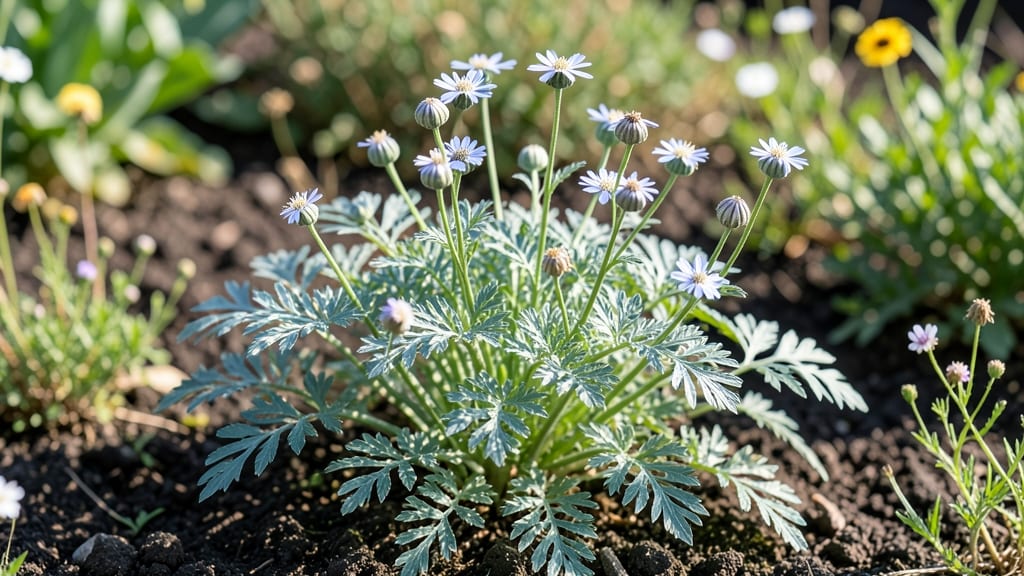
Growing black cumin seeds (Nigella sativa) unlocks a plant that thrives with minimal fuss but delivers year-round harvests of fragrant, edible seeds. 🌱 I've grown mine in containers and garden beds—it's surprisingly adaptable—producing delicate white flowers that self-seed prolifically if you let them.
The real magic? Those tiny black seeds pack a punch in flavor and health benefits, and the plants handle neglect better than most herbs.
This plant loves full sun (at least 6 hours daily) and tolerates poor soil, making it perfect for rocky spots or containers. Start seeds indoors 8-10 weeks before your last frost, or sow directly in spring after soil warms to 55°F.
The secret to twist-free viability? Consistent moisture without soggy soil—think "damp sponge" rather than "waterlogged swamp." You'll harvest seeds in 90-120 days, with plants often reseeding themselves for next year's crop.
What makes black cumin special is how versatile it is—use the seeds in cooking, teas, or even as a natural remedy. The plants stay compact (12-18 inches tall), so they won't crowd neighbors, and they're drought-tolerant once established.
Just watch for aphids (spray with soapy water) and avoid overwatering, which causes the seeds to split before maturity. The first harvest is always the most exciting—those tiny seeds are packed with flavor and potential.
Whether you're growing for culinary uses, medicinal benefits, or just the joy of watching delicate flowers pop up everywhere, black cumin is a low-maintenance superstar. Start with just a few plants—you'll want more by summer's end.
The key is patience; the rewards come in those little black seeds that do so much. Ready to grow yours?
📚 In This Guide
- What you need
- Instructions
- Tips and common mistakes
- Wrapping up and next steps
What you need
- ● Black cumin seeds – 100–200 seeds (organic, non-GMO preferred for best viability).
- ● Containers or garden beds – 5–6 inch deep pots (for indoor/container gardening) or a sunny, well-draining outdoor plot (6+ hours of sunlight daily).
- ● High-quality potting mix – Well-draining, slightly sandy loam (avoid heavy clay). Add perlite or vermiculite (10–20%) for aeration.
- ● Watering can or spray bottle – Fine mist setting for seedlings.
- ● Fertilizer – Balanced organic fertilizer (10-10-10 NPK) or compost tea (diluted to half-strength).
- ● Pruning shears – Sharp, sterilized for trimming.
- ○ Grow lights (optional) – LED full-spectrum, 12–16 hours/day if indoor gardening lacks sunlight.
- ● Temperature – Ideal: 60–85°F (15–29°C). Avoid frost (<32°F/0°C).
- ● Humidity – Moderate (40–60%). Use a humidity tray if indoors feels dry.
- ● Sunlight – Full sun (6+ hours) is a must—black cumin is a sun-loving plant!
- ● Soil pH – Slightly alkaline to neutral (7.0–7.8). Test with a pH kit if needed.
- ● 🔥 Pre-soak seeds for 4–6 hours in warm water to boost germination.
- ○ 🌡️ Use a heat mat (optional) if your space stays below 65°F (18°C) for faster sprouting.
- ● ✨ Rotate pots weekly for even sunlight exposure if indoors.
Step-by-Step guide to growing a viable black cumin seed plant
Here's how to cultivate this aromatic plant successfully—no twisting stems or seed loss required.
🌱 Step 1: Select and Prepare the Right Growing Medium
Black cumin thrives in well-draining soil with a slightly alkaline pH of 7.0-7.5. I mix equal parts of sandy loam and compost to create a loose, airy medium that prevents root rot while retaining enough moisture for germination. Avoid garden soil—it compacts too easily and suffocates delicate roots.
Fill 4-inch pots with your prepared mix, leaving ½ inch of space at the top for watering. Tap the pots gently on the table to settle the soil without compacting it. The goal is a texture that crumbles easily between your fingers—like damp sandcastle material. This ensures roots can spread freely without resistance.
☀️ Step 2: Plant Seeds at Optimal Depth and Spacing
Sow 2-3 seeds per pot at a depth of ¼ inch—about twice the diameter of the seed. Planting too deep delays germination because the seedling must push through more soil to reach light. I use a toothpick to make small holes, then place seeds gently inside with tweezers to avoid bruising.
Space seeds 1 inch apart within the pot. This prevents overcrowding later, which leads to weak stems and poor seed production. Cover lightly with a thin layer of additional soil mix, then mist the surface with a spray bottle until evenly damp. Avoid soaking the soil—black cumin seeds rot quickly in waterlogged conditions.
💧 Step 3: Provide Consistent Moisture and Warmth
Place pots in a location with warmth of 70-75°F—a sunny windowsill or under a grow light works well. Black cumin seeds germinate best in these conditions, typically within 7-14 days. I cover the pots with a clear plastic dome or wrap to retain humidity, but remove it immediately once sprouts appear to prevent fungal growth.
Water when the top inch of soil feels dry to the touch. Stick your finger in the soil—if it comes out clean, it's time to water. Overwatering is the fastest way to kill seedlings, so I use a small watering can with a fine rose to deliver moisture directly to the soil without disturbing the seeds.
✂️ Step 4: Thin Seedlings and Support Growth
Once seedlings reach 2 inches tall, thin to the strongest plant per pot by snipping the weaker stems at the base with clean scissors. This reduces competition for nutrients and encourages the remaining plant to develop a sturdy, branching structure. I always keep the pot in the same location to avoid transplant shock.
After thinning, move the plant to a spot with 6-8 hours of sunlight daily. Black cumin plants grow 12-24 inches tall and benefit from occasional pinching of the top growth to promote bushier growth. Use your fingers to gently pinch off the top set of leaves when the plant reaches 6 inches—this triggers lateral branching and more seed production.
🪴 Step 5: Harvest and Maintain for Year-Round Viability
Harvest seeds when the pods turn brown and dry—typically 90-120 days after planting. I use a small mesh bag to collect fallen seeds daily to prevent loss. The plant continues producing seeds for months, so regular harvesting keeps it productive. Store seeds in an airtight container in a cool, dark place for up to 2 years.
To extend the plant's life, cut back ⅓ of the foliage after the first harvest. This encourages new growth and another round of seed production. With proper care, a single black cumin plant can provide seeds for multiple harvests throughout the growing season, making it a highly efficient crop.
Tips & tricks for thriving black cumin seed plants
These insider strategies will help you avoid common pitfalls and maximize your aromatic harvest.
Soil pH Precision: While the instructions specify a slightly alkaline pH of 7.0-7.5, I've found that adding a pinch of crushed eggshells to your sandy loam mix boosts calcium levels naturally. This subtle adjustment strengthens cell walls, helping plants better resist the twisting stems you're trying to avoid. Test your soil's pH with a kit before planting—if it's below 7.0, add a small amount of wood ash (½ teaspoon per pot) to raise it gently. The goal is consistency across all pots to ensure uniform growth.
Germination Environment: The 70-75°F warmth requirement is critical, but don't overlook humidity control during those first 14 days. While the plastic dome helps retain moisture, I've discovered that placing a small tray of water near the pots creates a microclimate with 60-70% humidity—ideal for germination. Monitor condensation on the dome daily; if it disappears completely, add a few ice cube-sized water droplets to the soil surface. This mimics the plant's natural tropical habitat without risking fungal issues.
Light Transition Strategy: When moving your 2-inch seedlings to 6-8 hours of sunlight (Step 4), I recommend a gradual transition over 5-7 days. Start with 2 hours of direct light, then add 1 hour each subsequent day. This hardening-off period prevents sunburn on tender leaves. For indoor growers, supplement with a full-spectrum LED bulb that mimics natural light—black cumin responds well to the blue spectrum (6500K) which promotes sturdy stem development. Position the light 6-12 inches above the plants to match outdoor sunlight intensity.
Harvest Timing Nuance: The 90-120 day window for seed maturity is a guideline, but I've learned to watch for these specific visual cues: pods should turn from green to a uniform brown color, and when gently squeezed, they should feel papery rather than leathery. For year-round viability, harvest pods in batches—collect 20% of mature pods every 10 days. This staggered approach maintains plant productivity while ensuring you capture seeds at peak freshness. Store harvested pods separately from whole seeds to prevent moisture transfer that could shorten shelf life.
Pro Tips for Black Cumin Seed Plant
- These insider strategies will help you avoid common pitfalls and maximize your aromatic harvest.
- Soil pH Precision: While the instructions specify a slightly alkaline pH of 7.0-7.5, I've found that adding a pinch o...
- Germination Environment: The 70-75°F warmth requirement is critical, but don't overlook humidity control during those...
Frequently asked questions
about growing and maintaining a black cumin seed plant—because even the hardiest gardeners need a little clarity!How long does it take for black cumin seeds to mature after planting?
Black cumin plants typically take 90–120 days to reach maturity from seed germination, depending on climate and care. In warmer regions (like zones 7–10), you might harvest as early as 80 days, while cooler areas may extend this to 130 days. Watch for seed pods to turn brown and dry—this is your cue!
Can I grow black cumin indoors, or is it strictly an outdoor plant?
While black cumin thrives outdoors with full sun, you can grow it indoors with a south-facing window or under grow lights (12+ hours/day). Use a 5–6 inch pot with well-draining soil and keep temps above 60°F (15°C). Just expect smaller yields—outdoor plants produce 2–3x more seeds!
Why are my black cumin leaves turning yellow? What’s wrong?
Yellowing leaves usually signal overwatering, nutrient deficiency, or fungal issues. Check soil moisture—black cumin prefers moderate water (let the top inch dry between waterings). If leaves curl or spot, reduce humidity and avoid wetting foliage. A balanced fertilizer (10-10-10) every 4–6 weeks can also help!
What’s the best temperature range for black cumin seed viability?
Black cumin seeds germinate best at 60–85°F (15–29°C), with optimal growth in 70–80°F (21–27°C). They tolerate light frosts but avoid planting until soil temps are at least 50°F (10°C). In hot climates (>90°F/32°C), provide afternoon shade to prevent stress.
Can I save and replant black cumin seeds from my harvest?
Store dried seeds in a cool, dark place
(like a sealed jar) for up to 2 years—they retain viability well. For replanting, soak seeds overnight to speed germination. Pro tip: Mix with sand before sowing to improve airflow and prevent mold!
Wrapping up and next steps
The black cumin seed plant is a resilient, rewarding addition to any garden—offering year-round viability with minimal fuss! Whether you’re a seasoned gardener or a curious beginner, its adaptability and health benefits make it a standout choice.
Start small, experiment with your setup, and soon you’ll be enjoying a twist-free, abundant harvest.
🌱 Ready to dive in? Pick your spot, gather your supplies, and plant your first seeds today—your future self (and taste buds!) will thank you. Happy growing! 🌿