
Size
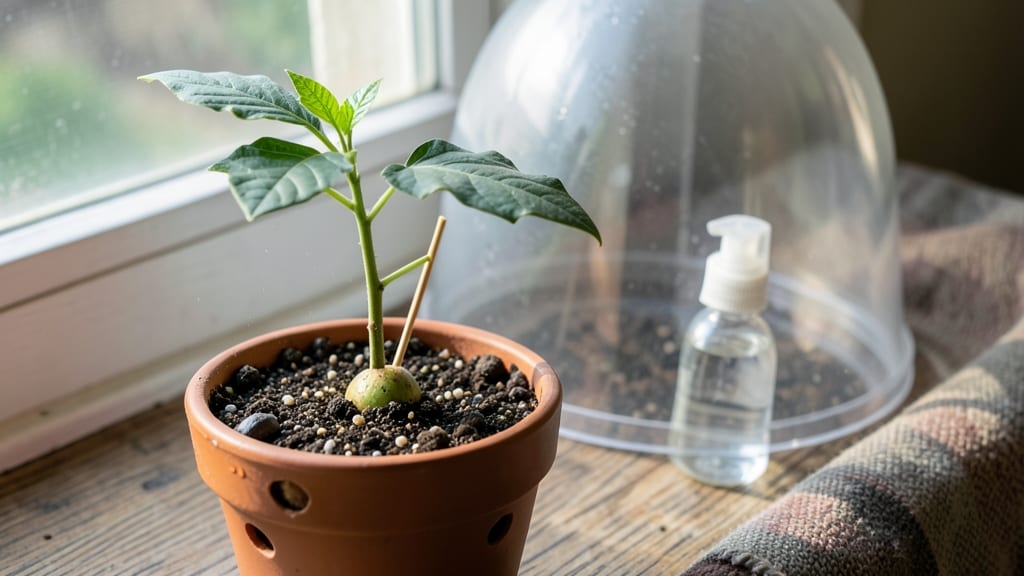
Growing an avocado seed in dirt feels like nurturing a tiny miracle—especially when you see those first bright green leaves unfurl after weeks of waiting. 🌱 The key is patience, because this isn’t a race; it’s a slow, rewarding journey that turns a kitchen scrap into a lush houseplant (or even a tree, with time).
Most people give up after the seedling stage, but sticking with it through the first year transforms that pit into a thriving, tropical-looking centerpiece.
You’ll need just three things: a pot with drainage, well-draining soil mix (think cactus or potting blend), and a seed that’s been prepped right—no shortcuts. The secret? Planting the seed at the right depth (about 1 inch below soil) and keeping it consistently moist, not soggy.
Too much water drowns the roots; too little stalls germination. I’ve seen seeds sprout in 2-8 weeks—some never make it, but the ones that do reward you with stubborn, glossy leaves.
By month three, you’ll watch the seedling grow into a 3-foot-tall plant with feathery fronds, perfect for brightening any room. The real magic happens when it flowers (yes, even indoors!), though that takes years.
Even if it never fruits, the journey is worth it—imagine explaining to guests that you grew this from a grocery store pit. The hardest part? Resisting the urge to overwater once those leaves appear.
Pro tip: Rotate the pot weekly so the plant grows straight, not lopsided. And if you’re growing multiple seeds, space them 6 inches apart—they’ll compete for light and nutrients.
The first year is all about survival; after that, you’re building a tropical escape hatch for your home. Ready to start?
📚 In This Guide
- What you need
- Instructions
- Tips and common mistakes
- Wrapping up and next steps
What you need
- ● Avocado Pit: A fresh, firm avocado seed (preferably from a Hass avocado for best results).
- ● Toothpicks or Skewers: 3-4 wooden toothpicks or small skewers (for suspending the seed).
- ● Glass or Jar: A clean, wide-mouthed glass or jar (at least 8-12 inches tall) to hold water.
- ● Water: Room-temperature tap water or filtered water (enough to submerge 1-2 inches of the seed).
- ● Potting Soil: Well-draining, nutrient-rich potting mix (avoid garden soil—it can compact and suffocate roots). Quantity: ~1 gallon for a small pot (6-8 inches in diameter).
- ● Small Pot or Container: A drainage pot with holes (6-8 inches in diameter) or a repurposed container like a yogurt cup with drainage holes poked in the bottom.
- ○ Spray Bottle: For misting the seedling (optional but helpful for humidity).
- ● Knife or Peeler: To carefully remove the avocado flesh from the seed.
- ● Scissors or Pliers: For trimming toothpicks if needed.
- ○ Rooting Hormone (Optional): To encourage faster root growth (follow package instructions).
- ● Fertilizer (Balanced, Diluted): A mild, water-soluble fertilizer (e.g., 10-10-10) for when the seedling is ~6 inches tall.
- ● Grow Lights or Sunny Window: A south-facing window or grow lights (12-16 hours of light daily for optimal growth).
- ● Mulch or Gravel: For the bottom of the pot to improve drainage.
- ○ Humidity Dome (Optional): A clear plastic bag or cloche to retain moisture while the seedling establishes.
Step-by-Step instructions for growing an avocado tree from a seed
Here's how to transform that kitchen scrap into a thriving houseplant with just a few simple steps.
🌱 Step 1: Prepare the Avocado Seed for Planting
Start with a fresh avocado pit—one you've eaten within the last week works best. Rinse any remaining fruit off the seed and let it dry for a day. This prevents mold from forming in your soil later. The key is patience here: you'll need to wait for three key parts of the seed to emerge.
Use three toothpicks to suspend the seed above a glass or jar filled with 2-3 inches of water. Position the toothpicks evenly around the pit, with about ¼ inch of the seed submerged. The flat side should face down—this is where the roots will emerge first. Place the jar in a warm spot with indirect light (like a kitchen windowsill).
💧 Step 2: Wait for Root and Shoot Growth
Check the water level daily—keep it just enough to cover the bottom ¼ inch of the seed. Over time, you'll see a white root emerge first, usually within 2-3 weeks. This is your signal to keep the water level steady but not drowning the seed.
Once the root reaches 1-2 inches long, you'll notice a small crack forming at the top of the seed. This is where the shoot will push through. When the shoot appears and grows to about 2 inches tall, your seedling is ready for soil. This whole process can take 4-6 weeks depending on your home's warmth and humidity.
🪴 Step 3: Plant in Well-Draining Soil
Fill a 6-inch pot with a mix of potting soil and perlite (half and half). This ensures good drainage—avocado trees hate soggy roots. Make a small hole in the center and gently place your seedling in, burying the root ball but leaving the top half of the seed above soil. This prevents rot while allowing the shoot to grow upward.
Water lightly until you see moisture seep from the bottom of the pot. Place the pot in bright, indirect light (like an east-facing window). Avoid direct sun at first—it can scorch the young leaves. You'll know the plant is settled when new leaves start forming after 2-3 weeks in soil.
☀️ Step 4: Care for Your Growing Avocado Tree
Once your avocado tree has 4-6 true leaves, it's ready for more sunlight. Gradually move it to a south-facing window or under a grow light for 12-14 hours daily. You'll notice the leaves darken and grow larger as they adapt. Water when the top inch of soil feels dry, but never let the pot sit in standing water.
Fertilize lightly every 2 months with a balanced houseplant fertilizer (like 10-10-10). Over-fertilizing can burn the roots, so always dilute to half-strength. With proper care, your tree can grow 6-10 feet tall indoors—though it may take 5-10 years to produce fruit. That's the trade-off for starting from a seed!
✂️ Step 5: Prune and Maintain for Health
Prune leggy growth by cutting back 1-2 inches above a leaf node. This encourages bushier growth and stronger branches. Always use clean, sharp scissors to avoid tearing the stems. If you notice yellow leaves, it's usually a sign of overwatering—let the soil dry out more between waterings.
Rotate the pot a quarter turn weekly so the tree grows evenly toward the light. Dust the leaves occasionally with a damp cloth to help them absorb sunlight better. With consistent care, your avocado tree can thrive for decades—even if it never fruits, the lush green leaves make it a stunning houseplant.
Tips & tricks for growing an avocado tree from a seed
Transforming that humble avocado pit into a thriving houseplant takes patience and a few clever tricks—here's how to give your seed the best possible start.
Water Level Precision: In Step 2, maintaining that ¼-inch water level is everything. Use a clear jar so you can easily see the water line—never let it submerge more than that, or the seed will rot. I like to mark the water level with a permanent marker on the outside of the jar for visual reference. If the water gets murky or smells funky after a few days, dump and refresh it—this prevents bacterial growth that could harm your emerging root.
Lighting Strategy: The instructions mention bright, indirect light, but here's the thing: avocado seeds need consistent warmth too. Place your seedling near a south-facing window during the day, then move it to a warmer spot at night (like on top of the fridge). This temperature fluctuation mimics tropical conditions and speeds up germination. If your home is drafty, avoid placing it near vents or air conditioning units.
Soil Mix Matters: When you're ready to plant in Step 3, don't skimp on that perlite! The half-and-half mix of potting soil and perlite creates perfect drainage while still holding enough moisture. I've seen people use regular garden soil, but avocado trees hate soggy roots—this mix prevents root rot while keeping the soil aerated. Pro tip: Add a handful of coarse sand if you're worried about drainage in your particular potting mix.
Transplant Timing: The instructions say to wait until your shoot reaches 2 inches before planting, but here's what nobody tells you—wait until you see the first true leaves forming. Those are the dark green, feather-like leaves that appear after the initial sprout. This ensures your seedling has enough energy reserves to handle the transplant shock. I've seen seedlings planted too early struggle to recover, so give it that extra week if needed.
Pro Tips for Grow An Avocado Seed In Dirt
- Transforming that humble avocado pit into a thriving houseplant takes patience and a few clever tricks—here's how to ...
- Water Level Precision: In Step 2, maintaining that ¼-inch water level is everything. Use a clear jar so you can easil...
- Lighting Strategy: The instructions mention bright, indirect light, but here's the thing: avocado seeds need consiste...
Frequently asked questions
Got questions about growing an avocado seed? You’re not alone! Here are some of the most common queries—and their answers—to help you nurture your tiny tree like a pro.
How long does it take for an avocado seed to sprout?
Patience is key! Most avocado seeds sprout within 2 to 6 weeks, depending on warmth (70–85°F is ideal) and moisture. Keep the toothpick method setup in a sunny spot, and check for tiny roots or a crack in the seed—signs it’s waking up! If nothing happens after 8 weeks, try adjusting humidity or warmth.
Can I plant the avocado seed directly in soil without the water method?
Yes, but the water method (rooting in a glass) gives you better control over root growth before transplanting. If you skip it, plant the seed halfway in moist, well-draining soil (like a mix of potting soil and perlite) with the pointed end up. Water lightly and keep it warm—just be prepared for slower germination.
How often should I water my avocado seedling?
New seedlings need consistent moisture but hate soggy soil. Water when the top inch of soil feels dry (usually every 2–3 days for young plants). Once established, reduce to once a week, letting the soil dry slightly between waterings. Overwatering is the #1 killer—yellow leaves or moldy soil? Cut back!
Why is my avocado seed moldy or rotting?
Mold or rot usually means too much moisture or poor drainage. If you’re using the water method, change the water every 2–3 days and avoid covering the seed completely. For soil-grown seeds, ensure pots have drainage holes and use a light, airy mix (like cactus soil). Trim any black/mushy roots and replant in fresh, dry soil.
Will my avocado tree ever produce fruit?
Yes, but it’s a long game! Indoor-grown avocado trees can take 5–13 years to bear fruit (if they’re happy and healthy). Outdoor trees in warm climates (Zones 9–11) may fruit faster. To boost chances, give your tree 6+ hours of sunlight daily, fertilize lightly in spring/summer, and be patient—great things grow slowly!
Wrapping up and next steps
Growing an avocado seed into a thriving plant is a rewarding journey that combines patience, care, and a little creativity! 🌱 With the right soil, sunlight, and consistent attention to watering and pruning, you’ll soon have a lush green tree right in your kitchen.
Now that you’ve mastered the basics, why not take it a step further?
Ready to nurture your avocado tree even more? Experiment with different soil mixes, try fertilizing, or even repot it into a larger container as it grows. Every tiny leaf is a testament to your green thumb—keep up the great work! 🌟