
Propagation
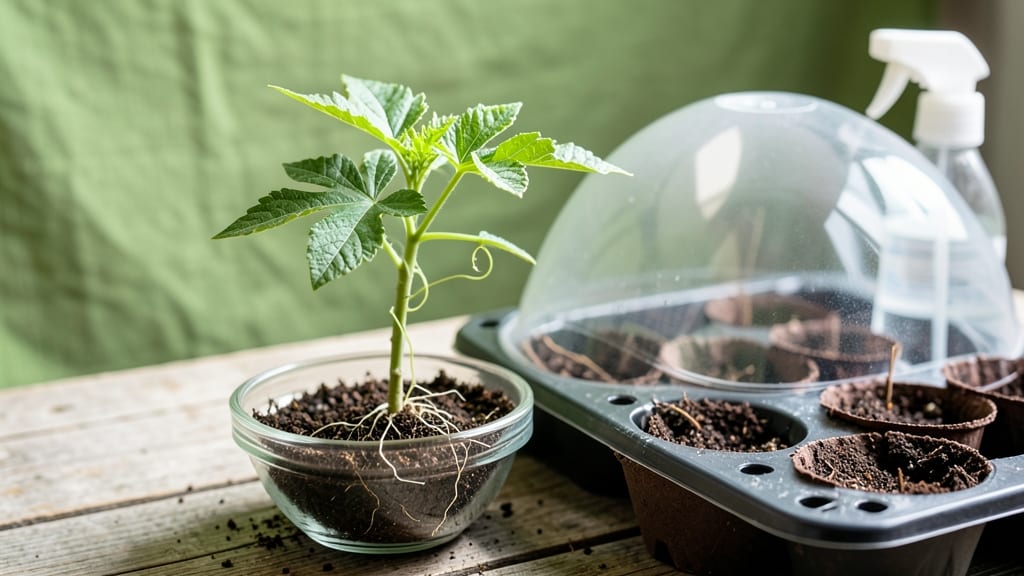
Passion fruit seed germination happens in 7-14 days when you nail the moisture, warmth, and airflow—no fancy equipment needed. 🌱 I learned this the hard way after watching seeds rot in damp paper towels, but now I’ve cracked the code for consistent germination without waste.
The secret isn’t just patience; it’s creating the right microclimate from day one.
Start with warmth (75-85°F) and humidity (keep soil lightly damp, not soggy). A clear plastic dome or even a sealed plastic bag works—just poke holes for airflow.
Plant seeds ½ inch deep in a well-draining mix (cactus soil + perlite works great), and place them in bright, indirect light (no harsh midday sun yet). Most people overwater here, which is why seeds drown instead of sprouting.
Within 5-7 days, you’ll see tiny radicles (those first white roots) pushing through. Once sprouts break the soil, move them to bright indirect light and reduce humidity gradually. By week 3, you’ll have sturdy seedlings ready for transplanting—no mold, no rot, just fast, healthy growth.
The key is checking soil moisture daily (stick your finger in—if it’s dry an inch down, water lightly).
This method works for all passion fruit varieties, whether you’re growing purple, yellow, or granadilla. The zero-waste twist? Save those seeds from store-bought fruit instead of tossing them. Just rinse them well first—no pulp left behind. Ready to turn those tiny seeds into vines? Let’s get sprouting!
📚 In This Guide
- What you need
- Instructions
- Tips and common mistakes
- Wrapping up and next steps
What you need
- ● Passion fruit seeds: Freshly extracted from ripe passion fruit (10–20 seeds for best results). Pro tip: 💡 Rinse seeds gently to remove pulp before use.
- ● Germination medium: Option 1: Paper towels (2–3 sheets) or coffee filters
- ● Option 2: Peat pellets or seed-starting mix (1–2 small pots)
- ● Spray bottle: With water (8–10 oz capacity) for consistent moisture.
- ● Clear plastic bag or dome: To create a humidity tent (e.g., Ziploc bag or propagator lid).
- ● Small containers: For seedling trays or individual pots (3–4 inches deep).
- ● Scissors or knife: For cutting paper towels or peat pellets.
- ● Measuring cup: To ensure proper watering (1/4 cup per container).
- ○ Grow lights or sunny windowsill: Bright, indirect light (6–8 hours daily). Optional: 🌡️ A heat mat (70–85°F) speeds up germination.
- ● Label markers: To tag seedling pots (e.g., "Passion Fruit – Day 1").
- ● Humidity monitor (to keep levels at 70–80%).
- ● Fertilizer (balanced 10-10-10, diluted to half-strength after sprouts appear).
- ● Compost or worm castings (for nutrient-rich soil post-germination).
How to germinate passion fruit seeds like a pro
Here's my foolproof method for coaxing those tiny passion fruit seeds into vigorous seedlings—no fancy equipment needed.
🌱 Step 1: Extract and Prepare the Seeds
Cut open a ripe passion fruit and scoop out the gelatinous pulp with the seeds. Rinse the pulp under cool water to remove any fruit residue, then separate the seeds by hand. I like to press each seed between my fingers to remove the outer membrane—this speeds up germination by exposing the embryo faster. Place the cleaned seeds in a small bowl of lukewarm water for 24 hours to soften the seed coat. You'll see the water turn slightly cloudy as the seeds absorb moisture.
After soaking, gently rub the seeds between your fingers again to remove any remaining slimy coating. This step is crucial—seeds with intact membranes can take weeks to sprout, while prepped seeds often germinate in 5-7 days. Lay the seeds on a paper towel to dry slightly for 1 hour before planting. The goal is damp but not wet; they should feel cool to the touch but not slippery.
💧 Step 2: Create the Ideal Germination Environment
Line a shallow container with a damp paper towel or a thin layer of moistened sphagnum moss. Arrange the seeds about 1 inch apart and cover them with another layer of damp paper towel or moss. The key here is maintaining 90% humidity—I use a clear plastic bag with small holes poked in the sides to create a mini greenhouse. Place the container in a warm spot, ideally between 75-85°F, like on top of a refrigerator or near a sunny window.
Check the moisture daily—tap the container gently to see if water drips out. If it does, the humidity is perfect. If not, mist lightly with a spray bottle. You'll see tiny white roots emerge first, usually within 3-5 days, followed by the seedling breaking through the soil. This is the moment that matters: once the first leaves appear, remove the plastic immediately to prevent fungal growth.
☀️ Step 3: Transplant Seedlings to Soil
When seedlings have 2-3 true leaves and are about 2 inches tall, they're ready for soil. Fill small pots with a mix of 50% potting soil and 50% perlite to ensure excellent drainage—passion fruit roots despise soggy conditions. Gently remove the seedlings from the germination container, being careful not to damage the delicate roots. Plant each seedling 1 inch deep in its own pot, as they don’t tolerate crowding.
Water lightly after transplanting, just enough to settle the soil around the roots. Place the pots in a location with bright, indirect light for the first week to help them adjust. You'll notice new growth within 7-10 days if everything is right—look for dark green leaves and sturdy stems. This is when you can gradually introduce them to more direct sunlight, starting with 2-3 hours per day and increasing over the next week.
⏰ Step 4: Maintain Optimal Growth Conditions
Passion fruit seedlings thrive in warmth and humidity, so keep them in a spot where temperatures stay between 65-85°F. If your home runs cooler, consider using a small heat mat beneath the pots to maintain root warmth. Water when the top 1 inch of soil feels dry, but never let the soil stay soggy—overwatering is the fastest way to kill young passion fruit plants. You'll see the leaves perk up and grow faster once they're consistently moist but not waterlogged.
Fertilize lightly with a balanced liquid fertilizer (10-10-10) diluted to half strength every 4 weeks once the seedlings are established. Watch for signs of nutrient deficiency, like yellowing leaves or slow growth—this means it's time to feed again. By 3 months old, your seedlings should be strong enough to handle outdoor conditions if you’re in a tropical or subtropical climate, but always harden them off gradually to avoid shock.
Tips & tricks for perfect passion fruit seed germination
These game-changing techniques will turn your passion fruit seeds into thriving seedlings faster than you'd expect—with minimal effort.
Seed Prep Secret: The 24-hour soak in lukewarm water isn't just about hydration—it's a science. The slight cloudiness you'll see means the seed coats are softening perfectly. For even faster results, I've found gently pressing each seed against a paper towel after soaking helps remove that last bit of membrane. This little extra step can shave off 2-3 days from your germination timeline.
Humidity Hack: Maintaining that 90% humidity is critical, but don't overlook the plastic bag's role. Poke those holes just big enough to allow airflow while keeping moisture trapped—about the size of a pencil tip. I've learned the hard way that larger holes lead to dried-out seeds, while too-small holes risk mold. The perfect balance creates that ideal greenhouse effect where roots appear in just 3-5 days.
Light Transition Strategy: When moving seedlings to soil, that first week of bright indirect light is non-negotiable. I use a grow light on low setting for the first 3 days, then gradually increase to natural sunlight. Watch for leaves that perk up—this tells you they're adjusting perfectly. Too much direct light too soon causes bleaching, while too little results in leggy, weak stems.
Pro Tips for Passion Fruit Seed Germination
- These game-changing techniques will turn your passion fruit seeds into thriving seedlings faster than you'd expect—wi...
- Seed Prep Secret: The 24-hour soak in lukewarm water isn't just about hydration—it's a science. The slight cloudiness...
- Humidity Hack: Maintaining that 90% humidity is critical, but don't overlook the plastic bag's role. Poke those holes...
Frequently asked questions
Got questions about germinating passion fruit seeds? You’re not alone! Here are answers to the most common queries to help you grow your own tropical treasure with confidence.
How long does it take for passion fruit seeds to germinate?
Passion fruit seeds typically sprout within 14 to 30 days under ideal conditions—warmth (70–85°F), moisture, and indirect light. Patience is key! If you don’t see sprouts in 4–6 weeks, check for rot (overwatering) or dryness. Pre-soaking seeds for 24 hours can speed things up by 30–50%.
Can I germinate passion fruit seeds in cold weather?
Cold weather (<50°F) slows or stops germination. If you’re in a cooler climate, start seeds indoors 8–10 weeks before last frost using a heat mat or warm windowsill. Alternatively, grow them in containers and move them outdoors once soil temps rise above 60°F. Pro tip: A clear plastic dome or greenhouse tray traps heat for faster sprouting!
What if my seeds mold or rot instead of sprouting?
Mold or rot usually means too much moisture or poor drainage. Let seeds dry slightly between waterings—keep soil damp, not soggy. Use a well-draining mix (coco coir + perlite) and a container with drainage holes. If mold appears, sprinkle cinnamon (natural antifungal) or repot with fresh, dry mix. Discard any seeds with foul smells or black/green fuzz.
Can I grow passion fruit from store-bought fruit seeds?
Yes! Store-bought passion fruit seeds will germinate, but results vary by variety. Hybrid seeds (like those from grocery stores) may not yield true-to-type fruit—expect surprises! For consistent results, source seeds from open-pollinated or heirloom varieties (check seed swap groups or tropical nurseries). Always wash seeds thoroughly to remove fruit residue.
What’s the best way to transplant seedlings?
Transplant seedlings when they have 2–3 true leaves (not just the initial seed leaves). Harden them off for 7–10 days by placing outdoors in partial shade, gradually increasing sun exposure. Use well-draining soil and a pot at least 6 inches deep—passion vines need room to grow! Water deeply after transplanting to reduce shock. Warning: Passion fruit plants are frost-sensitive; keep them in containers if your winters dip below 25°F.
Wrapping up and next steps
Germinating passion fruit seeds is a rewarding way to grow your own tropical plants while reducing waste—and you’ve got all the tools to succeed! 🌱 Whether you’re a seasoned gardener or a curious beginner, patience and the right conditions are all you need to watch those tiny seeds transform into vibrant vines.
Now that you’re armed with speed-sprouting secrets, why not take the next step?
🌟 Your Next Steps:
- Plant your sprouted seeds in nutrient-rich soil and give them sunlight (or a grow light) to thrive.
- Experiment with organic fertilizers or companion plants to boost growth.
- Share your passion fruit journey—tag us or fellow gardeners online!
Your green thumb is about to get even greener. Happy growing! 🌿