
Size
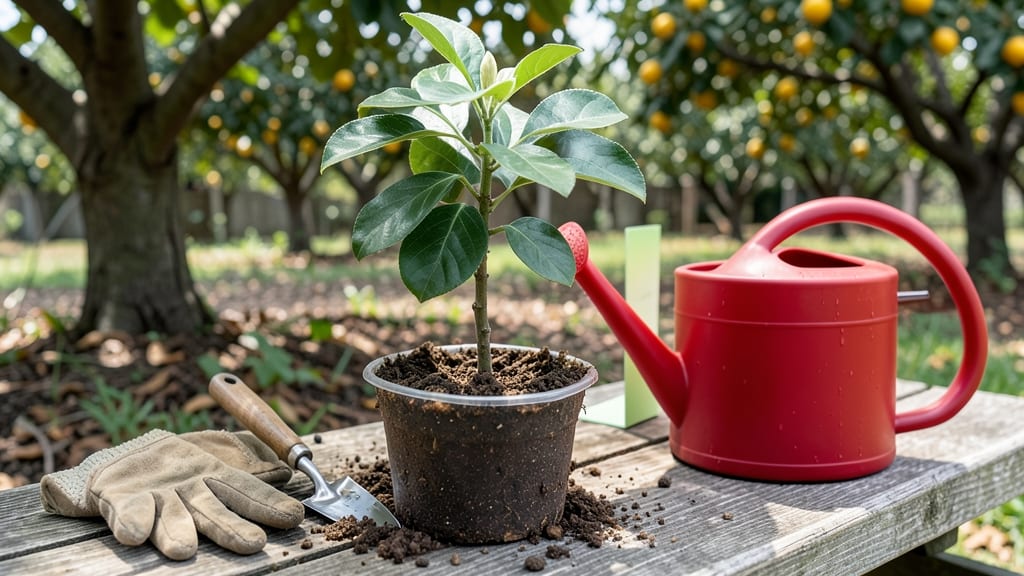
Growing a loquat tree from a loquat seed in your garden turns kitchen scraps into a year-round tropical treasure. 🌱 The process takes patience—some seeds need 30-90 days to germinate—but the payoff is a tree that thrives in warm climates and produces fragrant, edible fruit within 5-7 years.
Start with fresh seeds from ripe loquats, planted just below soil surface in a well-draining mix. Keep the soil consistently moist (not soggy) and maintain temperatures above 65°F for best results. Slow growth is normal—don’t rush it.
Once seedlings sprout, transplant them to larger pots or the ground only after they’ve developed 4-6 true leaves and sturdy stems. Full sun and protection from frost are critical for survival, so choose your planting spot carefully.
With proper care, your loquat tree will reward you with glossy foliage and—if lucky—sweet, citrusy fruit. The journey from seed to harvest is a zero-waste victory worth every wait. Here’s how to make it work!
📚 In This Guide
- What you need
- Instructions
- Tips and common mistakes
- Wrapping up and next steps
What you need
- ● Loquat seeds: 3–5 fresh, plump seeds (harvested from ripe loquats—avoid overripe or shriveled ones!)
- ● Potting mix: 1 small pot (4–6 inches in diameter) filled with well-draining seed-starting mix (or a blend of 50% peat moss and 50% perlite)
- ○ Plastic wrap or humidity dome: To create a mini greenhouse effect (optional but helpful for germination)
- ● Spray bottle: For gentle watering (avoid soaking the soil)
- ● Small tray or saucer: To catch excess water and prevent root rot
- ● Scissors or knife: For carefully slicing open loquat pits (if seeds are encased)
- ● Grow lights or sunny windowsill: Loquats need bright, indirect light (6+ hours/day)
- ● Fertilizer (balanced 10-10-10 or organic compost): Once seedlings sprout (use sparingly!)
- ● Larger pots (1–2 gallons): For transplanting seedlings after 3–4 months
- ● Mulch or bark chips: To retain moisture in outdoor plantings (if moving to a garden later)
Step-by-step instructions for growing loquat trees from seed
Here's how to turn those sweet, discarded loquat pits into thriving trees—with zero waste and maximum reward.
🌱 Step 1: Extract and Prepare the Seeds
Start by scooping out the single large seed from a ripe loquat pit using a butter knife or spoon. Rinse it thoroughly under cool water to remove any remaining fruit pulp, which can attract mold. The seed's outer shell is tough, so I like to soak it in warm water for 24 hours—this softens the shell and kickstarts germination.
After soaking, gently rub the seed between two sheets of sandpaper or a fine-grit file to lightly scarify the surface. This mimics natural weathering and helps water penetrate. Don’t overdo it—just enough to rough up the outer layer. Place the scarified seed on a damp paper towel, fold it, and store it in a sealed plastic bag in a warm spot (70-75°F). Check daily for moisture; if the towel dries out, mist it lightly.
💧 Step 2: Germinate the Seed
Germination can take 2-6 weeks, depending on temperature and humidity. Patience is key—loquat seeds are slow to sprout compared to faster-growing tropical fruits. Once you see a tiny white root (about ½ inch long), it’s time to plant. I use a small 3-inch biodegradable pot filled with a mix of 50% potting soil and 50% perlite for drainage.
Plant the seed ½ inch deep, root-side down, and water gently until the soil is moist but not soggy. Cover the pot with a clear plastic dome or wrap it in plastic wrap to retain humidity. Place it in bright, indirect light—direct sun can overheat the seedling. Keep the soil consistently moist by misting every 2-3 days or when the top inch feels dry.
☀️ Step 3: Transplant and Provide Optimal Light
Once the seedling develops 2-3 true leaves (not just the initial cotyledons), it’s ready for its first transplant. Choose a 5-inch pot with drainage holes and fill it with well-draining potting mix. Gently remove the seedling from its starter pot, keeping the root ball intact, and place it in the new container. Water thoroughly after transplanting to settle the soil.
Loquat seedlings crave full sun (6+ hours daily), but they’ll scorch if moved too quickly. Start by placing the pot in partial shade for a week, then gradually increase sunlight exposure. If growing indoors, position it near a south-facing window or under a grow light (12-14 hours/day). You’ll know it’s getting enough light when the leaves are dark green and compact—not stretched or pale.
🪴 Step 4: Care for the Young Tree
Water the seedling when the top inch of soil feels dry, typically every 5-7 days in warm weather. Overwatering is the biggest killer—loquat trees hate soggy roots. Fertilize lightly every 4-6 weeks with a balanced, water-soluble fertilizer (10-10-10) diluted to half strength. Avoid heavy feeding until the tree is 12+ inches tall—you’re building roots, not fruit.
Prune leggy growth by pinching back the tips of new shoots to encourage bushier growth. If you notice yellowing leaves, it’s usually a sign of overwatering or nutrient deficiency. Adjust watering or switch to a citrus-specific fertilizer for better results. By 12-18 months, your seedling should be sturdy enough for outdoor planting in USDA Zones 8-11—or keep it in a large container if you live in a colder climate.
⏰ Step 5: Long-Term Growth and Fruit Potential
Loquat trees grown from seed may take 5-10 years to bear fruit, but the journey is worth it. They thrive in well-draining soil and warm climates, so mulch around the base to retain moisture and protect roots. If growing in a pot, repot every 2-3 years into a larger container (12+ inches) with fresh potting mix.
Real talk: Seed-grown loquats may not produce fruit identical to the parent tree—genetics can be unpredictable. But the reward of watching a tree you nurtured from a discarded pit bear fruit is unmatched. Keep an eye out for small, orange-yellow fruit in late winter or early spring, and you’ll have your own zero-waste harvest in no time.
Tips & tricks for growing loquat trees from seed
Transforming those humble loquat pits into thriving trees takes patience and precision—here's how to optimize every step without losing hope.
Seed Preparation: After the 24-hour warm water soak, test the seed's readiness by gently pressing it with your thumb—it should feel slightly pliable, not rock-hard. If it resists, extend the soak by another 6 hours. Pro tip: Use a paper towel to blot excess moisture after scarification to prevent mold growth in the sealed bag. The goal is dampness, not sogginess.
Germination Environment: Loquat seeds thrive in consistent warmth, but avoid placing them near heating vents or direct sunlight during germination. A small seedling heat mat set to maintain 75°F works wonders for stubborn seeds. The 2-6 week germination window is real—don't give up at 3 weeks! I've seen roots appear on day 21 after what seemed like no progress.
Transplanting Strategy: When moving your seedling to its 5-inch pot, make a small well in the soil and place the root ball at the exact same depth it was growing before. Loquat seedlings hate being buried too deep, which can cause root rot. After transplanting, give the soil a gentle squeeze—it should hold its shape but not crumble, indicating proper moisture without being waterlogged.
Light Management: The gradual transition from partial shade to full sun is crucial—think of it like sunbathing after winter. Start with 2 hours of morning sun, then add 1 hour each subsequent day. If your seedling develops pale, elongated leaves, it's begging for more light. For indoor growers, LED grow lights are more efficient than fluorescent bulbs for the 12-14 hour daily requirement.
Pro Tips for Loquat Seed Grow A Garden
- Transforming those humble loquat pits into thriving trees takes patience and precision—here's how to optimize every s...
- Seed Preparation: After the 24-hour warm water soak, test the seed's readiness by gently pressing it with your thumb—...
- Germination Environment: Loquat seeds thrive in consistent warmth, but avoid placing them near heating vents or direc...
Frequently asked questions
Got questions about growing loquat seeds into a thriving garden? Here are some common ones—and their answers—to help you get started!
Can I grow a loquat tree from seed, or will it produce fruit?
While you can grow a loquat tree from seed, the resulting plant may not produce fruit identical to the parent tree. Seed-grown loquats often take 5–10 years to bear fruit (if at all) and may have different flavors or sizes. For guaranteed fruit, consider grafting or buying a young sapling instead!
How long does it take for loquat seeds to germinate?
Loquat seeds typically germinate within 2–4 weeks under ideal conditions (warmth, moisture, and indirect light). Keep the soil consistently damp but not soggy, and place the pot in a warm spot (70–80°F). Patience is key—some seeds may take up to 6 weeks to sprout!
Do loquat seeds need stratification before planting?
Loquat seeds do not require stratification (cold treatment) to germinate. Unlike some tropical seeds, they’re happy to sprout in warm, moist conditions right away. Just plant them 1/4 inch deep in well-draining soil and keep them cozy—no chilling needed!
What’s the best way to transplant a young loquat seedling?
Once your seedling has 3–4 true leaves and is about 6 inches tall, it’s ready for transplanting. Choose a 5-gallon pot or outdoor spot with full sun to partial shade. Gently loosen roots, bury the stem up to the first set of leaves, and water thoroughly. Pro tip: Use a balanced fertilizer (like 10-10-10) to help it adjust!
Why aren’t my loquat seeds sprouting? Troubleshooting tips!
If your seeds aren’t germinating, check these common issues:
Too cold? Loquats need warmth—keep soil above 65°F.
Too wet? Overwatering can rot seeds; let the top inch dry slightly between waterings.
Old seeds? Fresh seeds sprout best—try a new batch if yours are over a year old.
Poor soil? Use a light, well-draining mix (like cactus/succulent soil).
Still stuck? Try soaking seeds in warm water for 24 hours before replanting to soften the shell!
Wrapping up and next steps
Growing loquat seeds into a thriving garden is a rewarding way to embrace zero-waste harvesting while enjoying year-round viability! 🌱 With the right soil, patience, and care, you’ll soon have a fruitful addition to your outdoor space.
Whether you’re a seasoned gardener or just starting out, this project proves that sustainability can be both simple and satisfying.
Ready to take the next step? Start with a single seed—your future loquat tree awaits! Share your progress or tips with fellow gardeners, and watch your garden flourish with this tropical gem. Happy planting! 🌿