
Propagation
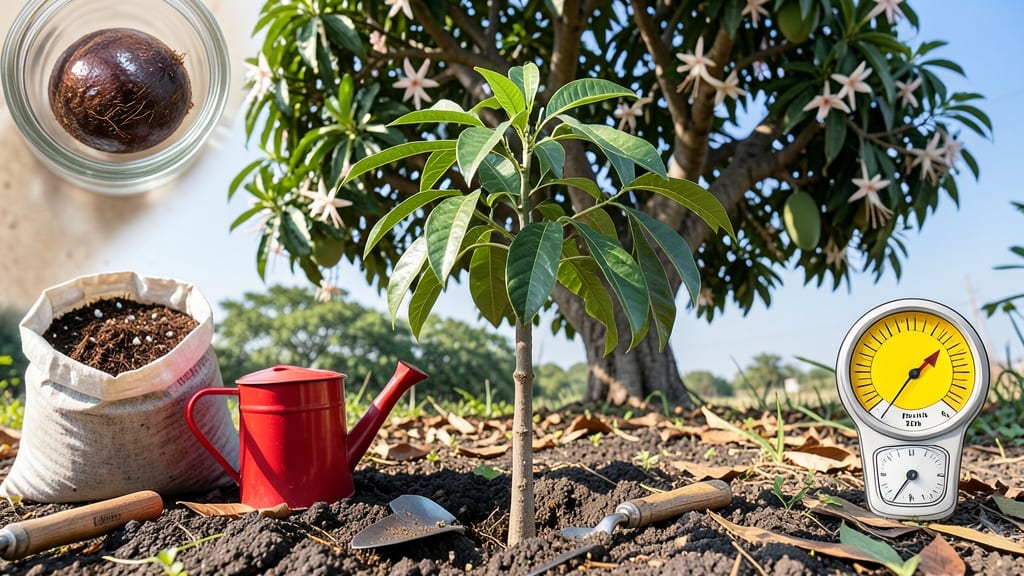
Growing a mango tree from seed to fruit is the ultimate tropical adventure—imagine plucking your own sweet, juicy mangoes years from now. 🌱 The journey starts with a single seed and ends with a tree that can live for decades, but the real magic happens in those first few critical months.
I’ve watched my own seedling grow from a tiny sprout to a sturdy sapling, and I’m excited to share the exact steps that turn a simple seed into a fruiting tree.
The secret isn’t just patience—it’s recreating the tropical conditions mangoes crave. You’ll need a warm spot, well-draining soil, and a little extra care during the transplanting phase.
Most people rush this step and end up with weak seedlings, but with the right approach, your tree will establish strong roots and start branching out within its first year. The payoff? A tree that can produce fruit in as little as 3-5 years—though some varieties take longer.
Once your tree is thriving, the real work begins: pruning for shape, encouraging pollination, and protecting it from pests. I’ve learned that mangoes reward attentive care with bold, fragrant blooms and eventually, those coveted sweet fruits.
The best part? Even if you live outside the tropics, container growing makes this dream achievable. You’ll need to bring it indoors during cold snaps, but the effort is worth every juicy bite.
This isn’t just about growing a tree—it’s about creating a legacy. My first mango tree is now a small shade provider, and the second batch of seedlings are already sprouting.
With the right conditions and a little persistence, you could be doing the same in just a few years. Let’s get those seeds started!
📚 In This Guide
- What you need
- Instructions
- Tips and common mistakes
- Wrapping up and next steps
What you need
- ● Mango seed: 1 fresh, viable seed (harvested from a ripe, organic mango—avoid hybrid varieties if you want true-to-type fruit).
- ● Potting mix: 2–3 gallons of well-draining, sterile potting soil (look for a blend labeled for seed starting or citrus/succulent mixes).
- ● Growing containers: 1 small seed-starting pot (4–6 inches in diameter) for germination.
- ● 1–2 larger pots (10–12 inches in diameter) for transplanting as the seedling grows.
- ○ Grow lights or sunny windowsill: A full-spectrum LED grow light (optional but helpful for indoor starters) or a south-facing window with 6+ hours of direct sunlight.
- ● Watering can or spray bottle: With a fine mist nozzle for gentle hydration.
- ● Humidity dome or plastic wrap: To retain moisture during germination.
- ● Fertilizer: A balanced, water-soluble fertilizer (e.g., 10-10-10 or 20-20-20) for seedlings, diluted to half-strength.
- ● Pruning shears or scissors: Sharp, clean tools for trimming as the tree matures.
- ○ Rooting hormone: To boost germination success (optional but recommended for tricky seeds).
- ● Soil moisture meter: To monitor water levels without over-saturating the seed.
- ● Mulch (e.g., pine bark or coconut coir): For larger pots to retain moisture and regulate temperature.
- ● Support stake or trellis: For young trees to prevent toppling as they grow taller.
- ● pH testing kit: To ensure soil pH stays in the ideal range (5.5–6.5 for mangoes).
- ● Pest control (neem oil or insecticidal soap): For organic pest management as the tree matures.
Step-by-step instructions for growing a mango tree from seed to fruit
Here's how to nurture a tropical mango tree from seed to harvestable fruit with patience and precision.
🌱 Step 1: Extract and Prepare the Seed
Start with a fresh, ripe mango—never dried or overly soft fruit. Cut open the mango and remove the large, flat seed. Rinse it thoroughly under running water to remove any fruit residue, then pat it dry with a paper towel. The seed has a hard outer shell that needs softening before planting.
Place the seed in a small container with enough water to cover it by about 1 inch. Let it soak for 3-5 days, changing the water daily. You'll know it's ready when the outer shell begins to crack slightly and a small root emerges. This pre-soaking mimics tropical rainforest conditions and speeds up germination.
🪴 Step 2: Plant the Germinated Seed in a Pot
Fill a 6-inch diameter pot with a well-draining tropical potting mix—avoid garden soil as it compacts too easily. The mix should contain perlite or sand to improve drainage. Make a small hole in the center of the pot, about 1 inch deep, and place the germinated seed with the root facing downward.
Cover the seed with soil, leaving about ½ inch of the seed exposed above the surface. This ensures the seedling has enough space to emerge without being buried too deeply. Water gently until the soil feels evenly moist but not soggy. Place the pot in a warm, sunny location where temperatures stay between 70-85°F.
💧 Step 3: Care for the Seedling Through Early Growth
Keep the soil consistently moist but never waterlogged—mango seedlings are sensitive to root rot. Water when the top inch of soil feels dry to the touch, usually every 2-3 days depending on humidity. Use room-temperature water to avoid shocking the roots.
Once the seedling sprouts and reaches about 4-6 inches tall, it's time to transplant it into a slightly larger pot, around 8-10 inches in diameter. This step prevents root binding, which stunts growth. Choose a pot with drainage holes and fill it with the same tropical mix. Handle the seedling gently to avoid damaging the delicate stem.
☀️ Step 4: Transition to Outdoor Conditions
After the seedling has grown for 6-12 months and shows new leaves, it's ready for outdoor exposure. Place the pot in a sheltered spot, like a patio or balcony, where it can receive bright, indirect sunlight for a few hours a day. Gradually increase its time outside over 2-3 weeks, allowing it to adjust to direct sunlight.
Mango trees thrive in full sun, so once the seedling is hardened off, move it to a location where it will receive at least 6-8 hours of direct sunlight daily. If you live in a cooler climate, bring the pot indoors during frost or cold snaps. Use a grow light if natural light is insufficient, keeping it 4-6 inches above the plant for 12-14 hours a day.
⏰ Step 5: Prune and Fertilize for Fruit Production
When your mango tree reaches 3-5 feet tall, it’s time to encourage branching by pruning. Use clean, sharp pruning shears to trim back the top 1-2 inches of the main stem. This stimulates lateral growth, creating a bushier tree. Remove any dead, diseased, or crossing branches to improve airflow and light penetration.
Fertilize your mango tree every 4-6 weeks during the growing season (spring and summer) with a balanced, citrus-friendly fertilizer. Follow the package instructions for dosage, but generally, a 10-10-10 or 20-20-20 formula works well. Avoid over-fertilizing, as this can lead to salt buildup in the soil, which harms the roots. Water thoroughly after fertilizing to help distribute nutrients evenly.
🍈 Step 6: Encourage Flowering and Fruit Development
Mango trees typically take 3-5 years to bear fruit from seed, but with proper care, you can speed up the process slightly. To encourage flowering, ensure your tree gets plenty of sunlight and consistent watering. Reduce watering slightly during the fall and winter months to mimic the tree’s natural dry season, which can trigger flowering.
Once flowers appear, protect them from frost and strong winds, which can damage delicate blossoms. If you live in a cooler climate, consider growing your mango tree in a large container that you can move indoors during cold months. Pollination can be tricky indoors, so gently shake the tree or use a small brush to transfer pollen between flowers. With patience and care, you’ll eventually see those coveted mango fruits develop!
Tips & tricks for growing a thriving mango tree from seed
These simple strategies will help you nurture your mango tree from a tiny seed to a fruit-bearing beauty—without losing patience along the way.
Seed Preparation: Don't rush the 3-5 day soaking process! The key is consistency—change the water daily to prevent mold. I've seen seeds fail because they were left in stagnant water. Once you see that first tiny root, it's ready for planting. Trust me, that crack in the shell is your signal to move forward.
Temperature Matters: Maintain those 70-85°F temperatures during the early stages, especially after germination. If your home runs cooler, consider using a seedling heat mat (set to 75°F) under the pot. I learned this the hard way when my first seedling took weeks to sprout because my apartment was too chilly.
Light Exposure Strategy: When transitioning outdoors in Step 4, start with just 2-3 hours of morning sun. Gradually increase exposure over those 2-3 weeks—this hardening off process prevents sunburn on delicate leaves. After the full 6-8 hours of daily sun, you'll notice new growth within weeks.
Fertilizer Timing: The 4-6 week fertilization schedule is crucial, but timing matters just as much as frequency. Always fertilize in the morning so the tree has time to absorb nutrients before evening. I've noticed my trees respond best when fertilized right after watering, which helps distribute nutrients evenly through the soil.
Pro Tips for Mango Tree From Seed To Fruit
- These simple strategies will help you nurture your mango tree from a tiny seed to a fruit-bearing beauty—without losi...
- Seed Preparation: Don't rush the 3-5 day soaking process! The key is consistency—change the water daily to prevent mo...
- Temperature Matters: Maintain those 70-85°F temperatures during the early stages, especially after germination. If yo...
Frequently asked questions
Got questions about growing a mango tree from seed to fruit?
You’re not alone! Here are answers to the most common queries to help you navigate every stage—from sprouting to harvest.
How long does it take for a mango seed to sprout?
A mango seed typically sprouts within 2–4 weeks if planted correctly. Keep the soil moist (not soggy) and in warm conditions (70–85°F). Patience is key—some seeds take up to 6–8 weeks, especially if the seed was dried or stored. If nothing happens after 2 months, the seed may not be viable.
When will my mango tree produce fruit after planting a seed?
Don’t expect fruit soon! Seed-grown mango trees can take 5–10 years to bear fruit, depending on the variety, climate, and care. Grafted trees (from nurseries) fruit in 3–5 years. For faster results, consider grafting your seedling with a fruiting branch later.
Can I grow a mango tree indoors or in a pot?
Yes, but with limitations. Mango trees thrive outdoors in tropical climates, but you can grow them in large containers (15+ gallons) indoors near a sunny window or under grow lights. Move pots outside during warm months for better growth. Just know: indoor trees may stay small and fruit less reliably.
Why is my mango seedling wilting or turning yellow?
Wilting or yellowing leaves usually signal overwatering, underwatering, or pests. Check soil moisture—it should stay evenly damp but not waterlogged. Inspect for aphids or mites (common early threats). Adjust sunlight (6+ hours daily) and fertilize lightly (balanced 10-10-10) every 2–3 months once established.
What’s the best way to ensure my mango tree grows tall and healthy?
Prioritize these three things:
- Sunlight: Place in full sun (6+ hours daily). Young trees tolerate partial shade but grow slower.
- Watering: Deep water 2–3 times weekly (daily in extreme heat). Let soil dry slightly between waterings.
- Pruning: Trim leggy branches to encourage bushier growth. Remove dead/diseased leaves promptly.
Wrapping up and next steps
Growing a mango tree from seed to fruit is a rewarding journey that connects you to nature’s sweetest bounty! 🌱 With patience, the right conditions, and a little care, you can nurture a thriving tree that gifts you with juicy mangoes for years.
The key is consistency—whether it’s pruning, fertilizing, or protecting your tree from pests—each step brings you closer to that first homegrown harvest.
Now that you’re armed with the knowledge, why not take the next step? Start with a seed today, or share your newfound expertise with fellow plant enthusiasts. Your tropical oasis is just a seedling away—happy growing! 🌴✨