
Planting
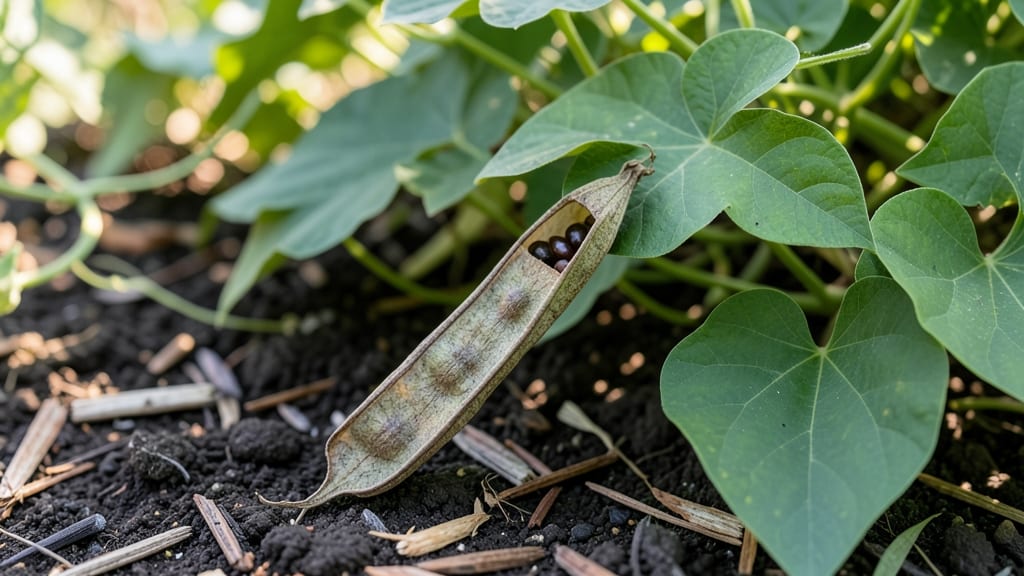
Harvesting the moonflower plant seed pod before it splits open is the secret to next year’s dreamy white blooms. 🌙 These delicate pods ripen in late summer, and if you miss the window, the seeds scatter—leaving you with nothing but empty vines.
The key is timing: wait until the pods turn brown and papery, but act fast before they crack open.
You’ll need just a few simple supplies: sharp scissors or pruners, a paper bag for collecting pods, and a dry, well-ventilated spot for storage. Once harvested, let the pods dry completely—this prevents mold and ensures the seeds stay viable.
A warm, dark corner works perfectly, and within a couple of weeks, you’ll have plump, ready-to-plant seeds.
When planting time rolls around, soak the seeds overnight to speed up germination—moonflowers love warmth and thrive in full sun. Direct-sow them in loose, well-draining soil after the last frost, and within 60-90 days, you’ll be rewarded with those iconic, moonlit-white flowers that bloom at dusk.
Here’s the best part: these fast-growing vines can climb 10-15 feet in a single season, making them perfect for trellises or fences. Just be patient—moonflowers are annuals, so saving seeds is the only way to grow them year after year.
With a little care, you’ll have a garden that feels like a secret midnight garden party.
📚 In This Guide
- What you need
- Instructions
- Tips and common mistakes
- Wrapping up and next steps
What you need
- ● Moonflower seed pods: Fresh, fully mature pods (brown, dry, and slightly papery). Aim for at least 10-15 pods for a good yield.
- ● Sharp pruning shears or scissors: Clean, sterilized tools to avoid damaging pods.
- ● Brown paper bags or breathable mesh sacks: 2-3 medium-sized bags (12”x15” or larger) for airflow.
- ● Labeling tags and marker: To tag pods with the harvest date and variety (e.g., "Moonflower – Harvested 2024").
- ● Drying tray or screen: A flat, elevated surface (like a wire rack or cardboard box with holes) to spread pods in a single layer.
- ○ Desiccant packets (optional but helpful): 1-2 packets (like silica gel) to absorb excess moisture during storage.
- ● Air-tight glass jars or plastic containers: 1-2 containers with tight-sealing lids (quart-sized or larger).
- ○ Fine-mesh sieve or colander: For gently separating seeds from dried pods (optional but handy!).
- ● Small funnel: To transfer seeds into storage containers without spills.
- ● Dry, well-ventilated space: A cool (60-70°F), dark area with low humidity (e.g., basement, closet, or garage).
- ● Patience: Seed pods need 2-4 weeks to fully dry before storage!
- ○ Gloves (optional): If you’re sensitive to plant fibers or sap.
How to harvest, dry, and store moonflower seed pods
Moonflowers give you a second chance at these magical night-blooming beauties—here’s how to save their seeds for next season.
🌱 Step 1: Harvest Mature Seed Pods at the Right Time
Wait until the seed pods turn brown and papery—this usually happens 2-3 weeks after the last flowers fade. Don’t harvest too early; immature pods won’t contain viable seeds. I like to check pods daily during this window because they dry out fast in hot weather.
Gently twist the pod from the stem—it should separate cleanly without tearing. If it resists, let it dry another day. Avoid pulling or yanking, which can damage the delicate pods. Place harvested pods in a paper bag (not plastic) to allow airflow while you process them.
💧 Step 2: Dry the Seed Pods Thoroughly
Spread the pods on a clean, dry surface like a mesh screen or baking sheet in a warm, dry location (around 70-75°F). Avoid direct sunlight, which can overheat and crack the pods. I often place mine on my balcony under a shade cloth during the day.
Drying takes 1-2 weeks, depending on humidity. You’ll know they’re ready when the pods feel lightweight and brittle—they should rattle when shaken. If moisture remains, seeds may mold during storage. Test a few pods by pressing gently; if they crumble easily, they’re fully dry.
✂️ Step 3: Extract and Clean the Seeds
Once dry, place a pod in a paper bag and crumple it gently to release the seeds. Tap the bag against your palm to help them fall out. Moonflower seeds are large and flat, with a slightly rough texture. Discard any seeds that look shriveled or discolored—they won’t germinate.
Use a fine-mesh strainer or sieve to separate seeds from chaff. A quick wipe with a damp paper towel removes any lingering debris. I label a small envelope with the variety and harvest date, then let the seeds air-dry completely before storage—this prevents clumping.
🪴 Step 4: Store Seeds Properly for Germination
Place the cleaned seeds in a small, airtight container like a glass jar or resealable bag. Add a silica gel packet to absorb excess moisture—moonflower seeds stay viable for 2-3 years if stored in cool (40-50°F) and dry conditions.
Store the container in a dark, cool pantry or refrigerator, not the freezer. Check seeds annually: if they feel damp or develop mold, transfer them to a fresh container. When ready to replant, soak seeds overnight in lukewarm water to soften the tough outer shell and speed up germination.
Tips & tricks for perfect moonflower seed pod preservation
Saving moonflower seeds for next season takes patience—and these little tricks will help you avoid common pitfalls while maximizing your success.
Timing is Everything: The 2-3 week window after flowers fade is your best chance for viable seeds. I’ve learned to mark my calendar when the first flowers appear so I know exactly when to start checking pods. If you miss this window, pods may shatter before you can harvest, sending seeds everywhere. Confession: I skipped this step once and ended up with a floor full of seeds and no way to collect them!
Harvesting Technique: Twisting the pod gently from the stem is key—don’t pull! The pods are fragile and can tear, making them unusable. I’ve found that harvesting in the morning when dew is present actually makes the pods easier to remove cleanly. Once harvested, the paper bag trick is brilliant: it allows airflow while keeping pods contained, preventing any accidental seed loss during transport.
Drying Conditions: The 70-75°F range is ideal, but humidity can throw off your 1-2 week drying timeline. If your climate is particularly damp, consider using a small fan on low setting near your drying surface to circulate air. I’ve seen pods take up to 3 weeks in humid conditions—don’t rush it! The brittle test is foolproof: if pods crumble when pressed, they’re ready. If they feel even slightly springy, they need more time.
Storage Wisdom: That 40-50°F range in a dark pantry is critical for long-term viability. I keep my seed containers in the back of my refrigerator’s crisper drawer—it’s cooler than the main compartments and stays consistently dark. The silica gel packet is non-negotiable: I’ve seen seeds develop mold within weeks when stored without one. Pro tip: Label your containers with both the harvest date and variety—next year’s you won’t remember which seeds came from which plant!
Pro Tips for Moonflower Plant Seed Pod
- Saving moonflower seeds for next season takes patience—and these little tricks will help you avoid common pitfalls wh...
- Timing is Everything: The 2-3 week window after flowers fade is your best chance for viable seeds. I’ve learned to ma...
- Harvesting Technique: Twisting the pod gently from the stem is key—don’t pull! The pods are fragile and can tear, mak...
Frequently asked questions
about moonflower seed pods—because every gardener deserves a little clarity!When is the best time to harvest moonflower seed pods?
Harvest moonflower seed pods when they turn tan or brown and split open slightly—usually 4–6 weeks after flowering. Wait too long, and the seeds may scatter or lose viability. Early morning (when dew is present) is ideal for easy removal.
How long can I store moonflower seeds before planting?
Moonflower seeds remain viable for 1–2 years if stored properly in a cool, dry place (like a sealed container in the fridge). For best results, plant them within 6–12 months—fresh seeds germinate faster and more reliably!
What if my moonflower seed pods won’t open naturally?
If pods stay closed, gently squeeze them or use a small knife to slit them open (wear gloves—some gardeners report mild skin irritation). Avoid drying them in direct sun, which can cause them to crack prematurely. Pro tip: Place pods in a paper bag for a few days to encourage natural drying!
Can I grow moonflower from store-bought seeds, or do I need to save my own?
Yes! Store-bought moonflower seeds work fine, but saved seeds often adapt better to your local climate. If using store-bought, check the packet for organic or non-GMO labels if sustainability matters to you.
Why aren’t my moonflower plants blooming?
Moonflowers need full sun (6+ hours/day) and warmth to thrive. If blooms are sparse, check for:
- Poor soil drainage (they hate soggy roots!)
- Cool nights (below 60°F/15°C can delay blooms)
- Overcrowding (give vines 6–10 feet of space)
Wrapping up and next steps
Growing moonflower plants from seed pods is a rewarding journey that connects you to nature’s beauty—especially when you harvest, dry, and store them for future blooms! 🌙 With patience and care, you’ll enjoy those enchanting night-blooming flowers year after year.
Ready to take the next step? Start by labeling your stored pods and planning your planting schedule to welcome more magic into your garden next season.