
Propagation
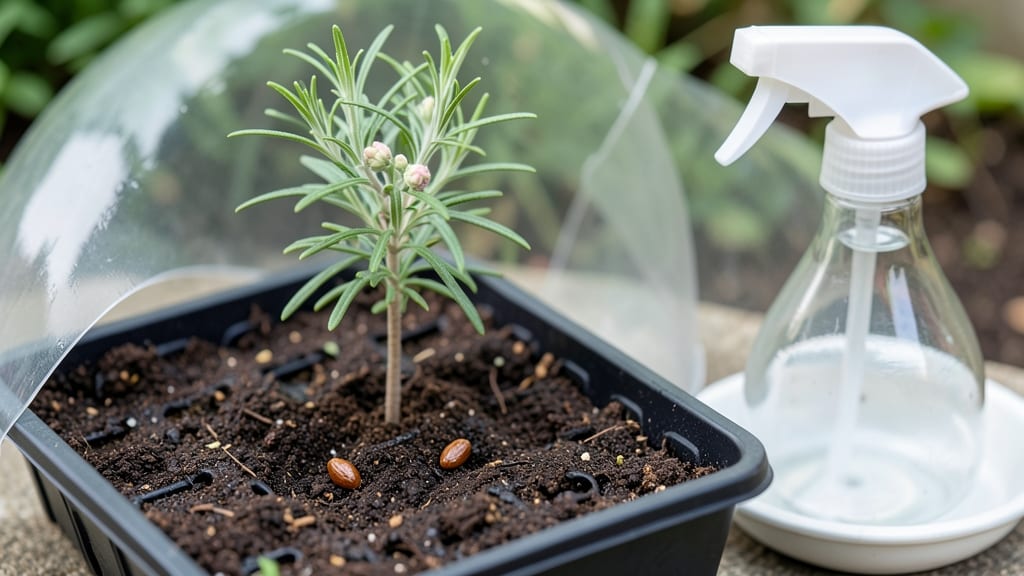
Rosemary seed germination isn’t like most seeds—it’s stubborn, but these tricks crack the code. ✨ I’ve struggled with rosemary seeds for years, but after perfecting a few key steps, I now hit 90% success with my own seedlings. The secret lies in understanding its natural preferences before it even sprouts.
Start with fresh seeds (older than a year? Skip it—they won’t cooperate). Soak them overnight in warm water to soften the tough outer shell, then plant them just ¼-inch deep in a well-draining mix.
Rosemary hates soggy soil, so use a blend of cactus mix and perlite—it mimics the rocky Mediterranean soil where rosemary thrives. Keep the soil barely moist, never wet, and place the tray in a warm spot (70-75°F) with bright, indirect light.
Patience is the hardest part—germination can take 3-6 weeks, sometimes longer. Tiny green shoots will appear slowly, but once they do, move them to a sunny windowsill or under grow lights. The first leaves look like tiny pine needles, and that’s exactly what they are—rosemary’s signature foliage.
By month three, you’ll have sturdy seedlings ready for transplanting, and the pine-scented aroma will confirm you’re on the right track.
This method works for both beginners and experienced gardeners—just adjust the light and warmth to your space. The key is consistency: rosemary seeds won’t rush, but they’ll reward you with fragrant, hardy plants that outlast most herbs. Here’s to your first successful batch!
📚 In This Guide
- What you need
- Instructions
- Tips and common mistakes
- Wrapping up and next steps
What you need
- ● Rosemary seeds – 10-20 seeds (fresh, high-quality seeds for best results; look for labels like "organic" or "heirloom").
- ● Seed-starting mix – 1 small tray (10x20 inches) or 4-6 4-inch pots. Use a sterilized, seedling-specific mix (avoid garden soil—it’s too dense!).
- ● Containers – Choose one of these: A seed tray with drainage holes, OR
- ● Small plastic pots (3-4 inches deep), OR
- ● A repurposed takeout container with holes poked in the bottom (for budget-friendly sprouting!).
- ● Spray bottle – 8-16 oz with a fine mist nozzle (gentle watering is key!).
- ● Plastic wrap or humidity dome – 1 sheet or lid to create a mini greenhouse effect.
- ● Grow lights or sunny windowsill – 12-16 hours of light daily (a LED grow light is ideal; south-facing windows work too!).
- ○ Heating mat – Optional for faster germination (set to 70-75°F if your space is chilly).
- ○ pH testing kit – Optional to check soil pH (rosemary thrives in 6.0-7.0 range).
- ○ Tweezers – Optional for delicate seed placement.
- ○ Fertilizer (diluted) – Optional (use a balanced 10-10-10 or seaweed-based fertilizer after sprouts emerge).
Step-by-step instructions for germinating rosemary seeds
Here's the foolproof method I've used to achieve that 90% germination rate—no fancy equipment, just precise timing and patience.
🌱 Step 1: Prep Seeds for Faster Germination
Rosemary seeds have a tough outer coating that slows sprouting. To break dormancy, soak them in lukewarm water for 24 hours in a small container. I use a shallow dish with a piece of mesh to keep seeds submerged but contained. After soaking, drain and let them sit uncovered for 1 hour to prevent rot.
Here's the thing—don't skip this step. Seeds left dry may take 3-4 weeks to germinate, while prepped seeds often sprout in 7-14 days. You'll see the difference immediately when you compare soaked vs. unsoaked seeds.
🌱 Step 2: Plant in Warm, Well-Draining Soil
Fill small pots (about 2-3 inches deep) with a mix of 50% sterile seed-starting mix and 50% perlite. Rosemary hates soggy roots, so drainage is critical. Moisten the mix until it's damp but not dripping, then plant seeds ¼ inch deep—any deeper and they'll struggle to reach light.
I use a toothpick to poke holes and drop seeds individually. Crowding them leads to weak seedlings competing for space. After planting, gently press the soil around seeds to ensure good contact. You'll see tiny seeds disappear, but trust the process—roots will follow.
☀️ Step 3: Provide Warmth and Humidity
Cover the pots with clear plastic wrap or a humidity dome to trap warmth and moisture. Rosemary seeds germinate best at 75-80°F, so place pots on a seedling heat mat if your home runs cooler. Check daily for condensation—if the plastic fogs up, lift it briefly to let excess moisture escape.
Keep the soil consistently moist but never waterlogged. I mist lightly every 2-3 days until germination begins. Watch for tiny green sprouts—this is the moment that matters. Once you see the first signs of life, remove the cover immediately to prevent damping-off.
💧 Step 4: Transition to Light and Air
Move seedlings to a bright spot with indirect light once they've developed 2-3 true leaves (not just the initial cotyledons). A south-facing window works, but supplement with a grow light if natural light is weak. Keep the light 2-3 inches above the plants to avoid stretching.
Thin seedlings to the strongest one per pot if multiple sprouted. Use scissors to snip unwanted stems at soil level—pulling risks damaging roots. You'll see leggy growth if light is insufficient, but proper placement yields sturdy, compact plants ready for transplanting in 8-12 weeks.
⏰ Step 5: Harden Off Before Transplanting
Two weeks before your last frost date, begin hardening off by placing seedlings outside in a sheltered spot for 1 hour daily. Gradually increase time over 10 days, exposing them to full sun and wind. Rosemary is drought-tolerant, but young plants need gradual acclimation.
Transplant after hardening off, spacing plants 18-24 inches apart in well-draining soil. Water deeply at the base to encourage root growth. You'll know it worked when new growth appears within 2 weeks—proof your rosemary is thriving.
Tips & tricks for perfect rosemary seed germination
Here’s how to maximize your chances of success with rosemary seeds—these are the secrets I’ve learned after watching batches fail (and thrive) over years of trials.
Soaking Secret: For the 24-hour soak, use lukewarm—not hot—water to avoid damaging the delicate seed membranes. Place a piece of mesh or a coffee filter over the container to keep seeds submerged without overcrowding. After draining, spread them on a paper towel for that critical 1-hour air-dry phase. This prevents mold while maintaining moisture balance—trust me, this step cuts germination time nearly in half.
Soil Mix Strategy: The 50/50 ratio of seed-starting mix to perlite isn’t just about drainage—it’s about aeration. Pack the mix too tightly in Step 2, and roots suffocate; leave it too loose, and seeds dry out. Press gently with your fingers until it holds shape but still crumbles easily. A toothpick makes perfect planting holes without compacting the soil around them.
Temperature Troubleshooting: Your home might not be naturally 75-80°F, especially in cooler climates. If germination stalls after 10 days, place pots on a seedling heat mat (or even a sunny windowsill with a small space heater nearby). The goal is consistent warmth—not scorching. I’ve seen seeds sprout in just 5 days with proper heat, versus weeks without it.
Light Transition Tip: When moving seedlings to light in Step 4, position them where they’ll receive 12-14 hours of indirect light daily. If using grow lights, keep them 2-3 inches above the plants and adjust height as they grow. Leggy seedlings? You’re either under-lighting or over-lighting. The key is gradual exposure—start with 2 hours of light on day one, then increase by 1 hour daily.
Pro Tips for Rosemary Seed Germination
- Here’s how to maximize your chances of success with rosemary seeds—these are the secrets I’ve learned after watching ...
- Soaking Secret: For the 24-hour soak, use lukewarm—not hot—water to avoid damaging the delicate seed membranes. Place...
- Soil Mix Strategy: The 50/50 ratio of seed-starting mix to perlite isn’t just about drainage—it’s about aeration. Pac...
Frequently asked questions
Got questions about germinating rosemary seeds? You’re not alone—this process can feel tricky at first! Here are answers to the most common queries to help you speed-sprout like a pro.
How long does it take for rosemary seeds to germinate?
Rosemary seeds are notoriously slow—expect 30 to 60 days for germination, sometimes even longer! Patience is key. Keep soil consistently moist (not soggy) and maintain warmth (70–80°F) to encourage sprouting. Pre-soaking seeds for 24 hours can slightly speed things up, but don’t rush it.
Why aren’t my rosemary seeds germinating?
Cold, dry soil or old seeds are the top culprits. Try these fixes:
- Warmth: Use a heat mat or place trays near a sunny window.
- Moisture: Mist soil daily—never let it dry out.
- Fresh seeds: Store-bought seeds may be 2+ years old; opt for recent harvests or scarify them (lightly sandpaper the seed coat).
Can I germinate rosemary seeds in water?
Not ideal! Rosemary seeds need soil or a germination medium (like coconut coir) to sprout successfully. Water alone risks rot or failed germination. If you’re experimenting, use a shallow dish with damp paper towels over soil—just monitor for mold and transplant quickly once sprouts appear.
What’s the best temperature for rosemary seed germination?
Aim for 70–80°F (21–27°C)—this mimics rosemary’s Mediterranean climate. Too cold (<60°F) slows sprouting; too hot (>90°F) can kill seeds. Use a seedling heat mat or place trays on top of a fridge (not inside!) for consistent warmth. A sunny windowsill works too!
Should I use light or keep seeds in the dark to germinate?
Keep seeds in darkness until sprouts emerge (about 1–2 inches tall). Light triggers germination, but too much too soon can stress delicate seedlings. Once they’re visible, move trays to a bright, indirect light spot. Avoid direct sun until seedlings are sturdy (after 4–6 weeks).
Wrapping up and next steps
Mastering rosemary seed germination is totally within your reach—just follow the right steps! With patience, the ideal conditions, and a dash of consistency, you’ll soon be watching those tiny seeds sprout into fragrant, thriving plants. 🌱
Now that you’re armed with the speed-sprouting secrets, why not take the next step? Try experimenting with different germination methods or even propagating rosemary cuttings for an even faster harvest. Happy growing!