
Lawn
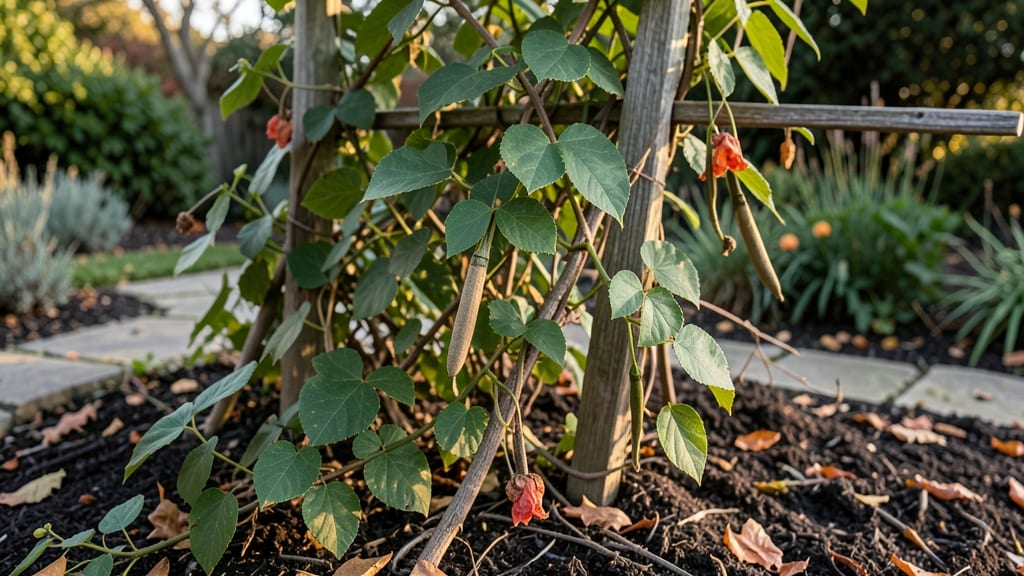
Trumpet creeper seed pods hold the key to next year’s fiery red cascades—if you collect and store them right. 🌿 These papery pods turn brittle by late summer, but harvesting them early ensures the highest viability for germination.
The dry-and-save method preserves seeds until spring, when warm soil and consistent moisture trigger growth.
Start by gathering mature pods when they’re dry but still intact, usually in late August to September. Remove the seeds carefully—they’re tiny but potent—and let them dry completely in a paper bag for 2-3 weeks to break dormancy.
Store them in an airtight container in a cool, dark place until planting season. This method works best for trumpet creeper’s finicky seeds, which often struggle with inconsistent moisture.
When spring arrives, scatter the seeds on top of well-draining soil in a sunny spot. Keep the surface lightly moist but never soggy—trumpet creeper seedlings despise dampness. Germination can take 2-4 weeks, and young plants grow fast once they break through.
Thin seedlings to 12-18 inches apart to give them room to climb and thrive.
If germination proves slow, don’t panic—trumpet creeper seeds sometimes need extra patience. For faster results, try layering seeds in damp sphagnum moss or using a heat mat to mimic spring soil temperatures.
Even with challenges, the reward is worth it: vibrant vines that transform fences and trellises into living tapestries of red.
📚 In This Guide
- What you need
- Instructions
- Tips and common mistakes
- Wrapping up and next steps
What you need
- ● Mature trumpet creeper seed pods: Harvest only fully dried, brown pods (they’ll pop open easily when ripe!). Aim for at least 10-15 pods for reliable germination.
- ● Pruning shears or sharp scissors: A clean, sterilized pair to snip pods without damaging the vine.
- ● Paper bags or breathable mesh sacks: 2-3 (1-gallon size) to allow airflow while pods dry completely.
- ● Labeling tags & permanent marker: To mark pods by harvest date and variety (if applicable).
- ○ Glove (optional but recommended): Protects hands from sticky sap and thorns while harvesting.
- ● Brown paper towels or newspaper: For drying seed pods indoors (lay flat in a single layer).
- ● Small cardboard boxes or envelopes: For long-term storage (place pods in 1-inch layers, separated by tissue paper).
- ○ Desiccant packets (optional): 1-2 to keep moisture out during storage.
- ○ Plastic container with lid (optional): Airtight for short-term storage (up to 6 months).
- ● 🌡️ Timing matters: Harvest pods in late fall or early winter when they’re fully dried but before they split open naturally.
- ● ✨ Avoid humidity: Store pods in a cool, dry place (50–60°F ideal) to prevent mold.
- ● 🔍 Quality check: Discard any pods with holes, mold, or pests—they won’t sprout!
Step-by-Step instructions for harvesting and storing trumpet creeper seed pods
Collecting and preserving trumpet creeper seed pods ensures a reliable source of vibrant blooms for seasons to come.
🌿 Step 1: Identify and Harvest Ripe Seed Pods
Trumpet creeper seed pods mature in late summer to early fall, turning from green to a papery brown when fully ripe. Look for pods that have split open naturally—they’ll reveal small, flat seeds inside. Harvest on a dry day to prevent moisture from accelerating decomposition.
Use clean, sharp pruning shears to snip entire seed pods from the vine, leaving a small portion of stem attached. This prevents damaging the plant and makes handling easier. Place harvested pods in a paper bag or breathable mesh bag to allow airflow while preventing seeds from scattering.
💧 Step 2: Dry the Seed Pods Thoroughly
Spread the harvested pods in a single layer on a dry, well-ventilated surface, such as a mesh screen or paper towel. Choose a location with indirect light and moderate humidity—direct sunlight can cause the pods to overheat or dry too quickly, which may affect seed viability.
Turn the pods every 2-3 days to ensure even drying. They’re ready when the pods are completely dry and brittle to the touch, typically within 2-3 weeks. If moisture remains, seeds may mold or fail to germinate. Store dried pods in a sealed container with a desiccant packet to maintain dryness.
✂️ Step 3: Extract and Store the Seeds
Once fully dried, gently crush the seed pods between your fingers or use a small hammer to release the seeds. Avoid pressing too hard, as the seeds are delicate. Sift the debris through a fine mesh sieve to separate the seeds from chaff, ensuring only clean seeds remain.
Store the extracted seeds in a labeled, airtight container filled with silica gel or a moisture-absorbing packet. Keep the container in a cool, dark place, such as a refrigerator or seed storage box. Properly stored, trumpet creeper seeds remain viable for 1-2 years, though germination rates decline over time.
☀️ Step 4: Test Germination Before Planting
Before sowing saved seeds, conduct a germination test by placing 10 seeds between damp paper towels in a sealed plastic bag. Keep them in a warm, dark location—around 70-75°F2-4 weeks.
If fewer than 50% of seeds sprout, the remaining batch may have low viability. In this case, supplement with fresh seeds or extend the storage period slightly. Once viable seeds are confirmed, plant them in well-draining soil and provide partial shade until established.
Tips & tricks for perfect trumpet creeper seed pod preservation
Mastering the preservation of trumpet creeper seed pods transforms a seasonal challenge into a year-round gardening asset. These refined techniques ensure optimal seed viability and simplify the process for consistent results.
Timing is Everything: Harvest trumpet creeper seed pods only when they've fully matured and turned papery brown, typically in late summer to early fall. I can't stress enough how critical this is—immature pods contain underdeveloped seeds that won't germinate. Look for pods that have naturally split open, revealing the flat seeds inside. Harvesting on a dry day is equally important, as moisture accelerates decomposition during storage.
Drying Strategy: The 2-3 week drying period mentioned in Step 2 requires careful attention to environmental conditions. I recommend placing your drying setup in a location with indirect light and moderate humidity—direct sunlight can overheat the pods, while high humidity slows drying. For even drying, turn the pods every 2-3 days as specified. You'll know they're ready when they become completely brittle to the touch, which typically occurs within the 2-3 week window. This thorough drying prevents mold and ensures seed viability.
Seed Extraction Technique: When extracting seeds in Step 3, use a gentle approach—crush the dried pods between your fingers or with a small hammer, but avoid excessive pressure that could damage the delicate seeds. I've found that using a fine mesh sieve afterward is invaluable for separating clean seeds from chaff. This meticulous separation process ensures you're only storing viable seeds, which directly impacts next year's germination success rate.
Storage Environment: The cool, dark storage conditions specified for Step 3 are non-negotiable for maintaining seed viability. I store my seeds in a refrigerator using airtight containers with silica gel packets. This creates an optimal environment that prevents moisture absorption and extends the 1-2 year viability period. Labeling your containers with the harvest date is also a professional tip I always use—it helps track seed age and potential viability declines over time.
Pro Tips for Trumpet Creeper Seed Pods
- Mastering the preservation of trumpet creeper seed pods transforms a seasonal challenge into a year-round gardening a...
- Timing is Everything: Harvest trumpet creeper seed pods only when they've fully matured and turned papery brown, typi...
- Drying Strategy: The 2-3 week drying period mentioned in Step 2 requires careful attention to environmental condition...
Frequently asked questions
Got questions about saving trumpet creeper seed pods? You’re not alone! Here are some of the most common queries—and their straightforward answers—to help you master the dry-and-save method like a pro.
When is the best time to harvest trumpet creeper seed pods?
Harvest seed pods when they turn light brown and begin splitting open naturally—usually late summer to early fall (August–October, depending on your climate). Avoid harvesting too early (green pods) or too late (scattered seeds). Aim for dry, warm days to prevent mold.
How long do I need to dry the seed pods before storing them?
Spread pods in a single layer in a well-ventilated area (like a mesh bag or paper towel-lined tray) for 2–4 weeks. They’re ready when they’re completely dry and brittle—test by gently crushing one; if it crumbles easily, it’s storage-ready! Store in a cool, dark place (like a sealed jar) for up to 2 years.
What should I do if my seed pods mold or develop pests?
If pods show fuzz, spots, or tiny bugs, act fast! Discard affected pods immediately. To prevent issues:
- Harvest on dry days (avoid humidity).
- Use a fan for airflow during drying.
- Store pods in a glass jar with silica gel or a sealed container with a desiccant packet.
Can I plant trumpet creeper seeds directly from the pod, or do they need prep?
For best results, stratify seeds first! Place pods in a moist paper towel inside a sealed bag and refrigerate for 4–6 weeks to mimic winter. Then, sow seeds ½ inch deep in well-draining soil. Trumpet creeper grows fast, so keep seedlings in pots until they’re 6 inches tall before transplanting.
Are there alternatives if I can’t find trumpet creeper seed pods?
No worries! Try these options:
- Buy seeds online from specialty nurseries (e.g., Burpee or Fast-Growing-Trees.com).
- Propagate from cuttings: Snip a 4–6 inch stem in spring/fall, dip in rooting hormone, and plant in moist soil.
- Ask local gardeners—trumpet creeper spreads easily, and they might share pods or cuttings!
Wrapping up and next steps
Harvesting and drying trumpet creeper seed pods is a rewarding way to ensure next year’s vibrant blooms—without breaking the bank! 🌿 With the right tools and a little patience, you’ll have a stash of seeds ready to plant, saving you time and effort.
Whether you’re a seasoned gardener or just starting out, this simple method makes it easy to propagate your favorite climbers.
Ready to take the next step? Grab your dried pods, mark your calendar, and get planting early in spring. Your future trumpet creeper vines—and their stunning orange flowers—will thank you! 🌸