
Lawn
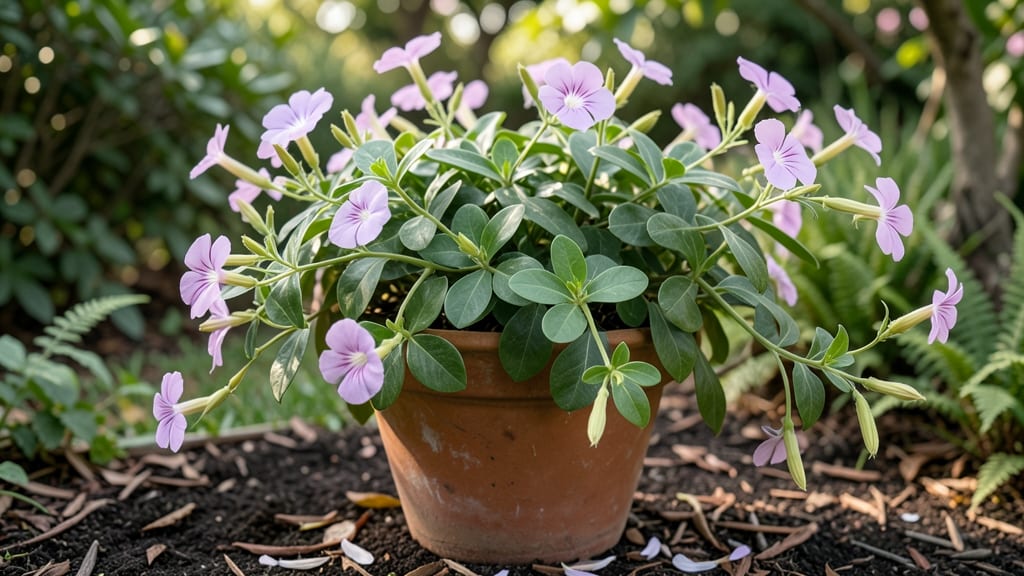
Those plump, papery vinca seed pods are nature's way of saying "save me for next year." 🌱 I've learned the hard way that waiting too long means they split open and scatter seeds everywhere—while harvesting them at the right moment gives you a zero-waste stash for next season's vinca plants.
Timing is everything: collect pods when they're fully brown but still intact, usually 4-6 weeks after flowering. A gentle squeeze should reveal firm seeds inside—if they rattle, you've missed the window.
Store them in a cool, dry place until spring, and you'll have fresh vinca plants without buying new ones.
Germination is where most people trip up, but it's actually simple: scatter seeds on top of barely moist soil in bright light, then mist them lightly. Keep the soil damp (not soggy) and expect sprouts in 2-4 weeks.
The key is patience—vinca seeds don't rush, but they'll reward you with glossy green foliage that thrives in heat and drought.
Once you've mastered the seed-saving dance, you'll never buy vinca again. The plants grow aggressively, spread naturally, and come back year after year—making this one of the most foolproof ways to fill your garden with low-maintenance beauty. Here's how to do it right the first time.
📚 In This Guide
- What you need
- Instructions
- Tips and common mistakes
- Wrapping up and next steps
What you need
- ● Mature vinca plants (Vinca minor or Vinca major) – Ensure they have fully ripened seed pods (usually late summer to early fall).
- ● Sharp pruning shears or small scissors – For cleanly snipping seed pods from the stems.
- ● Paper towels or newspaper – To line a drying tray or basket.
- ● Brown paper bags or envelopes – For storing dried pods (1–2 per plant, depending on yield).
- ○ Small wooden skewers or toothpicks – Optional but helpful for gently popping open stubborn pods.
- ● Pencil or label tags – To label seeds with the variety and date.
- ● Air-dry space – A warm, dry, and well-ventilated area (like a porch or garage).
- ● Seed-saving journal – To track pod maturity, germination rates, and plant traits.
- ● Desiccant packets – For long-term seed storage in airtight containers.
- ● Magnifying glass – To inspect tiny seeds or check for pests.
- ● Glass jars with lids – For storing seeds beyond the initial drying phase.
- ● Rubbing alcohol (70% isopropyl) – For sterilizing tools if you’re dealing with moldy pods.
Step-by-Step guide to harvesting vinca seed pods
Here’s how to collect seeds from mature vinca plants without wasting a single pod.
🌿 Step 1: Identify Mature Seed Pods
Vinca seed pods turn from green to a papery brown when ready—this usually happens in late summer or early fall, depending on your climate. Look for pods that feel dry to the touch and split open slightly at the seams. If you press gently, you should hear a faint crackling sound, signaling the seeds inside are fully developed.
I always check pods in the morning after dew has dried, as moisture can make them feel falsely fresh. Harvesting too early means seeds won’t germinate, while waiting too long risks them scattering on the ground. A good rule of thumb: if the pod splits open when you handle it, it’s ready.
✂️ Step 2: Gently Remove Pods From the Plant
Use clean, sharp scissors or pruners to snip the entire seed pod from the stem, leaving about ½ inch of stem attached. This prevents the pod from tearing and ensures you don’t accidentally drop seeds. Place the pods in a paper bag or envelope—paper breathes better than plastic and prevents mold.
Don’t pull pods off by hand, even if they look ready. The stems are delicate, and rough handling can crush the seeds inside. If you’re harvesting multiple plants, work systematically, starting with the oldest pods first. This keeps your collection organized and prevents overripe pods from bursting open prematurely.
🪴 Step 3: Dry and Store Seed Pods Properly
Spread the harvested pods in a single layer on a dry, well-ventilated surface, like a mesh screen or open cardboard box. Keep them in a dry, shaded spot indoors for 1-2 weeks—this allows any remaining moisture to evaporate and ensures the pods fully dry out. You’ll know they’re ready when they feel brittle and the seeds rattle inside when shaken.
Once fully dry, store the pods in a sealed envelope or small paper bag in a cool, dark place. Label each bag with the vinca variety and the harvest date. Properly dried seeds stay viable for 2-3 years, but germination rates drop after the first year, so use the oldest seeds first.
🌱 Step 4: Extract Seeds for Planting
When you’re ready to plant, gently crush each dried pod between your fingers over a clean sheet of paper. The seeds will spill out easily—vinca seeds are small and dark, often resembling tiny beans. Discard any empty pods or debris, then sift the seeds into a small container for storage or immediate planting.
I like to plant vinca seeds as soon as they’re extracted, as they germinate best when fresh. Sprinkle them lightly over well-draining soil and press them in—no need to cover them, as vinca seeds require light to germinate. Keep the soil consistently moist but never soggy, and you’ll see sprouts in 2-4 weeks.
⏰ Step 5: Time Your Harvest for Best Results
For zero-waste seed saving, time your harvest just before the first frost. If pods are still green when fall arrives, leave them on the plant—they’ll finish ripening over winter. However, if a hard freeze is forecast, harvest what you can and finish drying them indoors.
Real talk: vinca plants are tough, but their seed pods are delicate. If you miss the harvest window, don’t worry—you can still collect seeds from pods that have fallen to the ground, though they may be less viable. Just be sure to clean them thoroughly before drying to avoid mold.
Tips & tricks for perfect vinca seed pod harvesting
Here's what nobody tells you—these little details make all the difference when saving vinca seeds.
Timing is Everything: The morning after dew dries is your sweet spot for Step 1. Pods feel deceptively fresh when damp, so wait until they're completely dry to touch. I've missed harvests by rushing—wait for that papery brown color and that telltale crackling sound when pressed. Trust me on this: patience prevents wasted effort.
Harvest Technique: In Step 2, those sharp scissors aren't just for clean cuts—they're for seed safety. The ½-inch stem attachment keeps pods intact while you transfer them to your paper bag. I've learned the hard way that hand-pulling crushes seeds, and once they're damaged, you're out that season's crop. Work from oldest to newest pods to avoid overripe ones bursting prematurely.
Drying Wisdom: The 1-2 week drying period in Step 3 isn't just about time—it's about conditions. Spread pods where they get airflow but no direct sunlight (which can overheat them). I place mine on a mesh screen in my laundry room during the day. When they feel brittle and rattle like maracas, they're ready. Too soon? Seeds won't dry properly. Too late? They'll scatter when you try to extract them.
Storage Strategy: Those sealed envelopes in Step 3 aren't just for organization—they're for seed longevity. Labeling with variety and date isn't optional; germination rates drop dramatically after the first year. I keep mine in the back of my pantry where it stays consistently cool. The dark prevents light-sensitive seeds from degrading faster.
Pro Tips for Vinca Seed Pods
- Here's what nobody tells you—these little details make all the difference when saving vinca seeds.
- Timing is Everything: The morning after dew dries is your sweet spot for Step 1. Pods feel deceptively fresh when dam...
- Harvest Technique: In Step 2, those sharp scissors aren't just for clean cuts—they're for seed safety. The ½-inch ste...
Frequently asked questions
Got questions about vinca seed pods? You’re not alone!
Here are the most common queries—plus quick, actionable answers—to help you master zero-waste seed saving with confidence.
When are vinca seed pods ready to harvest?
Harvest vinca seed pods when they turn tan or light brown and split open naturally (usually late summer to early fall). Avoid harvesting if pods are still green or hard—the seeds won’t be mature. Pro tip: Gently squeeze a pod to check for loose seeds inside!
How long do vinca seed pods take to mature?
From flowering to seed maturity, vinca pods typically take 6–10 weeks, depending on climate. In warmer zones, pods may mature faster (8–10 weeks), while cooler areas could extend this to 10–12 weeks. Patience pays off!
Can I save seeds from vinca plants grown in containers?
Yes! Container-grown vinca will produce seed pods just like in-ground plants. Ensure pots are large enough (at least 12–18 inches wide) for healthy growth. Bonus: Containers make it easy to monitor pods and protect them from pests or harsh weather.
What if my vinca seed pods never open?
If pods stay closed, they’re likely underripe. Wait 1–2 more weeks and check again. If they’re still hard, try gently cracking them open with a clean knife—just avoid damaging the seeds inside. Alternative: Place pods in a paper bag for a few days to speed up drying.
Are vinca seeds toxic like the plant itself?
Yes, all parts of vinca (including seeds) are toxic if ingested. Handle seeds with gloves, and store them in a sealed container away from pets/children. Never compost vinca plants—opt for trash disposal instead.
Wrapping up and next steps
Vinca seed pods offer a simple, rewarding way to propagate these hardy plants while embracing zero-waste gardening.
By timing your pod-popping just right—when they’re slightly wrinkled but not yet split open—you’ll secure healthy seeds for future growth. Now’s your chance to turn those pods into a sustainable gardening asset! Grab your gloves, head outdoors, and give it a try—your garden (and the planet) will thank you.
🌱 Ready to dive deeper? Explore our guide on storing and germinating vinca seeds for even more tips!