
Lawn
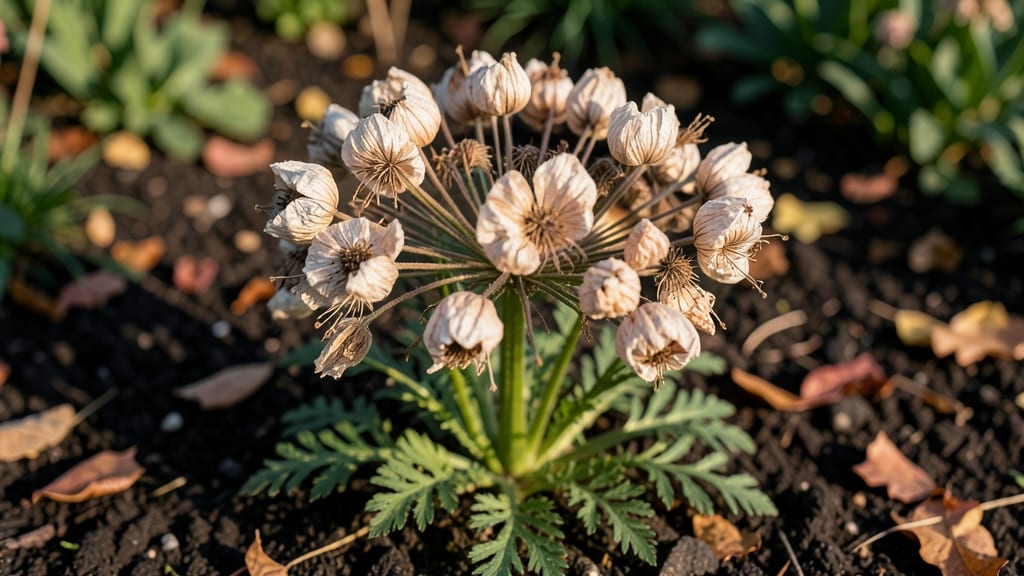
Anemone seed heads hold the promise of next year’s garden magic—if you know how to save them. 🌿 The key is timing: harvest them when the seed pods turn brown and papery but haven’t burst open, usually in late fall or early winter.
I’ve learned that patience here pays off—rushing means empty pods, while waiting too long means seeds scatter before you can collect them.
You’ll need just a few simple tools: sharp scissors or pruners, a breathable paper bag for drying, and a labeled envelope for storage. The process is straightforward but requires attention to detail—anemone seeds are delicate, and proper drying prevents mold.
Once dry, store them in a cool, dark place until planting season, where they’ll stay viable for up to two years.
When spring arrives, you’ll be rewarded with fresh anemones blooming where you planted last year’s seeds. The secret? Lightly scratch the seed coat before planting to encourage germination—this small step makes all the difference.
With the right care, your saved seeds will produce plants just as striking as those from nursery starts.
This method works for both Japanese and hybrid anemones, and it’s perfect for gardeners who love propagating plants from their own harvest. Whether you’re expanding your garden or simply preserving a favorite variety, saving anemone seeds is a rewarding way to grow more for less.
📚 In This Guide
- What you need
- Instructions
- Tips and common mistakes
- Wrapping up and next steps
What you need
- ● Mature anemone seed heads: Harvest when they’ve fully dried on the plant (usually late summer/fall). Aim for 10-15 heads per batch, depending on storage space.
- ● Pruning shears or sharp scissors: Clean, sterilized tools to snip stems 1-2 inches below the seed head.
- ● Brown paper bags (or kraft paper): 2-3 medium-sized bags (12x15 inches) with breathable sides for airflow.
- ● Rubber bands or twine: To secure bag openings loosely.
- ○ Drying rack or mesh screen: Optional but helpful for elevated airflow (e.g., a wire cooling rack or a wooden frame with mesh).
- ● Air-tight storage containers: 1-2 containers (e.g., glass jars with lids, resealable plastic bags, or seed envelopes).
- ● Permanent markers or labels: To tag containers with the variety name and harvest date.
- ○ Fine mesh sieve (optional): For separating seeds from chaff after drying.
- ● A dry, shaded, and well-ventilated space (e.g., garage, shed, or indoor area with 50-60% humidity). Avoid direct sunlight or damp spots!
- ● Patience: Drying takes 2-4 weeks—don’t rush it!
- ○ Gloves (optional): If you’re sensitive to plant fibers or thorns.
Instructions for harvesting, drying, and storing anemone seed heads
Here's how to preserve your anemones' beauty for next season's garden—no fancy tools needed.
🌱 Step 1: Harvest Seed Heads at Peak Maturity
Wait until the seed heads turn a uniform brown and the stems feel completely dry to the touch. This usually happens 4-6 weeks after flowering, when the fluffy seed plumes stand upright instead of drooping. Use clean, sharp scissors to cut the entire seed head—about 2-3 inches of stem—just above a leaf node to encourage bushier growth next year.
Harvest on a dry morning after any morning dew has evaporated. Wet seed heads take longer to dry properly and may develop mold. I like to gather them in small batches throughout the season as individual blooms fade, rather than waiting for all heads to mature at once.
💧 Step 2: Clean and Prepare for Drying
Remove any remaining foliage or damaged stems from the seed heads, but leave the fluffy seed plumes intact. Shake each head gently over a clean surface to remove loose debris, spider webs, or insect eggs that might have overwintered. This step prevents pests from hitchhiking into your storage area.
Don't wash the seed heads—they need their natural oils to prevent drying too quickly. Instead, use a soft brush to remove dust if needed. Arrange the cleaned heads in a single layer on a paper towel-lined tray or hang them upside down in small bundles with twine.
☀️ Step 3: Dry Seed Heads Thoroughly
Place the drying trays or bundles in a warm, dry location with good air circulation, like a covered porch or basement with a dehumidifier. Ideal drying conditions are 65-75°F with 40-50% humidity. Complete drying takes 2-4 weeks, depending on your climate—you'll know they're ready when the stems snap cleanly when bent.
Check weekly for signs of mold or pests. If you notice any fuzzy growth or tiny insects, discard those heads immediately and try drying the remaining batch in a different location. I often prop open a window near my drying area to maintain airflow without creating drafts.
🪴 Step 4: Store Seed Heads Properly
Once completely dry, remove any remaining stems and separate the seed plumes into small paper envelopes or mesh bags. Label each package with the anemone variety and the harvest date—some seed heads maintain viability for 3-5 years when stored correctly. I use kraft paper envelopes because they're breathable and prevent moisture buildup.
Store the sealed packages in a cool, dark place like a pantry or seed storage box. Avoid refrigeration unless you live in a very humid climate—temperature fluctuations can cause condensation inside the packages. Check your stored seed heads annually and discard any that smell musty or show signs of damage.
⏰ Step 5: Prepare for Next Year's Planting
When ready to plant, soak the dried seed heads in lukewarm water for 24 hours to soften the seed cases. This mimics natural spring rains and helps break seed dormancy. After soaking, remove the seeds from their protective fluff and plant them ¼ inch deep in well-draining soil, keeping it consistently moist until germination.
Anemone seeds can be finicky—don't be discouraged if germination takes 3-6 weeks. Thin seedlings to 6 inches apart once they develop their first true leaves. I've found that planting seeds in late summer gives them time to establish roots before winter, often resulting in earlier blooms the following spring.
Tips & tricks for perfectly preserved anemone seed heads
These little details make all the difference between seed heads that last years and ones that crumble in weeks.
Timing Secret: In Step 1, when harvesting, check the seed heads by gently squeezing the stems—if they feel dry and brittle, they're ready. I've learned the hard way that harvesting too early means seeds won't mature properly, while waiting too long risks them scattering before you can collect them. That 4-6 week window is critical for both seed development and easy harvesting.
Drying Location Strategy: For Step 3, I've found that a sunny windowsill with a small fan blowing gently works wonders for consistent drying. The 65-75°F range is ideal, but if your home runs warmer, move the drying area to a shaded spot. You'll know it's working when the stems snap cleanly at the bend—this tells you the moisture content is perfect for long-term storage.
Storage Wisdom: In Step 4, when separating the seed plumes, I add a small silica gel packet to each envelope before sealing. This extra step prevents moisture buildup and extends viability beyond the 3-5 year mark. Just make sure to use food-grade silica packets—regular ones can be toxic to seeds.
Pro Tips for Anemone Seed Heads
- These little details make all the difference between seed heads that last years and ones that crumble in weeks.
- Timing Secret: In Step 1, when harvesting, check the seed heads by gently squeezing the stems—if they feel dry and br...
- Drying Location Strategy: For Step 3, I've found that a sunny windowsill with a small fan blowing gently works wonder...
Frequently asked questions
Got questions about saving those stunning anemone seed heads for next season? You’re in the right place! Here are some of the most common queries—plus quick, actionable answers to keep your garden thriving.
When is the best time to harvest anemone seed heads?
Harvest seed heads once they’ve fully dried on the plant—usually late summer to early fall. Look for brown, papery seed pods that easily release seeds when gently squeezed. Avoid harvesting too early, or the seeds won’t be viable!
How long can I store dried anemone seeds?
Store seeds in a cool, dry place (like a sealed envelope or jar) for up to 1–2 years. For best results, keep them in the fridge or freezer to extend viability. Label your containers with the harvest date to track freshness!
What if my anemone seeds don’t germinate?
Try stratification: Mix seeds with damp sand, refrigerate for 4–6 weeks, then plant. Poor germination often stems from immature seeds or improper drying. Test a few seeds in a small pot first to troubleshoot!
Can I use anemone seed heads for anything other than planting?
Dry seed heads add textural interest to winter bouquets or floral arrangements. Their delicate, feathery look contrasts beautifully with evergreens or dried grasses. Just let them air-dry completely first!
Should I deadhead anemones before saving seeds?
Nope! Deadheading (removing spent blooms) encourages more flowers but prevents seed production. If you want seeds, skip deadheading and let the blooms fade naturally. The seed heads will form right where the flowers were!Wrapping up and next steps
Anemone seed heads are a gardener’s secret weapon for next year’s vibrant blooms—and now you’ve got the know-how to dry and store them like a pro! 🌸 Whether you’re a seasoned green thumb or just starting out, preserving these delicate treasures ensures your garden stays full of life and color. Ready to turn this year’s harvest into next year’s showstopper?
Your next step? Grab those dried seed heads and tuck them into a cool, dark spot until planting season rolls around. Pro tip: Label your storage containers so you’ll never mix up your varieties! Now, take a deep breath—your future garden is already blooming in your hands. 🌱✨