
Propagation
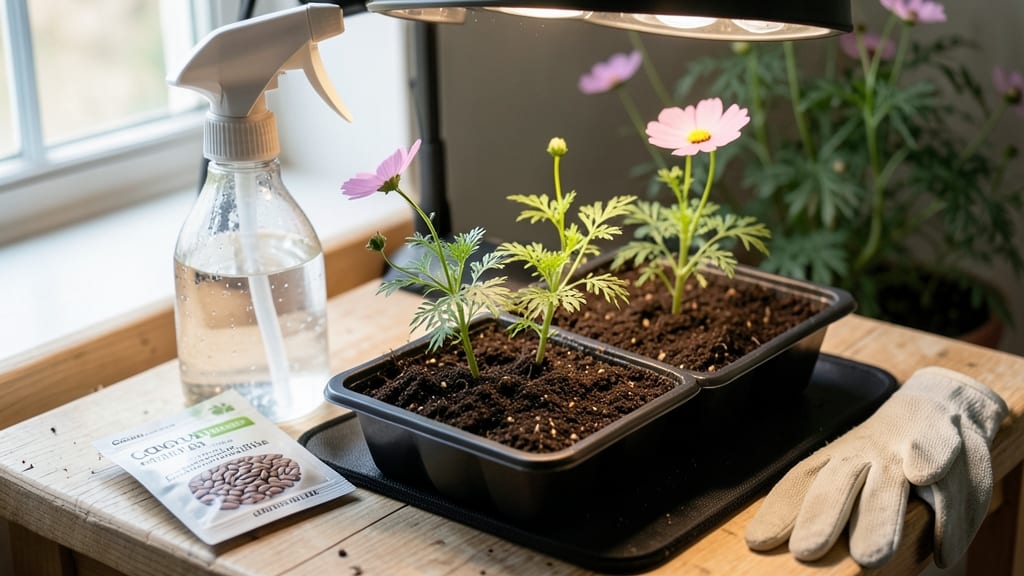
Starting cosmos seeds is simpler than you think—preventing black mold just takes the right balance of moisture and airflow. 🌱 I’ve lost count of the seedlings I’ve sacrificed to that fuzzy menace, but this one trick keeps my cosmos thriving from seed to bloom.
The secret isn’t complicated: it’s all about how you handle water and light from day one.
Cosmos seeds germinate fast—sometimes in just 3-5 days—but they’re sensitive to soggy soil. Too much water or poor drainage triggers that dreaded black mold, while too little stunts their growth. The fix?
Use a lightweight seed-starting mix, plant shallowly (just ¼ inch deep), and keep the soil barely damp, not soaked. A clear plastic dome or humidity tent helps without smothering them.
By the time you’re transplanting, you’ll have stocky, mold-free seedlings ready to handle outdoor conditions. They’ll bloom earlier than store-bought plants and attract pollinators like crazy. The best part? This method works whether you’re starting indoors in March or direct-sowing in late spring—no fancy equipment needed.
Fair warning: cosmos seedlings do get leggy fast, but that’s easy to fix with proper light. A sunny windowsill or grow light keeps them strong. Once they’re 2-3 inches tall, you’ll be pinching back to encourage bushier growth—and fewer mold problems down the road.
📚 In This Guide
- What you need
- Instructions
- Tips and common mistakes
- Wrapping up and next steps
What you need
- ● Cosmos seeds: 5–10 seeds (non-GMO, untreated for best results).
- ● Seed-starting containers: 4–6 biodegradable pots (2–3 inches deep) or
- ● A seed tray with drainage holes (10–12 inches long).
- ● High-quality seed-starting mix: 1–2 cups (sterilized, peat-free or coco coir-based to reduce mold risk).
- ● Spray bottle: 8–16 oz (for gentle watering).
- ○ Clear plastic dome or humidity tray: Optional but highly recommended for humidity control.
- ● Grow lights or sunny windowsill: 6–8 hours of indirect light daily (south-facing window or LED grow light).
- ○ Small fan (optional but helpful): For air circulation (1–2 inches from seedlings).
- ● Clean workspace: Disinfect surfaces with rubbing alcohol to prevent contamination.
- ● Patience: Cosmos seeds germinate in 7–21 days—stay consistent!
- ● Warmth: Ideal soil temp: 70–75°F (use a heat mat if needed).
Step-by-Step instructions for starting cosmos seeds without black mold
Here's my foolproof method for germinating cosmos seeds—no mold, no fuss, just vibrant seedlings ready for transplanting.
🌱 Step 1: Prepare Containers and Soil for Optimal Drainage
Fill small pots or seed trays with a lightweight seed-starting mix—cosmos seeds despise soggy soil, which is where that dreaded black mold starts. I use biodegradable peat pots (they dissolve when transplanting) and mix in 20% perlite to boost drainage. Moisten the mix until it feels like a damp sponge, not dripping wet.
Press the soil down gently to remove air pockets, but don’t compact it—cosmos roots need room to breathe. Place your containers in a warm spot (65-75°F) before sowing. If your space runs cooler, a seedling heat mat will speed up germination. Here’s the thing—cosmos seeds are tiny, so I use toothpicks to create tiny planting holes just ¼ inch deep. This prevents burying them too deep, which delays sprouting.
💧 Step 2: Sow Seeds and Mist—Never Water from Above
Sprinkle 2-3 seeds per pot into those toothpick holes, then cover lightly with a fine layer of soil—just enough to hide them. The key to preventing mold is gentle moisture control. Instead of watering from above (which can bury seeds or create damp conditions), I use a spray bottle to mist the soil until it’s evenly damp but not soaked.
Place a clear plastic dome or plastic wrap over the containers to retain humidity, but leave it slightly ajar for airflow. Cosmos seeds need consistent moisture but zero standing water. Check daily—if condensation forms on the dome, lift it for 10 minutes to air out. Black mold thrives in stagnant moisture, so circulation is your first line of defense.
☀️ Step 3: Provide Warmth and Indirect Light for Germination
Cosmos seeds germinate best in warmth (70-75°F) and bright, indirect light. A sunny windowsill works, but avoid direct midday sun, which can overheat the soil. If your seeds haven’t sprouted in 10-14 days, they may need warmth—try a seedling heat mat or move them closer to a warm spot like near a south-facing window.
Watch for the first tiny green hooks breaking through the soil—that’s your signal to remove the plastic dome immediately. Once seedlings emerge, they need 12-14 hours of light daily. If they stretch toward the light (a sign of legginess), your light source is too far away. Strong cosmos seedlings have bold, deep green leaves and sturdy stems—not weak, pale growth.
✂️ Step 4: Thin Seedlings and Harden Off for Outdoor Success
When seedlings reach 2 inches tall, thin them to the strongest one per pot using clean scissors. Snip at soil level to avoid disturbing roots—cosmos hate being transplanted later. After thinning, let the soil dry slightly between waterings. Overwatering now leads to mold outbreaks, so water only when the top inch feels dry.
Two weeks before your last frost, start hardening off seedlings by placing them outside in partial shade for 1-2 hours daily. Gradually increase their time outdoors, ending with a full day in morning sun. Cosmos are drought-tolerant once established, but young plants need consistent moisture during this transition. You’ll know they’re ready when they look perky and vibrant, not wilted or stressed.
Tips & tricks for perfect cosmos seed starting
Took me years of trial-and-error to perfect these—here's how to avoid the most common pitfalls when growing cosmos from seed.
The Soil Secret: That 20% perlite mix in Step 1 isn't just about drainage—it creates tiny air pockets that prevent compaction. If you don't have perlite, crushed vermiculite works too, but test your soil first. Press it gently—it should spring back like a sponge, not stay indented. Over-compacted soil suffocates those delicate cosmos roots, leading to mold before sprouting even begins.
Temperature Matters: The 65-75°F range in Step 1 is critical for germination, but here's the thing—most homes run cooler than 65°F. Place your seed trays on top of your fridge (not inside) or use a seedling heat mat set to low. I've seen germination rates double when seeds stay consistently above 70°F. Pro tip: Check your thermometer at seed level, not room level—floor temps can be 10°F cooler than countertops.
Germination Timeline: Those 10-14 days in Step 3 can feel like forever, but here's what to watch for: After 7 days, gently press the soil—if it's bone dry, mist again. After 10 days, if no sprouts appear, your seeds may need warmth or fresh soil. I've found that pre-soaking seeds overnight in warm water (not hot) can cut germination time by 2-3 days, but only do this if your seeds are extra old or stored in dry conditions.
Thinning Technique: When you reach Step 4 and those 2-inch seedlings appear, don't grab the weakest one first—snip the strongest one last. This gives you a backup if your scissors slip (it happens!). Also, use sterilized scissors—dip them in rubbing alcohol between cuts to prevent introducing pathogens to your remaining seedlings. I keep a small bottle of 70% isopropyl alcohol handy for this exact purpose.
Pro Tips for Cosmos Seed Starting
- Took me years of trial-and-error to perfect these—here's how to avoid the most common pitfalls when growing cosmos from seed.
- The Soil Secret: That 20% perlite mix in Step 1 isn't just about drainage—it creates tiny air pockets that prevent compaction.
- Temperature Matters: The 65-75°F range in Step 1 is critical for germination, but here's the thing—most homes run cooler than 65°F.
Frequently asked questions
Got questions about starting cosmos seeds? You’re not alone—gardeners often wonder about timing, mold prevention, and more. Here are some of the most common queries (and answers!) to help you grow thriving cosmos plants.
How long does it take for cosmos seeds to germinate?
Cosmos seeds typically sprout in 7–14 days after planting, depending on soil warmth and moisture. Keep the soil consistently damp (not soggy) and place trays in a sunny spot or under grow lights. If you’re impatient, pre-soaking seeds for 24 hours can speed up germination. Patience pays off—don’t worry if it takes a little longer!
Should I start cosmos seeds indoors or outdoors?
For most climates, direct sowing outdoors after the last frost is easiest—cosmos seeds love warmth and hate transplant shock. However, if your spring is late or cold, start seeds indoors 4–6 weeks before the last frost in biodegradable pots. Harden off seedlings for 5–7 days before moving them outside to avoid stress.
Why is black mold appearing on my cosmos seedlings?
Black mold (often Botrytis or Pythium) thrives in overly wet, humid, or poorly ventilated conditions. To prevent it, ensure pots have drainage holes, avoid overhead watering, and space seedlings for airflow. If mold appears, remove affected seedlings immediately and treat with a 1:9 hydrogen peroxide-water mix (spray lightly on soil).
Can I reuse soil from last year’s cosmos seeds?
Reusing soil isn’t recommended unless it’s been pasteurized (heated to 180°F for 30+ minutes) to kill fungi, bacteria, or pests. Cosmos seeds are light and fast-growing, so fresh, sterile potting mix with perlite or vermiculite ensures the best start. If you’re on a budget, mix old soil with 25% new soil and a handful of compost for a boost.
Do cosmos seeds need light to germinate?
Cosmos seeds don’t need light to germinate—they’ll sprout just fine in darkness! However, once they’ve sprouted (1–2 inches tall), move them to a bright, sunny window or grow lights (12–16 hours/day). Too little light leads to leggy, weak seedlings. A south-facing window or a simple LED bulb works perfectly.
Wrapping up and next steps
Starting cosmos seeds is a rewarding journey, and with the right care—especially avoiding black mold—you’ll be treated to vibrant blooms that brighten any garden. 🌱 The key lies in proper moisture control, airflow, and patience, ensuring your seedlings thrive from the get-go.
Now that you’re armed with the know-how, it’s time to roll up your sleeves and get growing!
🌱 Next Steps:
- Plant your cosmos seeds in well-draining soil and monitor for the first sprouts (usually within 7–14 days!).
- Keep a gardening journal to track progress and adjust care as needed.
- Share your blooming cosmos with fellow gardeners—inspiration spreads faster than mold! 🌸