
Lawn
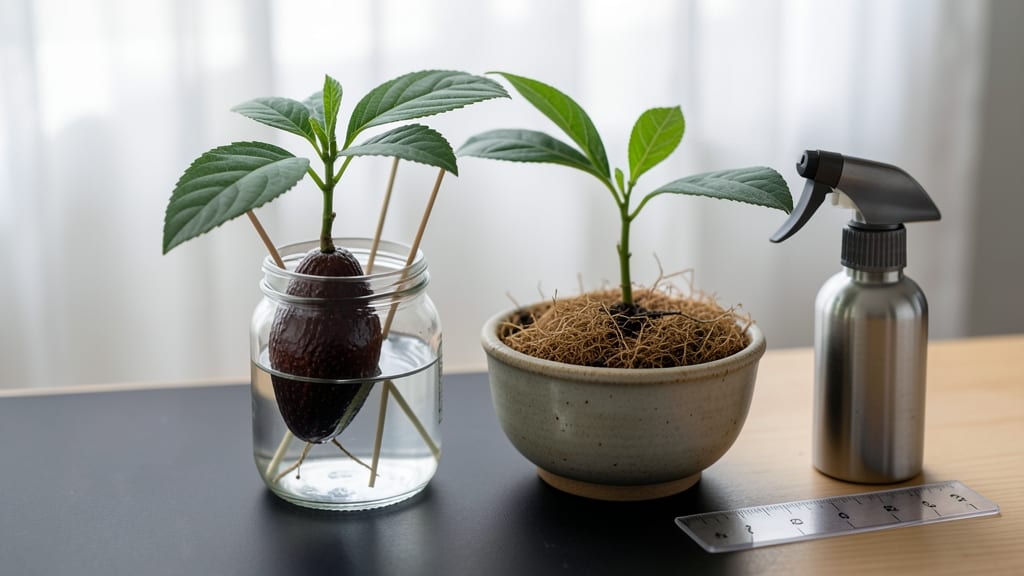
Getting that avocado seed to sprout isn’t just a science experiment—it’s a tiny green promise waiting to happen. 🌱 I’ve sprouted dozens of seeds, and the key starts with the pit: clean it thoroughly, pierce the bottom, and suspend it over water so the base stays damp but never soggy.
Most people rush this step, but patience here means the difference between a thriving seedling and a moldy mess.
You’ll need just three things: a clean avocado pit, a glass of water, and a toothpick to hold it steady. Change the water every 2-3 days to keep it fresh, and place your setup in bright, indirect light.
Roots should appear in 2-6 weeks, but don’t be discouraged if it takes longer—some seeds are just late bloomers. The moment you see those first white roots, you’re officially on your way to a tiny avocado tree.
Once roots reach about 3-4 inches, it’s time to plant it in soil. Use a well-draining potting mix and keep it moist but not waterlogged. Place the pot in a sunny window or under grow lights, and watch as a sprout emerges within a few weeks.
The real magic happens when those first leaves unfurl—proof that your patience paid off.
Troubleshooting is half the fun. If your seed rots, it’s likely sitting in too much water. Slow growth? Check the light—avocado seedlings need bright but indirect sunlight. And yes, it’s normal for the seed to take weeks to sprout.
The journey is part of the reward, and before you know it, you’ll have a houseplant that’s as satisfying to grow as it is to admire.
📚 In This Guide
- What you need
- Instructions
- Tips and common mistakes
- Wrapping up and next steps
What you need
- ● 1 fresh, organic avocado pit – Choose a seed from a ripe avocado (the fresher, the better!)
- ● Toothpicks (3-4) – For balancing the seed while it sprouts roots
- ● Small glass or jar (16-20 oz) – Clear glass works best so you can monitor root growth
- ● Water (room temperature) – Enough to cover about 1 inch of the seed’s base
- ● Paper towels or coffee filters – 2-3 sheets to line the jar and keep the seed stable
- ● Patience & a sunny windowsill (or grow light) – Roots take 2-6 weeks to appear!
- ● Potting soil (sterile, well-draining) – For transplanting once roots are 2-3 inches long
- ● Small pot (4-6 inches in diameter) – With drainage holes to prevent root rot
- ● Spray bottle – For gentle watering after transplanting
- ● Plant food (balanced, diluted fertilizer) – Once your seedling is established (after 3-4 months)
- ● Humidity dome or plastic wrap – To create a mini greenhouse effect for faster growth
Step-by-Step instructions for sprouting an avocado seed
Here's my tried-and-true method for growing a lush avocado plant from a single seed.
🌱 Step 1: Extract and Prepare the Seed
Start with a fresh avocado pit—one that hasn't dried out or been refrigerated for months. Rinse it under cool water to remove any remaining fruit pulp, then gently pat it dry with a paper towel. The key is to expose the small, flat end where the seed attaches to the fruit. Use a butter knife to carefully slice off the hard outer shell, leaving the seed intact inside.
Here's the thing—avocado seeds have a thick, fibrous layer that slows germination. I like to soak the exposed seed in lukewarm water for 24-48 hours to soften it. Change the water halfway through to prevent mold. You'll know it's ready when the seed feels slightly softer and the tip begins to swell slightly.
💧 Step 2: Set Up the Germination Station
Take three or four toothpicks and arrange them around the seed, evenly spaced. The toothpicks should balance the seed with the pointy end facing down and the flat end facing up. Place the seed over a small glass or jar filled with 1-2 inches of water. The water level should just touch the bottom of the seed—no higher, or it will rot.
Cover the setup with a plastic bag or wrap it in clear plastic wrap to create a humid environment. This keeps the seed moist and mimics the tropical conditions it thrives in. Place it in a warm spot, like on top of your fridge or near a sunny window. You'll see the first signs of life in 2-6 weeks, depending on your home's temperature and humidity.
☀️ Step 3: Encourage Root and Sprout Growth
Once the seed starts to sprout, you'll notice a small white root emerging from the bottom. This is your signal to keep the water level consistent—just enough to keep the root submerged but not drowning the seed. Change the water every 2-3 days to prevent bacteria buildup. You'll see the root grow 1-2 inches per week if conditions are right.
When the sprout appears—usually a green stem with small leaves—it's time to transition to soil. The root should be at least 2-3 inches long before planting. This ensures the seedling has enough energy to establish itself. Watch for yellowing leaves or slow growth; these are signs the root needs more oxygen or the water is too stagnant.
🪴 Step 4: Plant the Seedling in Soil
Fill a 6-inch pot with well-draining potting mix. Make a small hole in the center and gently place the seedling into the soil, burying about half of the seed (the part that was attached to the fruit). Press the soil lightly around the seedling to secure it, but don't pack it down too tightly. Water the soil until it's moist but not soggy.
Place the pot in a bright, indirect light spot—like an east-facing window—to avoid shocking the seedling with too much sun. Keep the soil consistently moist but not waterlogged. You'll see new leaves emerge within 2-4 weeks, signaling that your avocado seedling is thriving. Avoid fertilizing for the first 3 months; the seedling needs time to establish its root system before extra nutrients.
⏰ Step 5: Maintain and Care for Your Young Plant
Once your avocado plant reaches 12-18 inches tall, it's ready for a larger pot—10-12 inches in diameter. Use a pot with drainage holes to prevent root rot. Continue watering when the top 1-2 inches of soil feel dry to the touch. Avocado plants are thirsty but hate soggy roots, so always err on the side of slightly drier soil.
Rotate the pot a quarter turn weekly to ensure even growth toward the light. You'll notice the plant growing toward one side if it's not getting balanced light. If you want to encourage flowering (and eventually fruit), provide 12-14 hours of light daily and maintain temperatures between 65-80°F. Patience is key—avocado trees can take 3-5 years to bear fruit indoors, but the journey is worth it!
Tips & tricks for sprouting avocado seeds
These simple tricks will help you avoid common pitfalls and maximize your chances of success with your avocado seedling.
Seed Preparation Secret: When you're exposing the seed in Step 1, don't rush the shell removal. The seed itself is delicate—use a butter knife to gently scrape away the outer shell while keeping the seed intact. I've ruined three seeds by being too aggressive and splitting them open. Once exposed, the seed should feel firm but slightly yielding, not brittle. This careful preparation sets the stage for successful germination.
Water Level Watch: In Step 2, maintaining the right water level is crucial. The bottom of the seed should stay submerged, but the top should remain dry—this prevents rot. I've found that using a clear glass jar lets you easily monitor the water level without disturbing the seed. Change the water every 2-3 days as instructed, but also check it daily in case of evaporation. A damp paper towel wrapped around the seed can help maintain humidity if the air in your home is particularly dry.
Germination Environment: The humid environment created in Step 2 is what mimics tropical conditions. If your home is cool (below 65°F), consider placing the seed setup on top of your refrigerator or near a sunny window. You'll know you're on the right track when you see the first signs of life—usually a small white root—within 2-6 weeks. If you don't see any growth after 6 weeks, don't give up! Some seeds take longer, especially if your home is cooler or drier than ideal.
Transplanting Timing: In Step 3, wait until the root is at least 2-3 inches long before transplanting. This might take a few weeks, but it's worth the wait. A longer root means a stronger seedling that's better equipped to handle the transition to soil. When you're ready to plant, use your finger to make a small hole in the soil—just enough to accommodate the root without bending it. Gently press the soil around the seedling to secure it, but avoid compacting it too tightly, which can hinder root growth.
Pro Tips for How Do I Get An Avocado Seed To Sprout
- These simple tricks will help you avoid common pitfalls and maximize your chances of success with your avocado seedling.
- Seed Preparation Secret: When you're exposing the seed in Step 1, don't rush the shell removal. The seed itself is de...
- Water Level Watch: In Step 2, maintaining the right water level is crucial. The bottom of the seed should stay submer...
Frequently asked questions
Got questions about sprouting avocado seeds? You’re not alone! Here are some of the most common queries—and their answers—to help you navigate the process like a pro.
How long does it take for an avocado seed to sprout?
Patience is key! Most avocado seeds take 2–6 weeks to sprout, depending on warmth, moisture, and humidity. Keep the toothpick setup in a warm, bright spot (but avoid direct sunlight) and check for tiny roots or a crack in the seed—signs it’s waking up!
What if my avocado seed isn’t sprouting?
Don’t toss it yet! Try these fixes:
- Check moisture: The seed should feel damp but not soggy. Adjust watering if it’s drying out.
- Boost warmth: Place it near a sunny window or use a heating pad (set to low).
- Test viability: If the seed feels mushy or smells off, it may be rotting. Start fresh!
Can I plant the seed directly in soil without the water method?
While the water method speeds up root growth, you can skip it and plant the seed directly in well-draining potting mix. Bury about half the seed (pointy end up) in moist soil, keep it warm, and water lightly. It’ll take longer to sprout, but it’s just as effective!
How do I know if my avocado seedling is healthy?
A thriving avocado seedling has:
- Firm, green leaves (not yellow or wilted).
- Steady root growth (1–2 inches per week in water).
- No mold or pests (like fungus gnats or black spots).
What’s the best time of year to start sprouting avocado seeds?
Avocado seeds sprout year-round, but spring or early summer is ideal in most climates. Warmer temps (70–85°F) and longer daylight hours give seedlings a head start. If you’re in a cooler zone, use a grow light or indoor heat source to mimic summer conditions.
Wrapping up and next steps
Growing an avocado seed into a thriving plant is easier than you think—just follow the simple steps we’ve shared!
With patience, consistency, and a little care, you’ll soon watch those first roots and leaves emerge. Now that you’ve mastered the basics, why not take it further? Try planting your seedling in soil to nurture it into a full-grown tree, or share your new green friend with fellow plant lovers.
Every sprout starts somewhere—yours could be the beginning of something beautiful!