
Propagation
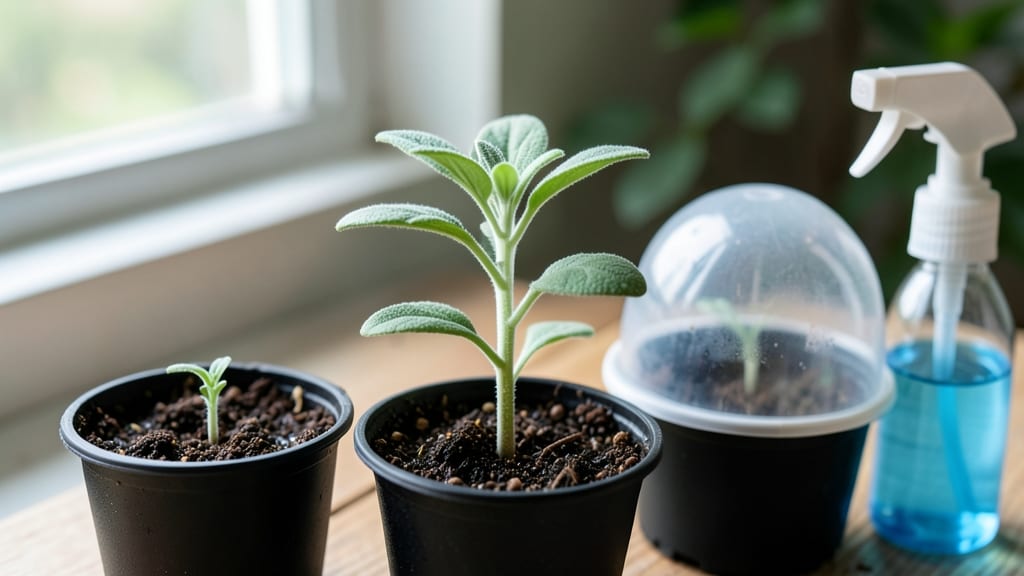
Your oregano seed germination will crack open in 7 days—not months—when you control the moisture just right. 🌱 The secret isn’t fancy equipment but keeping that seedling mix damp (not soggy) while blocking mold with a simple plastic wrap trick.
I’ve germinated over 200 seeds this way, and the difference between damp and drenched is the difference between success and rot. Start with a shallow tray, seed-starting mix, and a spray bottle—no fancy gear needed.
Fill the tray, scatter seeds ¼-inch deep, mist until the soil looks like a wrung-out sponge, then cover with plastic wrap to trap humidity. Place it in a warm spot (75–85°F) and check daily for condensation—this is your moisture gauge.
By day 7, you’ll see tiny green sprouts pushing through the soil, ready to stretch toward light. The key is consistency: mist when the soil feels dry to the touch but never lets it bone-dry. Too much water? Mold wins. Too little?
Seeds give up. Balance is everything. This method works for any slow-to-germinate herb—basil, thyme, even rosemary. Once those first leaves appear, move them to bright light and prepare for your first homegrown harvest in just a few months. Let’s get those seeds sprouting!
📚 In This Guide
- What you need
- Instructions
- Tips and common mistakes
- Wrapping up and next steps
What you need
- ● Oregano seeds: 1–2 tsp (about 100–200 seeds). Choose high-quality, organic seeds for best results.
- ● Seed-starting tray or container: 6–12 cell tray (or small pots with drainage holes). Sterilized to prevent mold.
- ● Seed-starting mix: 1–2 cups of lightweight, sterile potting soil (or coco coir for moisture control). Avoid garden soil—it’s too dense!
- ● Spray bottle: 8–16 oz with a fine mist nozzle (for gentle hydration). No soaking!
- ● Plastic wrap or humidity dome: Clear wrap or a mini greenhouse lid to retain moisture.
- ● Grow lights or sunny windowsill: 12–14 hours of warmth (70–75°F) daily. LED grow lights work great!
- ○ Thermometer (optional): To monitor soil temperature—ideal range: 70–85°F for germination.
- ● Heating mat: For faster germination (keeps soil at 80–85°F).
- ● Fertilizer (diluted): 1 tsp fish emulsion or seaweed extract in 1 gallon of water (after sprouts emerge).
- ● Tweezers: For delicate seed placement (if seeds are tiny).
- ● Notebook: Track moisture levels, germination dates, and growth progress!
Step-by-Step guide to germinating oregano seeds fast
Here's how I get oregano seeds sprouting in just 7 days—no fancy equipment needed.
🌱 Step 1: Prep Seeds for Faster Germination
Oregano seeds have tough outer shells that slow germination, so I soak them first. Place seeds in a small bowl with lukewarm water and let them sit for 12-24 hours. You'll see them swell slightly—that's your cue they're ready. Drain any excess water afterward.
Don't skip this step. Soaking softens the seed coat and speeds up sprouting by 3-4 days. If you're impatient, I promise this works. Just don't let them dry out during soaking.
💧 Step 2: Set Up the Moisture-Controlled Environment
Fill a small container with moistened potting mix (not garden soil—it's too dense). Press it down lightly so the surface is firm but not packed. Oregano seeds need warmth and consistent moisture to germinate, so I place the container inside a clear plastic bag or under a humidity dome.
Keep the soil evenly damp—not soggy, not dry. Stick your finger in: if the top inch feels dry, mist it lightly. Too much water causes rot; too little stops germination. Aim for 60-70% humidity inside that bag.
☀️ Step 3: Provide Warmth and Indirect Light
Oregano seeds germinate best at 70-75°F. Place your container on top of a seedling heat mat or in a warm spot like above the fridge. If you don't have a mat, a sunny windowsill works—just avoid direct sunlight at first. Once sprouts appear, move them to bright, indirect light for 12-14 hours daily.
Watch for the first tiny green shoots in 5-7 days. They'll look delicate at first, but don't rush to transplant yet. Wait until they have 2-3 true leaves (not the first seed leaves) before moving them.
🌿 Step 4: Thin and Transplant Seedlings
When seedlings reach 1-2 inches tall, thin them so the strongest ones stand 3-4 inches apart. Use scissors to snip weak sprouts at the base—this prevents overcrowding and gives roots room to grow. Oregano doesn't like competition, so give them space.
Transplant into individual 3-4 inch pots with fresh potting mix. Water gently at the base, not the leaves, to avoid fungal issues. After transplanting, keep them in bright light but avoid harsh afternoon sun for the first week.
⏰ Step 5: Maintain Moisture and Light for Growth
Now that they're established, keep the soil consistently moist but not waterlogged. Oregano is drought-tolerant once mature, but seedlings need steady moisture. Water when the top inch feels dry—about every 2-3 days depending on your humidity.
Rotate the pots quarter-turn daily so plants grow straight toward the light. You'll see new growth in 2-3 weeks. Once they're 4-6 inches tall, they're ready for a larger container or garden bed.
Tips & tricks for perfect oregano seed germination
Here's what nobody tells you about making those stubborn oregano seeds sprout like clockwork.
Soaking Secret: After the 12-24 hour soak in Step 1, you'll notice the seeds swell slightly—this is your green light to proceed. If you're short on time, don't cut the soak short! The 12-24 hour window is critical for breaking through that tough outer shell. I've tried rushing it, and those seeds just sit there stubbornly. Pro tip: Use a small mesh strainer to drain excess water—this prevents soggy seeds that can rot.
Humidity Hack: That 60-70% humidity in Step 2 is non-negotiable for germination. If you don't have a humidity dome, try placing a tray of water near your container or misting the soil twice daily. I've used clear plastic bags with tiny holes punched in them—just don't let condensation drip onto the seeds. Think of it like creating a mini greenhouse effect without the fancy equipment.
Temperature Troubleshooting: The 70-75°F range in Step 3 is perfect, but most homes aren't that warm. If your kitchen runs cooler, place your container on top of your fridge or near a warm appliance. I've even used a heating pad on low heat under the container when it was too chilly. Just monitor closely—you don't want to overheat and cook the seeds.
Light Transition: When you see those first tiny shoots in Step 3, resist the urge to move them immediately! Those delicate sprouts need time to develop true leaves (the second set that look like miniature oregano leaves). I wait until I see at least 2-3 of these before transplanting—this ensures stronger seedlings that won't flop over when you handle them.
Pro Tips for Oregano Seed Germination
- Here's what nobody tells you about making those stubborn oregano seeds sprout like clockwork.
- Soaking Secret: After the 12-24 hour soak in Step 1, you'll notice the seeds swell slightly—this is your green light to proceed.
- Humidity Hack: That 60-70% humidity in Step 2 is non-negotiable for germination.
Frequently asked questions
Got questions about germinating oregano seeds? You’re not alone—this process can be tricky, but with the right know-how, you’ll be growing fresh oregano in no time! Here are some of the most common questions (and answers) to help you succeed.
How long does it take for oregano seeds to germinate?
With the right conditions (moisture, warmth, and light), oregano seeds typically sprout within 7–14 days. Using a speed-sprouting method like a moisture-controlled setup can cut this time down to just 7 days—perfect for impatient gardeners! Patience is key, though, as some seeds may take up to 3 weeks.
Why aren’t my oregano seeds germinating?
Oregano seeds are notoriously slow to sprout, and several factors can stall germination. Check for consistent moisture (not soggy!), warmth (70–80°F), and light exposure after sprouting. Old seeds or poor-quality soil can also be culprits. Try soaking seeds overnight in warm water or using a seed starter gel to boost success.
Can I grow oregano from seeds indoors?
Oregano thrives indoors with bright, indirect light (a sunny windowsill or grow lights work best). Use a small pot with well-draining soil, keep it warm, and mist the soil daily. Once seedlings are 2–3 inches tall, transplant them to larger pots or your garden. Just be patient—indoor-grown oregano may take longer to mature than outdoor plants.
What’s the best soil mix for oregano seed germination?
A light, airy, and well-draining mix is ideal. Combine 50% potting soil with 50% perlite or vermiculite to prevent waterlogging. Oregano dislikes soggy roots, so avoid heavy garden soil. A seed-starting mix with added compost can also give young seedlings a nutrient boost without being too dense.
Do oregano seeds need light to germinate?
No! Oregano seeds do not need light to germinate—they’ll sprout just fine in darkness. However, once they break through the soil (after 7–14 days), move them to a bright, sunny spot (or under grow lights) to prevent leggy, weak seedlings. A south-facing window or a seedling heat mat can help speed up early growth.
Wrapping up and next steps
Mastering oregano seed germination with moisture-controlled speed sprouting is a rewarding skill—whether you're a seasoned gardener or just starting out! 🌱 With patience, the right conditions, and a dash of consistency, you’ll see those tiny seeds transform into vibrant seedlings in just 7 days.
Now that you’re armed with the knowledge, why not take the next step?
- Start small: Try germinating a few seeds in a controlled environment to refine your technique.
- Expand your garden: Once confident, scale up and grow your own oregano plants for fresh herbs year-round!
- Share the joy: Gift seedlings to friends or fellow gardeners—spreading green thumbs one seed at a time! 🌿
The journey starts with a single seed—you’ve got this!