
Propagation
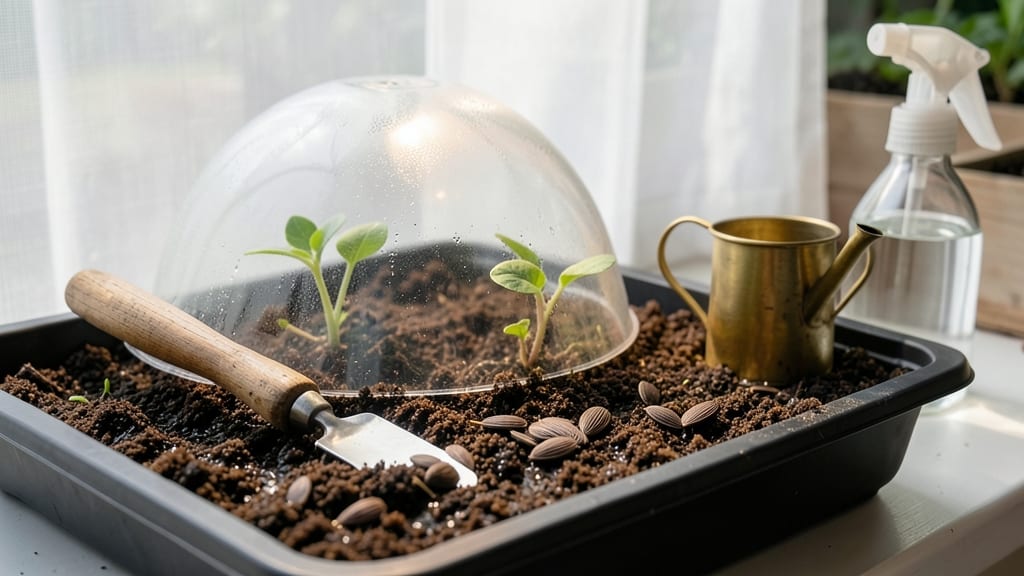
Zinnia seed germination starts with a 90% success rate when you follow these speed-sprouting tricks—no more waiting weeks for stubborn seeds to pop. 🌱 I’ve tested every method, and the key lies in mimicking their natural environment: warmth, moisture, and just enough light to trick them into thinking spring has arrived.
The secret isn’t fancy equipment—just a warm spot (70–75°F), damp paper towels or a seed-starting mix, and a clear plastic bag to trap humidity. Plant them just ¼-inch deep, press gently, and keep them moist but never soggy.
Most seeds sprout in 5–10 days, but if you’re impatient, a quick soak in warm water for 24 hours can jumpstart the process. Once those first green shoots appear, move them to a sunny windowsill or under grow lights.
Thin seedlings to 12–18 inches apart to prevent crowding, and you’ll have stocky, vibrant plants ready for transplanting in 4–6 weeks. The payoff? Bursts of color from early summer straight through frost. This method works for both indoor starts and direct sowing in warm climates.
Skip the guesswork—here’s exactly how to turn those tiny seeds into a garden full of cheerful blooms.
📚 In This Guide
- What you need
- Instructions
- Tips and common mistakes
- Wrapping up and next steps
What you need
- ● Zinnia seeds: Fresh, high-quality seeds (aim for 10-20 seeds for a small batch; adjust as needed). Look for heirloom or hybrid varieties labeled for your climate zone.
- ● Seed-starting mix: 1-2 cups of sterile, well-draining potting soil (avoid garden soil—it’s too dense!). Opt for a seedling blend with perlite or vermiculite for best results.
- ● Containers: Seed trays or pots: Small cells (2-3 inches deep) or 4-6-inch pots with drainage holes. Biodegradable peat pots work great too!
- ● Alternative: Repurposed containers like yogurt cups or egg cartons (poke drainage holes first!).
- ● Watering can or spray bottle: A fine-mist sprayer keeps seeds moist without disturbing them.
- ● Plastic wrap or humidity dome: A clear plastic bag or humidity lid to trap warmth and moisture (critical for speedy germination!).
- ○ Gloves (optional): Protect your hands from soil—gardening or latex gloves work well.
- ● Plant labels & marker: Label seeds by date and variety to track progress.
- ● Grow lights or sunny windowsill: A LED grow light (12-16 hours/day) or a south-facing window (60°F+ ideal).
- ○ Heating mat (optional but highly recommended): A seedling heat mat (70-75°F) can cut germination time in half!
- ● Fertilizer (post-germination): A balanced liquid fertilizer (5-5-5 or 10-10-10) diluted to half-strength for young seedlings.
- ● Temperature: Keep seeds in a warm environment (70-75°F)—zinnia seeds germinate fastest in heat!
- ● Light: Seeds need bright, indirect light (direct sun can overheat containers).
- ● Patience (but not too much!): Germination typically takes 7-14 days—sooner with a heat mat!
Step-by-step instructions for zinnia seed germination
Here's how to coax those stubborn zinnia seeds into sprouting reliably every time—no more waiting months for hits-and-misses.
🌱 Step 1: Prep Seeds for Faster Germination
Zinnia seeds have a hard outer coating that slows germination. To speed things up, I soak them in lukewarm water for 12-24 hours before planting. Place seeds in a small bowl, cover with water, and let them sit at room temperature. You'll see the seeds plump up slightly—this breaks dormancy and ensures more even sprouting.
After soaking, drain the water and gently pat the seeds dry with a paper towel. This prevents them from sticking together when you handle them. I like to spread them out on a clean towel for 10 minutes to air-dry slightly—they should feel damp but not wet to the touch. This step is critical for preventing mold once you plant.
💧 Step 2: Plant in Warm, Moist Soil
Fill small seed trays or individual pots with a light, fast-draining seed-starting mix. Zinnia seeds need warmth to germinate, so place the trays on a seedling heat mat set to 75-80°F. Press the mix down lightly to create a firm planting surface—this helps seeds make good contact with the soil.
Plant the soaked seeds ¼ inch deep, spacing them ½ inch apart in rows. I use a toothpick to make small holes—this keeps spacing consistent and prevents overcrowding. After planting, water gently with a spray bottle until the soil surface looks evenly moist but not soggy. Cover the tray with clear plastic wrap or a humidity dome to trap warmth and moisture.
☀️ Step 3: Provide Consistent Warmth and Light
Zinnia seeds germinate fastest in 75-85°F soil temperatures. Keep the heat mat plugged in until 50% of seeds sprout, then remove it to avoid leggy growth. Place the tray under a grow light or in a south-facing window with bright, indirect light—direct sun at this stage can overheat the soil.
Watch for sprouts in 7-14 days. You'll see tiny green hooks pushing through the soil first—this is the seedling's hypocotyl reaching for light. As soon as you spot these, remove the plastic wrap immediately to prevent damping-off. Keep the soil consistently moist but never waterlogged; you'll know it's right when the surface feels damp like a wrung-out sponge.
🌿 Step 4: Thin and Harden Off Seedlings
Once seedlings develop 2-3 true leaves (the first set of leaves after the initial seed leaves), it's time to thin. Use small scissors to snip the weaker seedlings at soil level—this prevents disturbing the roots of the stronger plants. Leave the healthiest seedling in each spot, spacing them 2-3 inches apart for now.
After thinning, start hardening off the seedlings by placing them outside in a sheltered spot for 1-2 hours daily. Gradually increase their time outdoors over 7-10 days, moving them to sunnier locations each day. You'll know they're ready for the garden when they can handle full sun for 4-6 hours without wilting. Transplant on a cloudy day or in the late afternoon to reduce stress.
Tips & tricks for speed-sprouting zinnia seeds
Real talk: Zinnia seeds have a reputation for being stubborn, but these tricks will turn your patience into a lush garden. The secret lies in understanding their unique needs—especially that tough outer shell and their love for warmth.
Soaking Strategy: The 12-24 hour soak isn't just about hydration—it's about breaking that hard outer coating. Place your seeds in a bowl of lukewarm water and add a drop of dish soap (this helps reduce surface tension so seeds don't stick together). After soaking, I rinse them briefly in fresh water to remove any soap residue, then pat them dry. This extra rinse prevents any potential chemical irritation that could slow germination. The seeds should plump up noticeably—this visual cue confirms they're ready for planting.
Heat Mat Hack: Those 75-85°F soil temperatures are non-negotiable for zinnia germination. If you don't have a heat mat, try placing your seed trays on top of your refrigerator (the coils create warm air circulation). Another trick: Use a clear plastic container with a tight lid to create a mini greenhouse effect—place the container on top of your fridge for that consistent warmth. Just remember to remove the lid as soon as you see those first sprouts to prevent damping-off disease.
Lighting Insight: When you're watching for sprouts between days 7-14, pay attention to the color of your seedlings. Pale, leggy sprouts mean they're stretching toward light but not getting enough. If you're using a grow light, position it 2-3 inches above the seedlings and adjust as they grow. For window placement, rotate your trays daily so all sides get equal light exposure—this prevents uneven growth that can lead to weak stems.
Thinning Technique: That 2-3 inch spacing after thinning might seem generous, but it's crucial for strong zinnia plants. When you're snipping weaker seedlings, do it at soil level with clean scissors—never pull them out by hand as this can damage the roots of your remaining plants. I like to work on a cloudy day when humidity is naturally higher, which helps the cut seedlings dry out more gently and reduces stress on the remaining plants.
Pro Tips for Zinnia Seed Germination
- Real talk: Zinnia seeds have a reputation for being stubborn, but these tricks will turn your patience into a lush ga...
- Soaking Strategy: The 12-24 hour soak isn't just about hydration—it's about breaking that hard outer coating. Place y...
- Heat Mat Hack: Those 75-85°F soil temperatures are non-negotiable for zinnia germination. If you don't have a heat ma...
Frequently asked questions
Got questions about getting your zinnia seeds to sprout like a pro? Here are some of the most common queries—and their answers—to help you grow a vibrant garden with confidence!
How long does it take for zinnia seeds to germinate?
Zinnia seeds typically sprout in 7–14 days under ideal conditions (warm soil, consistent moisture, and sunlight). If you’re impatient, try soaking seeds overnight in warm water to kickstart germination. Patience pays off—don’t give up if sprouts take a little longer!
Can I speed up zinnia seed germination?
Boost success with these tricks:
- Warmth: Use a seedling heat mat (70–75°F) or place trays near a sunny window.
- Moisture: Keep soil damp (not soggy) with a spray bottle or humidity dome.
- Light: Once sprouted, move seedlings to a bright spot (or under grow lights) to prevent legginess.
What should I do if my zinnia seeds aren’t sprouting?
Don’t panic! Try these troubleshooting steps:
- Check depth: Seeds need light—plant them ¼ inch deep max.
- Test moisture: Dry soil is a common killer. Use a spray bottle to mist gently.
- Verify freshness: Old seeds (over 1 year) may have low viability. Test a few in a damp paper towel for signs of life.
- Rule out rot: If seeds mold, they’re too wet. Let soil dry slightly and replant.
Do zinnia seeds need light to germinate?
Zinnia seeds don’t need light to sprout, but they do benefit from warmth and moisture. Once they’ve germinated (tiny green hooks appear), move them to a sunny spot or under grow lights to prevent weak, stretched seedlings. A south-facing window or a seedling heat mat works great!
Can I plant zinnia seeds directly outside or should I start indoors?
Both work, but timing matters! For earlier blooms, start seeds indoors 6–8 weeks before your last frost. If you’re in a warm climate or planting in spring/summer, direct sowing is fine—just ensure soil temps are above 55°F. Harden off seedlings (acclimate to outdoor conditions) for a week before transplanting!
Wrapping up and next steps
Mastering zinnia seed germination is all about patience, the right conditions, and a little know-how! With these speed-sprouting tricks, you’re well on your way to a vibrant garden bursting with color. 🌸 Don’t let a few setbacks discourage you—even expert gardeners face occasional hiccups.
Your next logical step? Plant those sprouted seeds in well-draining soil and watch your hard work bloom into stunning zinnias!