
Lawn
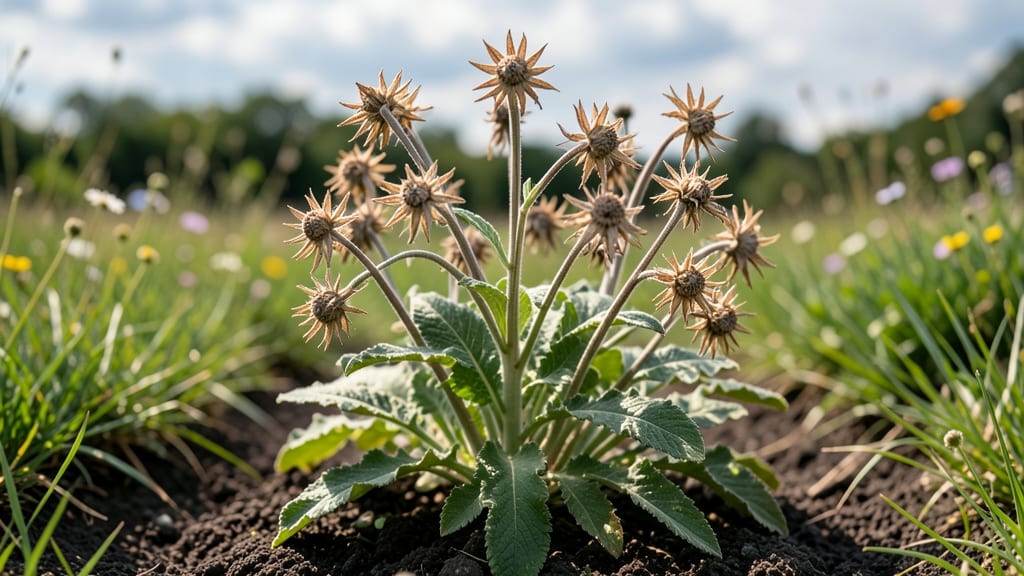
Harvesting borage seed pods turns your garden into a zero-waste treasure trove. 🌱 These star-shaped pods are packed with culinary and medicinal uses—from bee-friendly flowers to nutrient-rich seeds—but most people miss the harvest window.
The key is timing: pods ripen when they turn from green to a papery brown, usually in late summer or early fall, depending on your climate.
Start with a healthy borage plant—let it bolt naturally and avoid heavy pruning once flowers appear. The pods develop best in full sun with consistent moisture, but they dry quickly once ripe.
A single plant can produce hundreds of pods, so plan for storage: dried pods keep seeds viable for years if stored in a cool, dark place. I’ve saved seeds from one plant for three seasons with no loss in germination.
You’ll end up with seeds perfect for sprinkling on salads, brewing into tea, or pressing for oil—plus, the dried flowers add a delicate anise flavor to dishes.
The process is simple but rewarding: harvest pods when they’re dry and brittle, then separate the seeds by hand or with a fine mesh strainer. No fancy equipment needed, just patience and a sunny spot.
This method works for gardeners in zones 3-10, though timing shifts slightly north to south. If you’re in a cooler climate, start seeds indoors for an earlier harvest.
The beauty of borage is that it thrives on neglect, so even if you miss the perfect moment, you’ll still get a second chance with the next batch of pods.
📚 In This Guide
- What you need
- Instructions
- Tips and common mistakes
- Wrapping up and next steps
What you need
- ● Fresh borage plants (organic, pesticide-free preferred) – at least 3–5 mature plants for a decent harvest.
- ● Sharp pruning shears or gardening scissors – sterilized to avoid plant disease.
- ● Paper bags or breathable fabric sacks – 2–3 medium-sized bags for drying pods.
- ● Brown paper or newspaper – for lining drying trays or shelves.
- ● Small wooden or cardboard drying trays – or a clean, well-ventilated shelf.
- ○ Air-dryer or dehydrator (optional) – set to 95°F (35°C) or lower for faster drying.
- ● Fine-mesh sieve or colander – for separating seeds from dried pods.
- ● Airtight glass jars or food-grade containers – with tight-sealing lids (quart or pint sizes).
- ○ Silica gel packets or rice (optional) – to absorb moisture in storage.
- ● Permanent marker or labels – to date and identify your stored seeds.
- ● Glove – to protect hands from prickly borage stems.
- ● Small fan or ventilation system – for speeding up air-drying.
- ● Food processor or mortar & pestle – for crushing dried pods into oil or flour.
- ● Humidity monitor – to ensure storage conditions stay dry (.
Step-by-Step instructions for harvesting and storing borage seed pods
Here's how to turn your borage blooms into a zero-waste treasure trove of seeds—simple steps for a bountiful harvest!
🌿 Step 1: Identify and Harvest Mature Seed Pods
Wait until the borage flowers have faded and dried into papery, brown seed pods—this usually happens 4-6 weeks after flowering. The pods will feel crisp to the touch and split open easily when gently squeezed. Harvest on a dry morning after the dew has evaporated to prevent moisture from sticking to the seeds.
Use clean, sharp scissors or fingers to snip the pods from the stems. I like to work in batches—pick a few pods at a time so I can process them immediately. If you leave them on the plant too long, the pods may burst open and scatter seeds all over your garden. That's okay if you want wild borage, but for clean harvesting, act fast!
✂️ Step 2: Dry the Seed Pods Thoroughly
Spread the harvested pods in a single layer on a clean, dry surface like a baking sheet or mesh screen. Place them in a warm, dry spot with good air circulation—70-75°F works perfectly. Avoid direct sunlight, which can overheat and damage the pods. They'll need 3-5 days to dry completely, depending on humidity.
You'll know they're ready when the pods rattle when shaken and feel completely dry to the touch. If any pods still feel damp, give them another day or two. I like to check them daily and flip the pods over halfway through drying to ensure even exposure. This prevents mold and ensures all seeds dry uniformly.
🌱 Step 3: Extract Seeds from the Pods
Once fully dry, gently crush the pods between your fingers or use a small hammer to break them open. The seeds will spill out easily, but avoid pulverizing the pods—just enough to release the seeds. I find a clean, white plate works best for catching the tiny black seeds against the light background.
Sift the seeds through a fine-mesh strainer to remove any debris or chaff. The seeds are tiny but easy to spot—look for small, oval, black seeds about 1/8 inch long. Once separated, let the seeds air-dry for another 24 hours to ensure any lingering moisture evaporates completely.
🪴 Step 4: Store Seeds for Long-Term Use
Transfer the dried seeds into a small, airtight container like a glass jar or envelope. Label it with the date and variety—borage seeds stay viable for 2-3 years if stored properly. Keep the container in a cool, dark place, like a pantry or seed storage box, where the temperature stays below 60°F.
Check the seeds periodically for any signs of moisture or pests. If you notice condensation or an off smell, transfer them to a new container immediately. Properly stored borage seeds are ready to plant whenever you need a fresh crop—just sprinkle them on top of soil and lightly cover!
Tips & tricks for perfect borage seed pod harvesting
These game-changing tips will help you maximize your harvest and keep those precious seeds in top condition!
Timing is Everything: Harvest your borage seed pods in the morning when the dew has evaporated but before the heat of the day. This prevents moisture from sticking to the pods and makes them easier to handle. I've found that harvesting in batches of 10-15 pods at a time keeps everything organized and prevents the pods from drying out prematurely on the plant. The 4-6 week window after flowering is critical—wait too long and the pods may burst open naturally, scattering seeds everywhere!
Drying Secrets: For even drying in Step 2, I recommend using a mesh screen instead of a baking sheet. The airflow helps prevent mold and ensures all pods dry uniformly within the 3-5 day window. Place your drying setup in a spot with consistent 70-75°F temperatures—avoid areas with temperature fluctuations. A small fan on low setting can help speed up drying if your environment is particularly humid. Flip the pods halfway through to ensure even exposure to air and prevent any potential mold growth.
Seed Extraction Hack: When crushing the pods in Step 3, place a clean white plate under your work area. The contrast makes it much easier to spot the tiny black seeds against the light background. For stubborn pods, tap them gently with a small hammer on a hard surface—this releases the seeds without creating a mess. After sifting, let those seeds air-dry for that final 24-hour period to ensure complete moisture evaporation. This extra step prevents any potential mold during storage.
Storage Wisdom: When storing your seeds in Step 4, consider adding a small packet of silica gel to your airtight container. This helps absorb any lingering moisture and extends that 2-3 year viability window. I like to use glass jars with tight-sealing lids—they're reusable and provide excellent protection. Store your seeds in the coldest part of your pantry or fridge (below 60°F) for maximum longevity. Labeling with the date is crucial—borage seeds lose viability over time, and knowing when you stored them helps you track freshness.
Pro Tips for Borage Seed Pods
- These game-changing tips will help you maximize your harvest and keep those precious seeds in top condition!
- Timing is Everything: Harvest your borage seed pods in the morning when the dew has evaporated but before the heat of the day.
- Drying Secrets: For even drying in Step 2, I recommend using a mesh screen instead of a baking sheet.
Frequently asked questions
Got questions about harvesting and storing borage seed pods?
You’re not alone! Here are some of the most common queries—plus straightforward answers to help you make the most of your zero-waste bounty.
When is the best time to harvest borage seed pods?
Harvest borage seed pods when they turn brown and papery (about 6–8 weeks after flowering). Avoid harvesting when they’re still green—they won’t be fully dried or viable for planting. Early morning harvests prevent humidity buildup, ensuring faster drying.
How long do borage seed pods take to dry?
Properly dried borage seed pods take 1–2 weeks in a well-ventilated, dark space (like a mesh bag or paper bag). Check periodically—they’re ready when the pods crinkle when touched. Speed up drying with a dehydrator (set to 95°F) or fan for 3–5 days.
Can I reuse borage seed pods after drying?
Once pods are fully dried and cracked open, the seeds are ready for planting or storage. Do not reuse the empty pods for culinary or medicinal purposes—they lose potency. However, you can compost the leftover husks! For seed-saving, store them in a paper envelope in a cool, dark place for up to 2 years.
What if my borage seed pods mold or smell bad?
Mold or funky odors mean excess moisture during drying. To fix it, spread pods in a single layer on a tray with a fan or move them to a drier location. If mold appears, discard the batch—contamination can ruin seeds. Pro tip: Use a silica gel packet in storage to absorb moisture and extend shelf life.
Are there alternatives if I can’t grow borage?
If borage isn’t available, try echinacea, calendula, or chamomile for similar medicinal properties. For culinary uses, bee balm or lavender offer floral notes. Just note: Borage’s omega-3-rich seeds are unique—no exact substitute exists for that!
Wrapping up and next steps
Harvesting and storing borage seed pods is a rewarding way to reduce waste, save money, and unlock the benefits of this versatile herb. Whether you’re drying pods for culinary uses, saving seeds for next season, or composting with confidence, every step contributes to a sustainable garden.
With the right tools and techniques, you can turn your borage plants into a zero-waste treasure trove—all while enjoying their beauty and utility!
Ready to put your new skills into action? Start small: pick a few pods today, experiment with storage methods, and watch how easy it becomes. Your garden—and the planet—will thank you! 🌱✨