
Lawn
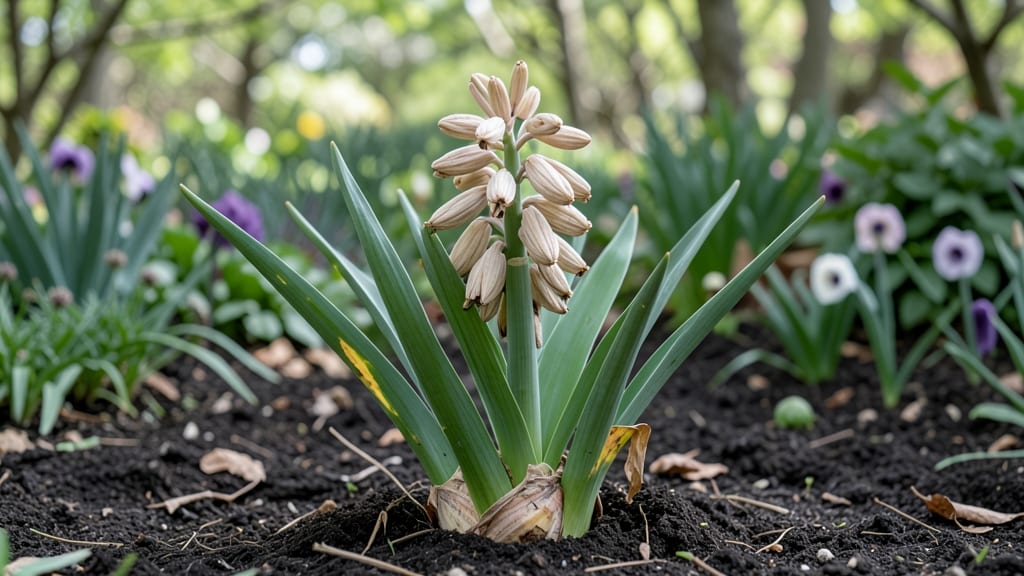
Hyacinth seed pods rarely produce viable seeds worth saving—99% of gardeners propagate these spring stars by replanting bulbs instead. 🌱 I’ve tried collecting pods over the years, and while it’s fascinating to watch them form, the energy pays off better in bulb care.
The real secret to next-year blooms lies in how you store and prep those bulbs after flowering.
If you still want to experiment with seeds, let the pods dry completely on the plant before harvesting. Store them in a cool, dry place until they split open—though most seeds won’t germinate true to the parent.
Meanwhile, your bulbs need 6-8 weeks of dormancy in a dark, 50-60°F spot before replanting. This mimics their natural cycle and ensures strong regrowth.
For reliable blooms, focus on bulb maintenance: deadhead spent flowers to redirect energy, fertilize lightly after flowering, and avoid overwatering during dormancy. Your hyacinths will reward you with vibrant clusters next spring if you treat them like the delicate divas they are.
The pods? Save them for crafting or compost—the real magic happens underground.
Pro tip: If your hyacinths skip blooming, they might need more sunlight or a well-draining soil mix. A little extra care here makes all the difference between a weak stem and a showstopper display. Next year’s garden starts with this season’s bulbs—handle them right, and they’ll deliver again.
📚 In This Guide
- What you need
- Instructions
- Tips and common mistakes
- Wrapping up and next steps
What you need
- ● Mature hyacinth seed pods: Collect pods only after they’ve fully ripened (turned brown and dried on the plant). Aim for at least 10-15 pods for a reliable harvest.
- ● Sharp pruning shears or scissors: Use sterilized tools to snip pods cleanly from the stem without damaging them.
- ● Paper towels or newspaper: Lay out a flat surface to spread pods for drying (avoid plastic or damp materials).
- ● Brown paper bags or breathable mesh bags: Choose unbleached, natural-fiber bags (e.g., kraft paper) for long-term storage. A 5-10 count should suffice for a small batch.
- ○ Small mesh screen or wire rack (optional but helpful): Elevates pods off surfaces to improve airflow during drying.
- ● Air-tight containers (e.g., glass jars or resealable plastic bags): For final storage—select containers with silica gel packets or a desiccant to absorb moisture.
- ● Labeling supplies: Masking tape + marker to label pods with the harvest date and variety (e.g., "Grape Perfume – 2024").
- ● Fan or dehumidifier: Speeds up drying in humid climates.
- ● Fine-mesh sieve: Sifts out debris when separating seeds later.
- ● Humidity monitor: Ideal for tracking storage conditions (aim for 30-40% humidity).
- ● Gloves: Protects hands from scratchy pods or mold spores.
Step-by-step guide to harvesting and storing hyacinth seed pods
Turn last year's blooms into next season's flowers with this simple, foolproof method.
🌿 Step 1: Identify and Harvest Mature Seed Pods
Hyacinth seed pods develop after the flowers fade and the stems turn brown. Wait until the pods are fully brown and papery—this usually happens 4-6 weeks after blooming. Gently twist or cut the pods from the stem using clean pruners to avoid damaging nearby growth.
I like to harvest pods on a dry morning when the stems are stiff. Place them in a paper bag with the openings facing upward to catch any seeds that might fall out during transport. Never wash the pods—residual soil helps prevent mold during drying.
💧 Step 2: Dry the Seed Pods Properly
Spread the pods in a single layer on a mesh screen or paper towel in a dry, well-ventilated area. Choose a spot with indirect sunlight—direct sun can scorch the pods and reduce seed viability. A shady windowsill or garage shelf works perfectly.
Drying takes 2-4 weeks, depending on humidity. You'll know they're ready when the pods rattle slightly when shaken and the seeds inside feel dry to the touch. If moisture lingers, pods may develop mold—so check weekly and move to a drier location if needed.
✂️ Step 3: Extract and Clean the Seeds
Once completely dry, gently crush each pod over a clean sheet of paper or cardboard. The seeds will spill out easily—hyacinth seeds are small, flat, and dark brown. I use a rolling pin for this step, applying light pressure to avoid damaging the seeds.
Remove any debris or empty pod fragments by sifting through the seeds with your fingers. Store only the clean, intact seeds—discard any that appear shriveled or discolored, as they won’t germinate. A fine-mesh sieve helps if you have a large batch.
🪴 Step 4: Store Seeds for Optimal Germination
Place the clean seeds in a paper envelope or small breathable bag—plastic traps moisture and causes rot. Label the envelope with the variety name and harvest date, since hyacinth seeds lose viability after 1-2 years. Store in a cool, dark place, like a refrigerator crisper drawer.
Hyacinth seeds need cold stratification to germinate, so plant them outdoors in fall (after the first frost) or winter. If you must store them longer, place the envelope in a freezer for up to 6 months to mimic natural winter conditions.
⏰ Step 5: Plant Stratified Seeds for Spring Blooms
Sow seeds ½ inch deep in well-draining soil in early fall, about 6-8 weeks before your first frost. Keep the soil consistently moist but never soggy—hyacinth seedlings hate waterlogged roots. A shade cloth helps protect young plants from harsh winter winds.
True leaves will appear in 4-6 weeks, but don’t rush to transplant. Wait until spring, when the soil warms to 60°F, before moving seedlings to their permanent spot. Patience here ensures strong, vigorous blooms next season.
Tips & tricks for perfect hyacinth seed pod preservation
Real talk: The difference between viable seeds and wasted effort often comes down to these small but critical details.
Harvest Timing: Wait until pods are completely brown and papery—this usually happens 4-6 weeks after blooming. If harvested too early, seeds won't be fully mature, and if left too late, they may shatter or attract pests. I've learned this the hard way after trying to salvage pods that were already splitting open on their own.
Drying Strategy: The 2-4 week drying period is your best defense against mold. If your kitchen is particularly humid, consider using a small fan on low setting to circulate air while keeping pods in that single layer. You'll know they're ready when they rattle like tiny maracas—this dryness test is your quality control moment.
Seed Extraction: When crushing pods, work in small batches to prevent seed damage. A rolling pin works perfectly, but if you're dealing with a large harvest, consider using a clean hammer wrapped in a cloth for more control. The goal is to release seeds gently while maintaining their integrity—think of it like opening a delicate package rather than smashing it.
Storage Wisdom: The refrigerator's crisper drawer is ideal because it maintains consistent cool temperatures without freezing. If you're storing seeds longer than 6 months, place the envelope in a freezer bag first to prevent moisture buildup. Labeling with both variety and harvest date is non-negotiable—trust me, you'll thank yourself next spring when you're ready to plant.
Pro Tips for Hyacinth Seed Pods
- Real talk: The difference between viable seeds and wasted effort often comes down to these small but critical details.
- Harvest Timing: Wait until pods are completely brown and papery—this usually happens 4-6 weeks after blooming.
- Drying Strategy: The 2-4 week drying period is your best defense against mold.
Frequently asked questions
Got questions about drying and storing hyacinth seed pods? You’re not alone! Here are some of the most common concerns—and their answers—to help you save those pods for next year’s stunning blooms.
When should I harvest hyacinth seed pods?
Harvest seed pods after they turn brown and dry out but before they split open naturally. This usually happens 6–8 weeks after flowering, typically in late summer or early fall. Wait too long, and the seeds will scatter—miss the window, and you’ll miss the chance to propagate!
How do I dry hyacinth seed pods properly?
Place pods in a single layer on a paper towel or mesh bag in a cool, dry, well-ventilated spot (like a garage or shed). Avoid direct sunlight or heat, which can cause premature cracking. Drying takes 2–4 weeks—patience is key! Pro tip: Gently shake pods daily to prevent mold.
How long can I store dried hyacinth seed pods?
Store pods in a paper envelope or airtight container with a silica gel packet in a cool, dark place (like a fridge). Viability lasts 1–2 years, but germination rates drop over time. Label pods with the harvest date to track freshness!
What if my seed pods won’t open or release seeds?
If pods stay sealed, they may need help! Place them in a paper bag and store in a warm, dry spot (like near a sunny window) for a few days. The warmth often triggers natural splitting. If that fails, gently crack open pods with a knife—just avoid damaging the seeds inside.
Can I grow hyacinths from seed instead of bulbs?
Yes, but it’s a slow process! Seeds take 2–3 years to mature into blooming bulbs, compared to 1–2 years for store-bought bulbs. For faster results, plant bulbs alongside your seed-grown hyacinths. Patience pays off—your future garden will thank you!
Wrapping up and next steps
Hyacinth seed pods are a gardener’s secret to next-season blooms—but patience and care are key! By mastering drying and storage techniques, you’ll ensure those delicate pods yield healthy seeds for vibrant, fragrant flowers. Whether you’re a seasoned green thumb or just starting, every step counts toward a thriving garden.
Ready to grow your garden’s future? Grab those dried pods, store them properly, and watch your yard transform with colorful, fragrant surprises next spring! 🌱✨