Lawn
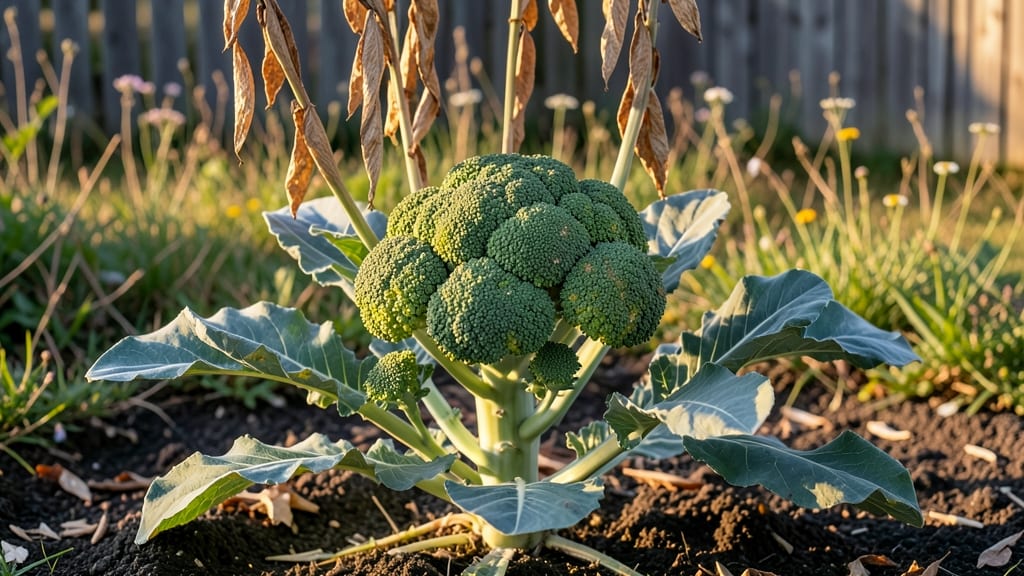
Saving the broccoli seed pods from your plants means never paying for seedlings again. 🌱 The twist-free method I use guarantees viable seeds without the frustrating tangles that ruin harvests—just a few simple steps between garden and storage bin.
First, wait until the seed pods turn from green to brown and feel dry to the touch. Once they’re ready, gently twist them off the stalk (no need for scissors!) and spread them on a paper towel in a warm, dry spot for about two weeks.
This lets the seeds fully mature while keeping them from sticking together.
Store the dried pods in an airtight container in a cool, dark place, and you’ll have fresh seeds ready for next year’s garden. The germination rate stays high for up to three years, and you’ll save money while growing plants true to your favorite varieties.
Works for any home garden, whether you’re growing in-ground or containers. Here’s how to do it right the first time—no wasted seeds or tangled messes.
📚 In This Guide
- What you need
- Instructions
- Tips and common mistakes
- Wrapping up and next steps
What you need
- ● Broccoli plants (choose a variety like Calabrese or De Cicco for reliable seed pods): 1–2 mature plants (or 5–10 seeds if starting from scratch)
- ● Well-draining potting mix or garden soil (sterilized to prevent disease): 1–2 gallons (for container growing) or amended garden bed (for in-ground planting)
- ● Organic compost (to enrich soil): 1 cup per plant
- ● Watering can or hose with a gentle spray nozzle
- ● Pruning shears or scissors (clean, sharp tools for harvesting)
- ● Paper towels or coffee filters (for drying seeds)
- ● Brown paper bags or envelopes (for seed storage)
- ● Twist ties or rubber bands (to secure seed pods for drying)
- ● Garden gloves (to protect hands from thorns or soil)
- ● Seed-saving labels (to track varieties and harvest dates)
- ● Humidity dome or plastic wrap (for faster seed drying)
- ● Food dehydrator (for speeding up the drying process)
- ● Fine-mesh sieve (to separate seeds from chaff)
- ● Spray bottle with water (for misting seeds during drying)
Step-by-step guide to harvesting viable broccoli seeds without twisting
Here’s how to save seeds from your homegrown broccoli—no stressing or snapping required.
🌱 Step 1: Grow Healthy Broccoli Plants for Seed Production
Start with open-pollinated broccoli varieties (hybrids won’t produce true seeds). Plant seeds in full sun with well-draining soil and keep them consistently moist until established. Broccoli for seed production needs more space—18-24 inches apart—since mature plants grow large. You’ll know they’re ready for seed saving when the main head bolts (sends up a tall flower stalk) after harvest.
Watch for yellow flowers to appear on the stalk. These signal the plant is transitioning to seed production. Let some heads mature naturally—don’t harvest them all. The first flowers will produce seeds, but you’ll need to wait until the pods turn brown and dry before harvesting. This usually takes 60-90 days after flowering.
☀️ Step 2: Monitor Flowering and Pod Development
Once flowers appear, hand-pollinate by gently brushing stamens (male parts) onto pistils (female parts) with a soft paintbrush or cotton swab. This ensures better seed viability, especially if bees aren’t active. Focus on 10-15 plants for a reliable seed batch—more than that risks cross-pollination with other brassicas (like kale or cabbage).
After pollination, small green pods will form. Let them stay on the plant until they turn brown and papery dry—this is your cue they’re ready. If pods turn yellow or fall off prematurely, they’re not fully mature. Harvest on a dry, sunny day when humidity is low to prevent mold.
✂️ Step 3: Harvest and Dry the Seed Pods Properly
Snip the dried pods directly from the stalk using clean pruning shears or scissors. Avoid twisting—this can damage the delicate pods and reduce seed quality. Place pods in a paper bag (not plastic) and let them dry for 3-5 more days in a warm, dry, well-ventilated spot (like a sunny windowsill). This extra drying ensures seeds are fully mature and won’t mold during storage.
Once completely dry, open the pods by gently rubbing them between your fingers or tapping them on a clean surface. Seeds will spill out—discard any chaff or empty pods. Store seeds in a labeled envelope or airtight container in a cool, dark place (like a seed vault or fridge). They’ll stay viable for 2-3 years if kept dry.
🌿 Step 4: Test Seed Viability Before Planting Next Year
Before sowing your saved seeds, do a quick viability test: Place 10 seeds between damp paper towels in a sealed plastic bag. Keep them in a warm spot (70-75°F) for 5-7 days. If 50% or more sprout, your seeds are good to go. If fewer than half sprout, store the rest for another year or try a fresh batch.
When planting, use the same full-sun, well-draining soil as before. Broccoli seeds germinate best at 65-75°F and may take 7-14 days to sprout. Thin seedlings to 12 inches apart once they’re 2 inches tall to prevent overcrowding. This ensures strong, healthy plants for next season’s harvest.
Tips & tricks for perfect broccoli seed pod harvesting
Took me years of trial-and-error to perfect these seed-saving secrets—here's how to avoid my early mistakes.
Selection Tip: When choosing plants for seed production, prioritize those with the largest, healthiest heads from your harvest. These plants tend to produce the most robust seed pods. Look for stalks that are at least 3 feet tall before flowering—taller plants typically yield more seeds. I've found that plants with dark green leaves and no signs of disease produce the most reliable seed batches.
Timing Secret: The 60-90 day wait after flowering might feel long, but it's crucial for seed maturity. Check pods daily during the last week—they'll go from green to brown in just 24-48 hours. Harvest them immediately when they turn brown and papery, as they can shatter and drop seeds if left too long. I keep a small notebook to track when each plant flowers so I know when to watch for seed pods.
Harvest Technique: That extra 3-5 day drying period after harvesting is non-negotiable. Even if pods look dry, they need this time to complete their maturation process. Place them in a paper bag (never plastic!) and leave them in a sunny windowsill where they can continue drying slowly. This prevents mold while ensuring maximum seed viability. I've ruined entire batches by skipping this step—don't make my mistake!
Storage Wisdom: For long-term storage, I use small glass jars with tight-sealing lids instead of envelopes. The glass protects seeds from moisture better, and I can see the seed level at a glance. Label each jar with the variety name and harvest date—this helps me track viability over time. Store them in your fridge's crispier drawer where temperatures stay consistently cool and dark.
Pro Tips for Broccoli Seed Pods
- Took me years of trial-and-error to perfect these seed-saving secrets—here's how to avoid my early mistakes.
- Selection Tip: When choosing plants for seed production, prioritize those with the largest, healthiest heads from your harvest.
- Timing Secret: The 60-90 day wait after flowering might feel long, but it's crucial for seed maturity.
Frequently asked questions
Got questions about growing, harvesting, or using broccoli seed pods? You’re not alone! Here are answers to the most common queries to help you master the process—from timing to troubleshooting.
How do I know when broccoli seed pods are ready for harvest?
Harvest seed pods when they’re fully brown, dry, and crispy—about 6–8 weeks after flowering. If they’re still green or slightly yellow, wait a few more days. Never harvest in damp conditions; wait for a dry, sunny day to prevent mold. Snap pods gently from the stem to avoid damaging the plant.
Why are my broccoli seed pods twisting or curling before drying?
Twisting pods often signal over-maturity, heat stress, or improper watering. If pods twist too early, they may not produce viable seeds. To prevent this:
- Harvest pods before they twist (when still brown but firm).
- Ensure consistent moisture—don’t let the soil dry out during pod development.
- Provide afternoon shade in hot climates to reduce stress.
Can I grow broccoli just for seeds instead of eating the heads?
If your goal is seeds, skip harvesting the edible heads—let the plant bolt (flower) naturally. Focus on:
- Planting open-pollinated varieties (like ‘Calabrese’ or ‘De Cicco’) for reliable seeds.
- Spacing plants 18–24 inches apart to avoid crowding and improve pod development.
- Fertilizing lightly with low-nitrogen, high-phosphorus feed (like 5-10-10) to boost flowering.
What’s the best way to store broccoli seeds after harvesting?
Store seeds in a cool, dry place (like a sealed envelope or jar) to maintain viability for 2–4 years. For best results:
- Let pods dry completely (1–2 weeks indoors) before removing seeds.
- Avoid plastic bags—moisture is the enemy of seed longevity.
- Label seeds with the variety name and harvest date for future reference.
Are there easier alternatives to broccoli for seed saving?
If broccoli seems tricky, try these low-maintenance seed-saving veggies:
- Peas or beans: Simple pods, easy to dry and store.
- Lettuce or spinach: Allow bolting, then collect seeds from dry heads.
- Tomatoes: Save seeds from ripe fruit (ferment the gel first!).
Wrapping up and next steps
Growing broccoli seed pods is a rewarding way to harvest viable seeds for future crops—and you don’t need to twist! 🌱 With the right tools, timing, and patience, you can collect high-quality seeds to replant or share.
Whether you’re a seasoned gardener or just starting, this twist-free method makes seed saving simple and stress-free.
Ready to take the next step? Start by saving a few pods from your healthiest plants this season. Experiment with drying techniques, and soon you’ll have a sustainable supply of broccoli seeds for years to come. Happy gardening! 🌟