
Propagation
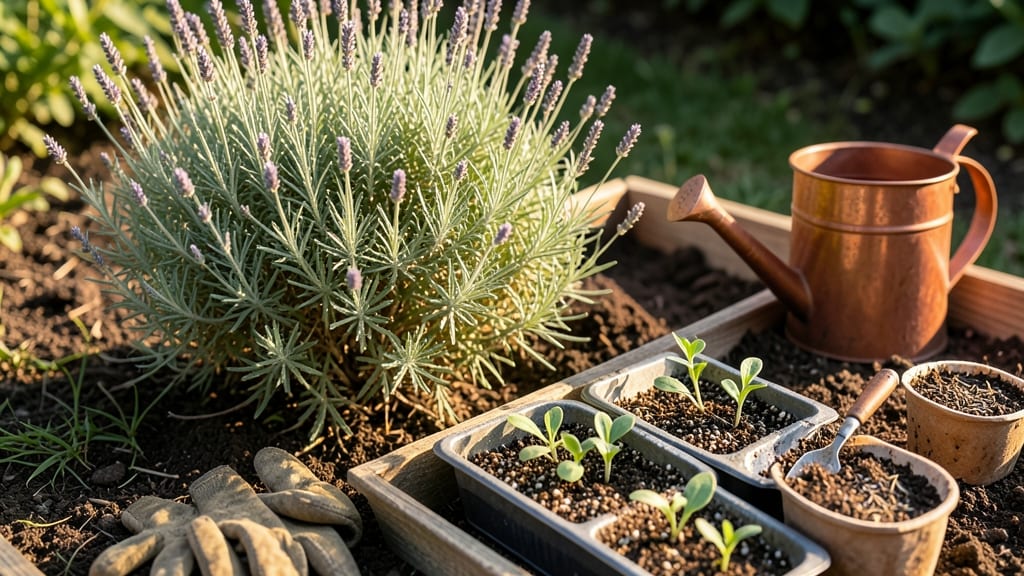
Growing lavender from seed outdoors requires patience and a little trick—cold stratification—but the payoff is worth it. ✨ That first whiff of purple blooms in your garden will make every step feel like magic.
Unlike cuttings, seeds give you the chance to grow exactly the lavender varieties you love, from English lavender to Spanish lavender, right from your own backyard.
The secret to success starts with timing: plant seeds in late summer or early fall, when soil temperatures naturally drop. This cold period mimics winter conditions, breaking seed dormancy so they germinate like clockwork in spring.
You'll need well-draining soil (lavender hates soggy roots), a sunny spot with at least 6-8 hours of direct sunlight daily, and a little space—seeds should be spaced 12-18 inches apart for mature plants.
Once planted, water lightly but consistently until germination (which can take 2-4 weeks), then taper off to prevent rot. The real reward comes when those silvery-green leaves appear, followed by fragrant purple spikes in their second year.
With proper care, your lavender will thrive for 5-10 years, attracting bees and filling your garden with that signature lavender scent.
This method works best in USDA zones 5-9, but even in warmer climates, a little shade in summer helps prevent stress. The key is consistency—lavender is drought-tolerant once established, but it needs steady care in its early months.
Ready to grow your own fragrant hedge? Let's get those seeds in the ground!
📚 In This Guide
- What you need
- Instructions
- Tips and common mistakes
- Wrapping up and next steps
What you need
- ● Lavender seeds: Choose English (Lavandula angustifolia), French (L. dentata), or Spanish (L. stoechas) varieties. Buy 1–2 packets (50–100 seeds each) for a small garden.
- ● Cold-stratification setup: Small paper towel or seed-starting mat (for moisture)
- ● Zip-top plastic bag (quart-size) or seed stratification tray
- ● Refrigerator (set to 35–40°F for 4–6 weeks)
- ● Seed-starting containers: 4–6 biodegradable pots (3–4" diameter) or
- ● 1–2 seed trays with drainage holes
- ● Potting mix: 1 bag (1–2 cubic feet) of well-draining, sterile mix (e.g., 50% peat moss + 50% perlite/sand).
- ● Garden site: Full sun (6+ hours daily) and well-draining soil (sandy or rocky). Test soil pH—lavender thrives in neutral to slightly alkaline (6.5–7.5).
- ● Hand trowel or transplanting spade (for digging)
- ● Spray bottle (for gentle watering)
- ● Mulch (gravel or pebbles to retain heat and deter weeds)
- ● Fertilizer: Low-nitrogen, balanced formula (e.g., 5-10-5) or compost tea (apply sparingly).
- ● Row covers (for young plants in Zone 5 or colder)
- ● Pruning shears (for shaping mature plants)
Step-by-step instructions for growing lavender from seed outdoors
Here's how to transform tiny lavender seeds into fragrant, drought-loving plants that thrive in your garden.
🌱 Step 1: Cold-Stratifify Seeds for Better Germination
Lavender seeds need a cold treatment to break dormancy. Place seeds in a paper towel and dampen it with room-temperature water until evenly moist but not soggy. Fold the towel to cover the seeds completely, then place the bundle in a resealable plastic bag. Store in your refrigerator for 4-6 weeks—this mimics winter conditions and jumpstarts germination.
Check the seeds weekly to ensure the towel stays damp. If it dries out, mist lightly with water and reseal. After 4 weeks, test a few seeds by placing them in a warm spot to see if germination begins. If they sprout within 7-10 days, they're ready to plant. If not, return them to the fridge for 2 more weeks.
🪴 Step 2: Prepare Containers and Planting Mix
Fill 4-inch diameter pots with a well-draining mix—combine 50% potting soil, 30% perlite, and 20% coarse sand for optimal aeration. Lavender hates soggy roots, so this blend prevents rot. Moisten the mix until it feels like a slightly damp sponge—press gently, and it should hold its shape but not drip.
Plant 2-3 seeds per pot at a depth of ⅛ inch—lavender seeds are tiny, so use a toothpick to create shallow holes. Cover lightly with a sprinkle of the same mix. Label each pot with the planting date, as lavender grows slowly. Place the pots in a sunny windowsill or under a grow light for 14-16 hours of light daily while waiting for sprouts.
☀️ Step 4: Transplant Seedlings to the Garden
Wait until seedlings have 3-4 true leaves and are at least 2 inches tall before moving them outdoors. Harden them off by placing them in a shaded, sheltered spot for 3-5 hours the first day, gradually increasing exposure over 7-10 days. Lavender thrives in full sun, so choose a location with 6+ hours of direct sunlight daily and well-draining soil. Avoid low-lying areas where water pools.
Dig holes twice as wide as the root ball but no deeper. Space plants 12-18 inches apart to allow airflow and prevent fungal diseases. Gently remove seedlings from pots, loosen the roots if they’re circling, and place them in the holes. Backfill with soil, firm lightly, and water deeply at the base—never overhead—to encourage root growth. Mulch with 1 inch of gravel (not organic mulch) to keep roots cool and deter weeds.
💧 Step 3: Care for Seedlings Indoors Until Ready for Outdoors
Once seeds sprout (usually 2-4 weeks after cold stratification), keep the soil evenly moist but never soggy. Lavender seedlings are delicate—water only when the top inch of soil feels dry. Use a spray bottle to mist leaves lightly, avoiding the stems to prevent rot. Place pots in a bright, sunny spot (a south-facing window works best) and rotate them quarter-turn daily so they grow straight.
Fertilize lightly 4 weeks after sprouting with a balanced, water-soluble fertilizer (like 10-10-10) diluted to half strength. Lavender doesn’t need much food—over-fertilizing makes it leggy and weak. Watch for first true leaves (small, narrow, and gray-green), which signal the seedling is ready for stronger light. If leaves yellow, reduce watering—lavender prefers drought over soggy soil.
Tips & tricks for perfect lavender seedlings
These little tricks will help you turn those tiny lavender seeds into thriving, fragrant plants that'll make your garden smell heavenly.
Cold Stratification Secret: Don't skip the 4-6 week cold treatment—this is absolutely critical for breaking lavender seed dormancy. I've tried planting without it, and germination rates drop dramatically. If your fridge feels particularly damp, place a small fan nearby to keep airflow steady. The goal is to mimic winter conditions without creating a soggy environment.
Seedling Light Strategy: After sprouting, lavender seedlings need that 14-16 hours of light daily to grow strong. If you don't have a south-facing window, consider a simple LED grow light on a timer. I use mine for 16 hours a day and notice a huge difference in stem strength compared to seedlings that get inconsistent natural light. Rotate your pots daily so they grow straight—those little stems bend toward the light like sunflowers!
Transplanting Timing: Wait for those 3-4 true leaves and at least 2 inches of height before moving seedlings outdoors. I can't emphasize enough how important this is—rushing the transplant can shock delicate seedlings. The hardening-off process over 7-10 days is crucial too. Start with just 3-5 hours of shade on day one, then gradually increase exposure. Think of it like giving your seedlings a tan—slowly and carefully!
Watering Wisdom: Lavender hates soggy roots, so water only when the top inch of soil feels dry. I use a spray bottle for seedlings to avoid wetting the stems, which can cause rot. Once outdoors, water deeply at the base and never overhead—this helps prevent fungal diseases that can devastate young plants. The gravel mulch around mature plants also helps keep moisture levels just right.
Pro Tips for Growing Lavender From Seed Outdoors
- These little tricks will help you turn those tiny lavender seeds into thriving, fragrant plants that'll make your garden smell heavenly.
- Cold Stratification Secret: Don't skip the 4-6 week cold treatment—this is absolutely critical for breaking lavender seed dormancy.
- Seedling Light Strategy: After sprouting, lavender seedlings need that 14-16 hours of light daily to grow strong.
Frequently asked questions
Got questions about growing lavender from seed outdoors? You’re not alone—lavender can be a finicky but rewarding plant! Here are answers to the most common queries to help you cultivate fragrant success.
How long does it take for lavender seeds to germinate?
Patience is key! Lavender seeds can take anywhere from 2 to 4 weeks to germinate, depending on temperature, moisture, and cold stratification. Some varieties may even take up to 8 weeks. Keep the soil consistently moist (but not soggy) and maintain a steady temperature around 60–70°F (15–21°C) for best results.
Can I grow lavender from seed in winter?
Yes, but timing matters! Lavender thrives with cold stratification, so sow seeds outdoors in late fall or early winter (6–8 weeks before your last frost). This mimics natural conditions and boosts germination rates. If you’re in a mild climate, wait until late winter or early spring to avoid rot from excess moisture.
Why aren’t my lavender seeds sprouting?
Lavender seeds are notoriously slow and stubborn. Common culprits include:
- Poor stratification: Seeds need cold, moist conditions (try refrigerating them for 4–6 weeks before planting).
- Too much heat: Germination fails above 75°F (24°C)—keep soil cool.
- Dampness issues: Overwatering can cause rot; ensure well-draining soil.
- Old seeds: Lavender seeds lose viability quickly—use fresh seeds for best results.
If nothing sprouts after 8 weeks, try a new batch!
Is it easier to grow lavender from cuttings instead of seeds?
While growing lavender from seed is rewarding, cuttings are far simpler and yield faster, stronger plants. Take 4–6 inch cuttings from healthy stems in early summer, dip in rooting hormone, and plant in sandy soil. Roots form in 4–6 weeks, and you’ll have mature plants ready for transplanting in no time.
What’s the best soil mix for outdoor lavender seeds?
Lavender hates soggy soil—opt for a fast-draining, sandy, and slightly alkaline mix. Combine:
- 50% coarse sand or perlite (for drainage)
- 30% potting soil or cactus/succulent mix
- 20% compost or well-rotted manure (for nutrients)
Add a handful of lime to raise pH to 6.5–7.5 if your soil is acidic. Avoid garden soil—it’s too dense and retains too much moisture.
Wrapping up and next steps
Growing lavender from seed outdoors is a rewarding journey that brings fragrant beauty to your garden—and you’ve got all the tools to succeed! 🌱 With patience, the right cold stratification, and a little TLC, those tiny seeds can transform into lush, purple blooms that attract pollinators and fill your space with a soothing aroma.
Now that you’re armed with the know-how, why not take the next step? Grab those seeds, pick your sunny spot, and let nature work its magic. Happy gardening—your future lavender patch is waiting! 🌸