
Lawn
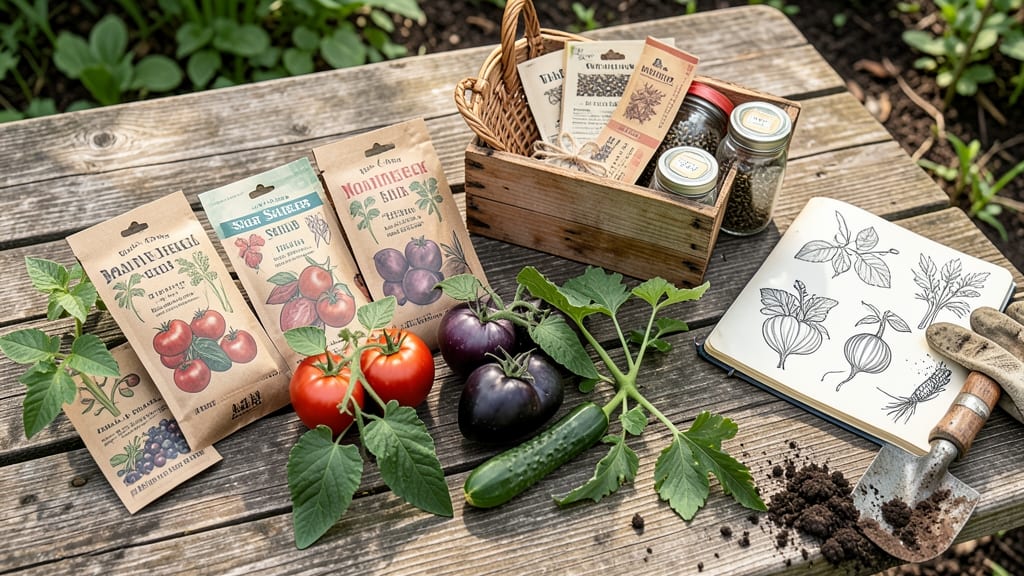
Finding heirloom vegetable seeds that actually grow true-to-type can feel like hunting for buried treasure. 🌱 After years of trial and error, I’ve narrowed down the most reliable companies offering open-pollinated, non-GMO seeds—many with organic certification and deep roots in sustainable agriculture.
These aren’t just seeds; they’re living pieces of history that bring flavor and resilience to your garden.
The best companies specialize in rare varieties like Cherokee Purple tomatoes or Black Krim eggplants, often with detailed growing guides tailored to your climate zone. Look for certifications like OTS (Organic Trade Standard) or NOP (National Organic Program) to ensure seeds meet organic standards.
Many also offer seed-saving tips, so you can preserve your favorites year after year.
What you’ll get isn’t just a packet of seeds—it’s a connection to generations of gardeners who saved and shared these varieties. Picture deep purple carrots or golden heirloom corn thriving in your plot, with flavors store-bought varieties can’t match.
These seeds are perfect for small-scale growers, organic gardeners, or anyone tired of bland, hybrid produce.
Whether you’re reviving a family heirloom or exploring new-to-you varieties, these companies make it easy to start with quality seeds that perform. Here’s how to choose the right ones for your garden’s unique needs—and why seed-saving keeps these treasures alive for future harvests.
📚 In This Guide
- What you need
- Instructions
- Tips and common mistakes
- Wrapping up and next steps
What you need
- ● Seeds: Purchase heirloom seeds from trusted companies (e.g., Baker Creek Heirloom Seeds, Seed Savers Exchange, or Southern Exposure Seed Exchange). Start with 5–10 varieties (e.g., Brandywine tomatoes, Cherokee Purple eggplants, or Black Krim tomatoes).
- ● Seed Starting Supplies: Biodegradable seedling pots (50+, 2–3 inch size) or a seed tray with cells.
- ● High-quality seed starting mix (sterile, peat-free, and organic—10–20 lbs).
- ● Grow lights (LED or fluorescent, 12–16 hours/day) or a sunny windowsill.
- ● Outdoor Gardening: Well-draining soil (compost-amended, 1–2 cubic yards for a small plot).
- ● Organic fertilizer (e.g., fish emulsion, compost tea, or worm castings).
- ● Drip irrigation system or hose with a gentle spray nozzle.
- ● Row covers (frost protection, 4x8 ft sections) for early planting.
- ● Seed catalogs or digital guides from heirloom companies for variety details.
- ● Labeling tags (waterproof) to track varieties and planting dates.
- ● Heirloom seed saver’s journal to log growth notes and harvest yields.
- ● Cold frame or greenhouse for extending the growing season.
- ● Pest control tools: neem oil, diatomaceous earth, or companion plants (e.g., marigolds).
How to select the best heirloom vegetable seed companies
Finding reliable sources for rare, organic heirloom seeds takes research—but these trusted companies deliver quality every time.
🌱 Step 1: Identify Your Priorities for Seed Selection
First, clarify what matters most to you: organic certification, seed rarity, growing region suitability, or company ethics. I always start by listing my top 3 priorities—this narrows down options fast. For example, if you need non-GMO, open-pollinated seeds for a small organic plot, focus on companies with strict organic protocols like Baker Creek Heirloom Seeds or Seeds of Change.
Check each company’s catalog for seed saving policies—some require you to purchase seeds annually, while others (like Southern Exposure Seed Exchange) offer certified organic seeds you can legally save and replant. This distinction matters if you’re building a seed library for future seasons.
🌿 Step 2: Research Company Reputation and Reviews
Dig into third-party reviews on platforms like Gardeners.com or Seed Savers Exchange forums—these reveal real-world experiences with germination rates, seed viability, and customer service. I cross-reference at least three independent sources before committing. Look for patterns: Do growers report slow shipping? Are packets mislabeled? Or do seeds arrive fresh and well-packaged?
Pay attention to seed saving communities too. Companies like Territorial Seed Company often get praised for their rare varieties, while High Mowing Organic Seeds earn high marks for consistent organic certification. Note which companies align with your growing goals—like drought-resistant heirlooms or historical varieties.
☀️ Step 3: Compare Catalogs for Variety and Availability
Narrow your search to 3-5 companies whose catalogs excite you most, then compare seed availability, pricing, and shipping policies. Some, like Seed Savers Exchange, offer exclusive varieties you won’t find elsewhere—perfect if you’re hunting for 19th-century tomatoes or heirloom peppers. Others, like Renee’s Garden Seeds, specialize in disease-resistant heirlooms for challenging climates.
Check for bulk discounts or seed swaps—companies like Native Seeds/SEARCH often include free seeds with orders or host community seed exchanges. This can save money while expanding your genetic diversity. Always verify shipping times, especially for perishable seeds like lettuce or radish—some companies ship fresh seed lots seasonally.
⏰ Step 4: Place Your First Order Strategically
Start with small packets of 2-3 varieties you’re excited to grow—this lets you test germination rates and company reliability without overcommitting. Order in early spring (before seed shortages hit) or late fall (for winter shipping). I recommend emailing customer service with specific questions about seed treatment methods (e.g., pelleted vs. untreated) or growing tips—responsive companies often share expert advice that boosts your success.
Track your germination success rate after planting. If seeds from a company germinate at <80%, consider switching to a more reputable source. Keep a seed journal to note which companies deliver consistently high-quality seeds—this becomes your go-to list for future orders.
📦 Step 5: Build Long-Term Relationships with Seed Companies
Once you find 2-3 trusted suppliers, prioritize them for repeat orders—many offer loyalty discounts or early access to new varieties. I’ve built relationships with Southern Exposure Seed Exchange and High Mowing Organic Seeds over years, and they now reserve seeds for me when new catalogs drop. This ensures I get first pick of rare varieties before they sell out.
Engage with the seed community too. Companies like Baker Creek host seed swaps and grower contests, while Seed Savers Exchange offers free seed samples for members. Participating keeps you connected to new varieties and growing insights—plus, it supports companies that preserve biodiversity. Over time, you’ll develop a curated seed network tailored to your garden’s needs.
Tips & tricks for selecting the best heirloom seed companies
Here's what I've learned from years of sourcing rare seeds—these insights will help you avoid common pitfalls and make informed choices.
Prioritize Certification Verification: Always double-check that a company's "organic" label is USDA Certified Organic or equivalent. Some smaller seed companies use terms like "naturally grown" without formal certification. I once ordered from a supplier claiming organic status, only to discover their seeds weren't certified—this led to poor germination rates. Look for the USDA Organic seal or Organic Material Review Institute (OMRI) listing on their website or packaging. This ensures you're getting seeds grown without synthetic pesticides or GMOs, which is crucial for heirloom varieties that rely on natural genetic integrity.
Seed Treatment Knowledge: Pay close attention to how seeds are treated before shipping. Many companies offer pelleted seeds (coated for easier handling), but these often require soaking or scarification before planting. I recommend starting with untreated seeds from companies like Southern Exposure Seed Exchange—they're more authentic to the original variety and don't require special preparation. If you do choose pelleted seeds, ask customer service for specific treatment instructions, as methods vary by company and seed type. Some heirloom varieties, particularly drought-resistant beans or historical corn, are particularly sensitive to coating processes.
Shipping Season Awareness: Timing your order matters more than you might think. Many reputable companies ship fresh seed lots only during specific seasons—typically early spring for warm-season crops and late fall for cool-season varieties. I learned this the hard way when I ordered heirloom lettuce seeds in summer, only to receive seeds that had already begun sprouting in transit. Check each company's shipping calendar before ordering, especially for perishable seeds like radishes, spinach, or onion sets. Some companies even offer seasonal seed swaps where you can trade for fresh inventory if you miss the optimal shipping window.
Pro Tips for Heirloom Vegetable Seed Companies
- Here's what I've learned from years of sourcing rare seeds—these insights will help you avoid common pitfalls and make informed choices.
- Prioritize Certification Verification: Always double-check that a company's "organic" label is USDA Certified Organic or equivalent.
- Seed Treatment Knowledge: Pay close attention to how seeds are treated before shipping.
Frequently asked questions
about heirloom vegetable seed companies can help you navigate this rewarding but sometimes tricky world. Here are answers to the most common queries to get you growing with confidence!What makes heirloom seeds different from hybrid or GMO seeds?
Heirloom seeds are open-pollinated, meaning you can save and replant them year after year. Unlike hybrids (which produce weaker offspring) or GMOs (genetically modified), heirlooms retain their traits naturally. Plus, they’re often non-GMO, organic-certified, and packed with unique flavors and colors!
When is the best time to order heirloom seeds?
Most companies recommend ordering 6–8 months before your planting season—typically late winter or early spring for spring/summer crops. Check the company’s shipping deadlines (some offer “last chance” orders for late buyers). Pro tip: Join seed swaps or local gardening groups for last-minute finds!
Are heirloom seeds more expensive than regular seeds?
Yes, but not always! Prices vary by rarity—common heirlooms (like Brandywine tomatoes) may cost slightly more, while rare or heritage varieties (e.g., Black Krim eggplants) can be pricier. However, you’ll save money long-term by saving seeds from your harvest. Many companies also offer bulk discounts or seed libraries.
Can I grow heirloom vegetables in containers or small spaces?
Many heirloom varieties—like bush beans, cherry tomatoes, or dwarf peppers—thrive in containers. Look for “compact” or “determinate” labels when browsing. Just ensure your pots have drainage holes and use high-quality potting mix. Urban gardeners love heirlooms for their adaptability!
What should I do if my heirloom plants don’t produce well?
Troubleshoot with these steps:
- Check pollinators: Heirlooms rely on bees/birds—plant companion flowers nearby.
- Review growing conditions: Some heirlooms need full sun (6+ hours) or cool nights.
- Test soil pH: Heirlooms often prefer 6.0–7.0 pH.
- Contact the seed company: Many offer gardening advice or seed replacements.
Wrapping up and next steps
Choosing the right heirloom vegetable seed companies is your first step toward cultivating a garden brimming with rare, flavorful, and sustainable produce.
Whether you're drawn to organic seeds, open-pollinated varieties, or seeds with deep historical roots, these trusted sources empower you to grow food that’s as meaningful as it is delicious. 🌱
Ready to take the next step? Start by browsing the companies mentioned, compare their offerings, and pick the seeds that excite you most. Then, roll up your sleeves—your garden (and future harvests) will thank you!