
Lawn
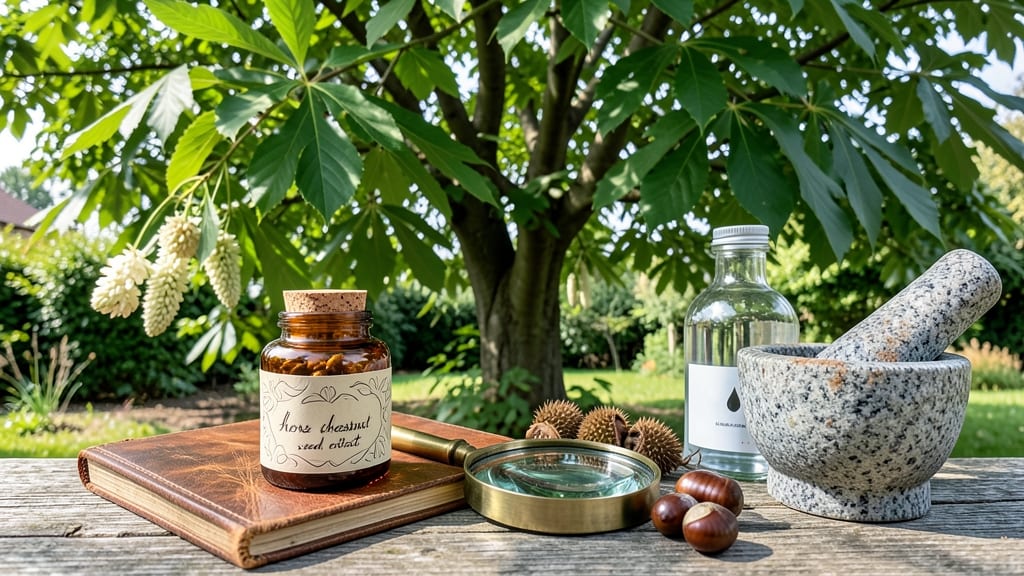
My slug-infested garden finally found a natural solution in horse chestnut seed extract—no more wilted lettuce or chewed zucchini overnight. 🌱 This extract, made from the seeds of the horse chestnut tree, creates a potent, organic barrier that slugs and snails can't cross, all without harming beneficial insects or your plants.
The secret lies in the compound aescin found in the seeds, which disrupts slugs' slime trails and repels them naturally. You'll need dried horse chestnut seeds (available online or from specialty nurseries), a mortar and pestle, and a bit of patience—no harsh chemicals required.
The process is simple, but the results are noticeable within days of application.
Imagine waking up to intact hosta leaves and full tomato blossoms instead of slimy trails and ragged edges.
This method works best in damp conditions (when slugs are most active) and lasts for about 2-3 weeks per application, making it perfect for organic gardeners who refuse to compromise on pest control.
Fair warning: the extract has a strong scent that some people find unpleasant—keep it away from pets and children until fully dried. For best results, apply in the evening when slugs are most active, and reapply after heavy rain. It’s a game-changer for anyone tired of toxic slug baits.
📚 In This Guide
- What you need
- Instructions
- Tips and common mistakes
- Wrapping up and next steps
What you need
- ● Horse chestnut seeds (conkers): 10–15 fresh, unroasted seeds (collected from fallen chestnut trees in autumn or spring). Note: Avoid seeds from sprayed trees.
- ● Water: 2–3 quarts (for extraction). Use rainwater or distilled if possible.
- ● Blender or mortar & pestle: To crush the seeds into a fine paste.
- ● Fine mesh strainer or cheesecloth: For filtering the liquid.
- ● Spray bottle (glass or BPA-free plastic): 8–16 oz, with a fine mist nozzle.
- ○ Label & marker: To tag your extract (optional but helpful!).
- ● Gloves: Protect your hands from seed residue (horse chestnut contains aescin, which can irritate skin).
- ● Glass jars: For storing leftover extract (airtight, dark glass preferred).
- ● Measuring cup: To ensure consistent water-to-seed ratios.
- ● Funnel: For easy transfer of liquid into spray bottles.
- ● Notebook: To track effectiveness and dilution ratios over time.
Step-by-Step guide to making horse chestnut seed extract for slug control
Turn those fallen horse chestnuts into a powerful, organic slug deterrent—nature’s way to protect your garden without harsh chemicals.
🌱 Step 1: Harvest and Prepare the Horse Chestnut Seeds
Collect fresh, mature horse chestnut seeds in late fall or early winter before they fully dry out. Look for seeds that have fallen naturally—they’ll have a smoother, less cracked shell. Avoid seeds with visible mold or holes, as these can harbor pests or bacteria. Rinse the seeds under cool water to remove any dirt or debris, then let them air-dry completely on a clean cloth for 24 hours.
Once dry, remove the outer husk by gently cracking the shell with a nutcracker or rolling it under your heel. The inner seed should be firm and brownish—this is what you’ll use for the extract. I like to soak the seeds in a bowl of cool water for 10 minutes before cracking them to soften the shell slightly. Here’s the thing—only use the seeds themselves, not the husk or shell, for the extract.
💧 Step 2: Create the Extract Using Alcohol or Vinegar
For a long-lasting extract, you’ll need either 70% isopropyl alcohol or white vinegar. Place the cleaned seeds in a clean glass jar and cover them completely with your chosen liquid. I prefer alcohol because it preserves the extract longer, but vinegar works well for a quicker, more acidic solution. Seal the jar tightly and let it steep in a cool, dark place for 4-6 weeks.
Shake the jar gently every few days to ensure the seeds stay submerged and the liquid absorbs their active compounds. You’ll notice the liquid darken slightly over time—that’s a good sign! After 4 weeks, strain the liquid through a fine-mesh sieve or cheesecloth into a clean bottle. Discard the seeds—they’ve done their job. Store the extract in a dark glass bottle in a cool, dry place.
✂️ Step 3: Apply the Extract to Protect Your Garden
Use the extract as a spray to create a natural barrier around your plants. Mix 1 part extract with 3 parts water in a spray bottle. Apply it directly to the soil around the base of your plants, focusing on areas where slugs are most active. Reapply every 2-3 weeks or after heavy rain, as the solution will break down over time. I also like to spray the leaves lightly—slugs avoid the bitter taste and will steer clear.
The active compounds in horse chestnut seeds create a repellent scent that slugs find unpleasant. You’ll know it’s working when you notice fewer slime trails in the morning and no chewed leaves. For added protection, apply the spray in the early evening when slugs are most active. Avoid spraying edible plants right before harvest, as the extract can leave a bitter residue.
🌿 Step 4: Maintain and Replenish Your Extract
Horse chestnut extract doesn’t last forever, so keep track of how much you’ve used. If the liquid turns cloudy or develops an off odor, it’s time to make a fresh batch. I like to label my bottles with the date so I remember when to refresh them. Store the extract in a dark place to prevent degradation from light.
To keep your garden slug-free long-term, combine this extract with other organic methods like copper tape around pots or diatomaceous earth in vulnerable areas. The extract works best as part of a layered defense system. Real talk—you might need to reapply more frequently in very wet climates, but it’s still worth the effort for a chemical-free garden.
Tips & tricks for perfect horse chestnut seed extract
Here's what nobody tells you about making this slug-fighting superstar work even better—nature's secret weapon for your garden.
Seed Selection is Everything: Don't just grab any horse chestnuts! Look for seeds that are plump, smooth, and free of cracks or mold spots. The best ones will have a firm, brownish interior when cracked open. I've found that seeds collected in late fall (after they've naturally fallen) work better than those still attached to the tree. Pro tip: Tap them gently against a hard surface—if they sound hollow, they're past their prime for extract-making.
Soaking Secret: That 10-minute soak before cracking isn't just about softening the shell—it's also giving the seeds a chance to release some of their natural oils. This helps the extract develop its slug-repelling properties more effectively. I like to use cool water for soaking because warm water can start breaking down those beneficial compounds we want to preserve. After soaking, pat them completely dry before moving to Step 2.
Steeping Strategy: The 4-6 week steeping time might seem long, but patience pays off here. Place your jar in a spot where the temperature stays consistent—around 65-70°F is ideal. If your kitchen gets much warmer, the extract might degrade faster. I've noticed that jars kept in a dark pantry develop a richer color and stronger repellent properties than those left in direct sunlight. Mark your calendar when you start so you don't forget about it!
Storage Wisdom: Once you've strained your extract, transfer it to a dark glass bottle with an airtight lid. The dark glass protects the active compounds from light degradation, which can happen quickly in clear containers. I like to keep mine in a cool basement or pantry rather than the fridge—this helps maintain its potency longer. Label your bottle with the date so you can track its freshness; most batches stay effective for 6-12 months when stored properly.
Pro Tips for Horse Chesnut Seed Extract
- Here's what nobody tells you about making this slug-fighting superstar work even better—nature's secret weapon for your garden.
- Seed Selection is Everything: Don't just grab any horse chestnuts!
- Soaking Secret: That 10-minute soak before cracking isn't just about softening the shell—it's also giving the seeds a chance to release some of their natural oils.
Frequently asked questions
How soon will I see results after applying horse chestnut extract?
Results vary, but you may notice a reduction in slugs within 1–3 days of application. For best results, reapply every 7–10 days or after heavy rain. Consistency is key—slugs can build up resistance if the extract isn’t reapplied regularly.
Is horse chestnut extract safe for pets and children?
While horse chestnut extract is non-toxic to humans and pets when used as directed, it’s always best to keep pets away from treated areas until the spray dries (usually 1–2 hours). If ingested in large amounts, it may cause mild stomach upset, so store it securely.
Can I use horse chestnut extract on edible plants like lettuce or herbs?
Yes! Horse chestnut extract is organic and safe for edible gardens when used properly. Just avoid spraying directly on leaves before harvest—wait 24–48 hours to ensure residue-free produce. Always test a small area first to check for sensitivity.
Will horse chestnut extract work in cold or rainy weather?
It works best in mild to warm conditions (50–75°F). Rain can wash it away, so reapply after heavy downpours. In cold weather (<40°F), slug activity slows—focus on protecting vulnerable plants with barriers instead until temperatures rise.
What’s a good alternative if I can’t find horse chestnut extract?
Try these natural slug repellents:
- Copper tape – Creates a mild electric barrier slugs avoid.
- Diatomaceous earth – Dries out slugs (reapply after rain).
- Coffee grounds – Sprinkle around plants as a deterrent.
- Beer traps – Slugs are attracted to beer and drown in shallow containers.
Why are slugs still around after using the extract?
Slugs may return if:
- You didn’t cover enough area—focus on edges of gardens and under dense foliage.
- It rained heavily before the extract dried.
- Slugs are newly hatched—reapply regularly to break their life cycle.
For stubborn infestations, combine with physical barriers (copper, egg cartons) or introduce slug-eating predators like ducks or ground beetles.
Wrapping up and next steps
Horse chestnut seed extract is a powerful, natural, and eco-friendly solution for keeping slugs at bay in your organic garden—without harsh chemicals! 🌱 Its ease of preparation and effectiveness make it a must-try for any gardener committed to sustainability.
Whether you're dealing with delicate seedlings or established plants, this method is simple, budget-friendly, and safe for both your garden and the environment.
Ready to give it a try? Start small—test the extract on a few plants first, and soon you’ll be enjoying a slug-free, thriving garden. Happy gardening! 🌿