
Size
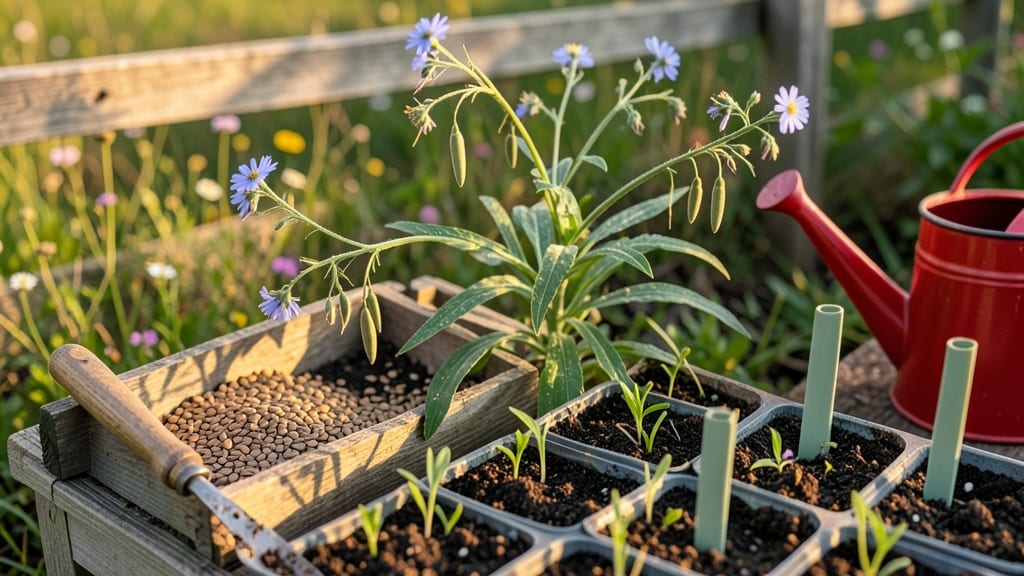
How to grow flax seed plants fast—with germination in just 10 days—makes them one of the most rewarding crops to cultivate. No waiting months for those first green shoots to appear. 🌱 I’ve grown flax for years, and the trick lies in prepping the soil just right and avoiding common pitfalls that slow things down. The right moisture, temperature, and a little patience turn flax from a tricky crop into one of the easiest plants to grow, even for beginners.
You’ll need well-draining soil, a sunny spot with at least 6 hours of light daily, and a flat area to spread seeds thinly—no need for deep planting. Flax thrives in temperate climates but can adapt if you start seeds indoors early.
The key is keeping the soil consistently moist (not soggy) until germination, then letting it dry slightly between waterings once established. This plant is fussy about overwatering, but once it finds its rhythm, it grows fast and tall.
By harvest time, you’ll have sturdy stems perfect for linen or seeds rich in omega-3s—no waste, just rewards. The plants reach maturity in about 90 days, and with proper spacing (12–18 inches apart), they won’t compete for nutrients.
Even if pests like aphids show up, a quick spray of soapy water keeps them in check without harming the plant.
Whether you’re growing flax for fiber, oil, or just the joy of watching it shoot up in record time, this method works for small gardens, containers, or even a sunny windowsill.
The best part? You’ll have a zero-waste harvest that puts store-bought flax to shame. Let’s get those seeds in the ground!
📚 In This Guide
- What you need
- Instructions
- Tips and common mistakes
- Wrapping up and next steps
What you need
- ● Flax seeds (organic, untreated): 1–2 lbs (or ~1 cup for small containers)
- ● Growing containers: Small pots (4–6" diameter) or
- ● Seed trays with drainage holes (for multiple plants)
- ● Reusable containers (e.g., yogurt cups, egg cartons) for zero-waste starts
- ● Potting mix: Lightweight, well-draining soil (e.g., 50% coco coir + 50% perlite or store-bought seed-starting mix)
- ● Watering can or spray bottle (gentle watering is key!)
- ● Clear plastic wrap or humidity dome (to retain moisture during germination)
- ● Garden trowel or small hand shovel (for transplanting)
- ● Plant labels & marker (to track varieties)
- ● Grow lights or sunny windowsill (6+ hours of light/day for seedlings)
- ● Compost or worm castings (boosts soil fertility after germination)
- ● Biodegradable seedling pellets (eco-friendly alternative to soil)
Step-by-Step instructions for growing flax seed plants
Here’s how to get flax sprouting in just 10 days—no fancy tools, no wasted seeds.
🌱 Step 1: Soak Seeds for 12 Hours to Kickstart Germination
Place 1 cup of flax seeds in a clean bowl and cover them with 2 cups of lukewarm water. Let them soak overnight—12 hours total—until they’ve swollen noticeably. This softens the outer shell so they burst through faster. I like to use a fine-mesh strainer to drain excess water afterward, but don’t rinse them dry yet.
If you forget to soak them, don’t stress—just plant them dry. They’ll still germinate, but it’ll take 3-5 extra days. The key here is speed, and soaking cuts that time in half. Once swollen, they’re ready for planting.
🪴 Step 2: Plant in a Shallow Container with Drainage
Fill a flat, shallow tray (like a seed-starting tray or even a repurposed baking dish) with 2 inches of moistened potting mix. Press it down lightly so it’s firm but not compacted. Scatter the soaked flax seeds ½ inch apart—they’re small, so use tweezers if needed. Cover them with just ¼ inch of soil to avoid burying them too deep.
Water gently until the soil looks damp but not soggy. Flax seeds need moisture to germinate, but standing water will drown them. If your tray lacks drainage holes, poke a few with a pencil to prevent waterlogging.
☀️ Step 3: Keep Warm and Moist Until Sprouts Appear
Place the tray in a warm spot (ideally 70-75°F)—a sunny windowsill or under a grow light works best. Cover the tray with a damp paper towel to retain humidity, but remove it once sprouts break through the soil in 3-5 days. You’ll see tiny green shoots first, followed by the first true leaves in 7-10 days total. Keep the soil consistently moist but never waterlogged.
If the soil dries out, germination slows or stops. Check daily and mist lightly if the top feels dry. Avoid overwatering—flax seedlings rot quickly if smothered. Once they’re 2 inches tall, you can thin them to 1 inch apart for better airflow.
✂️ Step 4: Harvest Sprouts or Transplant Seedlings
For microgreens, snip the sprouts 1-2 inches above soil when they’re 2-3 inches tall (usually 10-14 days after planting). Rinse them gently, drain, and enjoy! For mature plants, transplant seedlings 3-4 inches apart into a garden bed or larger pot once they have 2-3 true leaves. Flax plants thrive in full sun and well-draining soil.
If growing for seeds, let plants flower and dry on the stalk before harvesting. Watch for blue-purple blooms—that’s your cue they’re ready. Cut stems when they’re fully browned, then thresh seeds by hand or in a paper bag.
Tips & tricks for growing flax seed plants
Took me a while to figure these out, so here goes—these tricks will help you avoid common pitfalls and get those flax sprouts growing like a pro.
Soaking Smarts: The 12-hour soak is your secret weapon for speedy germination. If you're short on time, you can actually soak them for up to 24 hours—just don't let them dry out during that time. I've found that using a glass bowl makes it easy to see when the seeds have swollen noticeably, which is your cue they're ready for planting.
Planting Precision: In Step 2, when scattering those tiny seeds ½ inch apart, I recommend using a toothpick to gently press each seed into the soil. This ensures good soil contact and prevents them from washing away when you water. Also, that ¼-inch soil coverage is crucial—any deeper and they won't have the energy to push through.
Heat Hack: Maintaining that 70-75°F range is easier than it sounds. If your home tends to run cooler, place the tray on top of your refrigerator (not inside) or use a heating pad set to low. For warmer climates, move the tray to a shadier spot—flax seeds can get leggy if they're too hot. The goal is consistent warmth without overheating.
Harvest Timing: For microgreens, I've found that harvesting at 2-3 inches tall gives you the perfect balance of tenderness and nutrition. If you're growing for seeds, watch for those blue-purple blooms—they're your clear signal that the seeds are ready. I like to harvest seeds in the morning when humidity is lower, which helps them dry more evenly.
Pro Tips for Grow Flax Seed Plants
- Took me a while to figure these out, so here goes—these tricks will help you avoid common pitfalls and get those flax sprouts growing like a pro.
- Soaking Smarts: The 12-hour soak is your secret weapon for speedy germination.
- Planting Precision: In Step 2, when scattering those tiny seeds ½ inch apart, I recommend using a toothpick to gently press each seed into the soil.
Frequently asked questions
Got questions about growing flax seed plants? You’re not alone! Here are some of the most common concerns—and their straightforward answers—to help you grow confidently.
How long does it take for flax seeds to germinate?
Flax seeds typically sprout in 5–10 days under ideal conditions (warmth, moisture, and indirect light). For fast germination, soak seeds overnight before planting or use a seedling heat mat. Patience is key—don’t disturb the soil until sprouts appear!
Can I grow flax indoors without sunlight?
Yes! Flax thrives indoors with 12–14 hours of artificial light daily (LED grow lights work best). Place trays near a sunny window or supplement with a timer-controlled bulb. Just ensure the room stays cool (60–70°F)—flax hates heat stress.
What if my flax plants turn yellow or wilt?
Yellow leaves often signal overwatering or nutrient deficiency. Let soil dry slightly between waterings, and fertilize lightly with compost tea. Wilting? Check for underwatering or pests (like aphids). Adjust care and monitor closely—flax is resilient once issues are caught early!
Can I reuse flax seed husks after harvesting?
Once seeds are removed, flax husks can be composted, used as mulch, or even blended into homemade skincare masks (rich in omega-3s!). For zero waste, save them in a dry jar until needed—nature’s multitasker!
Are there flax varieties better for beginners?
Start with ‘Linola’ or ‘Barbless’ flax—they’re easier to harvest and less prone to shattering. Avoid traditional brown flax if you’re new; these varieties are forgiving and perfect for learning the ropes. Check seed packets for “short-stature” labels for compact growth!
Wrapping up and next steps
Growing flax seed plants is a rewarding journey that yields nutrient-rich seeds and lush greens—all while keeping your garden zero-waste! 🌱 With the right soil, sunlight, and patience, you’ll enjoy fast germination in just 10 days and a bountiful harvest.
Whether you’re a beginner or a seasoned gardener, this method proves that sustainability and simplicity go hand in hand.
Now that you’re armed with the know-how, why not start small? Try growing a few plants in a pot or small plot, and soon you’ll be harvesting flax for seeds, oil, or even linen. Happy planting—and here’s to a greener, healthier harvest! 🌿