
Lawn
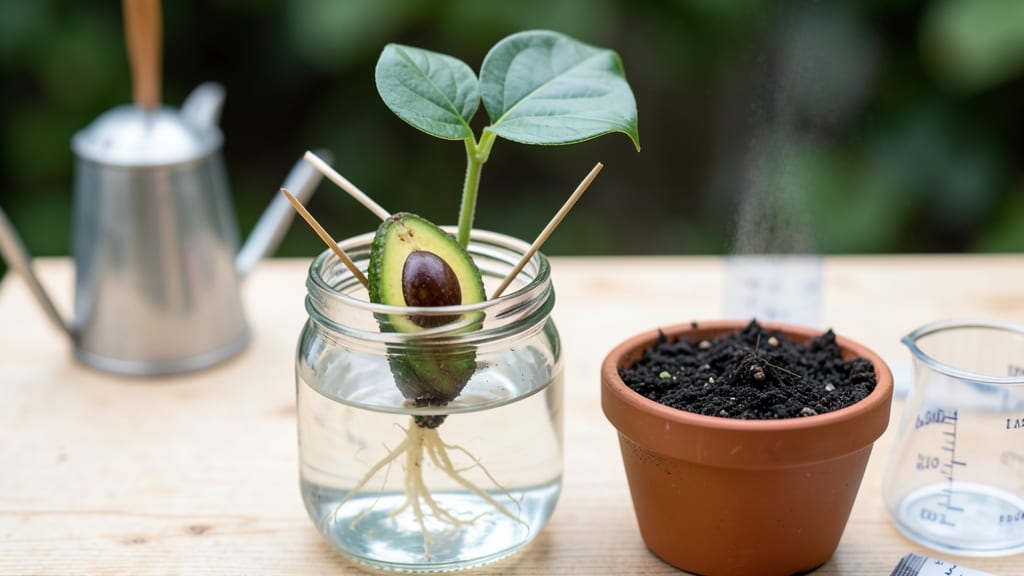
Turn that avocado pit into a thriving plant in just 2 weeks—no green thumb required. 🌱 I’ve sprouted avocado seeds a dozen times, and the process is shockingly simple once you know the tricks to avoid mold and stunted growth.
All you need is a clean pit, three toothpicks, a jar of water, and a sunny windowsill. The key is patience: roots appear first, then the shoot, and by week three, you’ll transplant it into soil. Most people quit here—but that’s when the real fun begins.
Your plant will grow into a lush, tropical-looking tree that thrives indoors, purifies air, and (with years of care) might even produce fruit. The first leaves unfurl like tiny green fans, and the roots thicken into a sturdy base for years of growth.
This method works year-round, whether you’re a kid doing a science project or an adult craving a low-maintenance houseplant. Here’s how to keep it alive and growing strong!
📚 In This Guide
- What you need
- Instructions
- Tips and common mistakes
- Wrapping up and next steps
What you need
- ● 1 ripe avocado (pick one with a firm but soft pit for easier sprouting)
- ● 3–4 toothpicks (or small skewers)
- ● 1 small glass or jar (6–8 oz, with a narrow neck)
- ● Water (room temperature, filtered if possible)
- ● 1 plastic wrap or aluminum foil (to cover the jar)
- ● 1 well-draining potting mix (lightweight, like cactus/succulent mix)
- ● 1 small pot or container (3–4 inches wide, with drainage holes)
- ○ 1 spray bottle (for misting, optional but helpful)
- ● Rooting hormone (speeds up root growth)
- ● Grow lights or sunny windowsill (10+ hours of indirect light daily)
- ● Humidity dome or plastic bag (to retain moisture)
- ● Fertilizer (balanced, diluted) (after 4–6 weeks)
Step-by-step instructions for sprouting an avocado seed
Here's how to turn that grocery-store pit into a thriving houseplant in just two weeks.
🌱 Step 1: Prepare the Avocado Seed for Planting
Start by washing the avocado pit under cool water to remove any remaining fruit residue. I like to scrub it gently with a soft brush—this prevents mold from forming later. Once clean, look for the small dimple at the bottom where the stem was attached. This is your seed's "north pole," and it's where the roots will emerge.
Insert three or four toothpicks around the pit, spacing them evenly about ½ inch from the edges. The toothpicks should be parallel to each other, creating a small stand. This keeps the seed elevated so roots can grow downward into water without rotting. If you don't have toothpicks, bamboo skewers work just as well.
💧 Step 2: Submerge the Seed and Monitor Water Levels
Fill a glass or jar with enough water to cover about ⅓ of the seed—just enough to reach the bottom where the roots will form. The toothpicks should keep the seed floating, with the dimpled end facing down. Place the glass in a warm spot, like on top of a refrigerator or near a sunny window.
Change the water every 2-3 days to prevent bacteria growth. You'll notice tiny white roots emerging from the dimple within 1-2 weeks. These roots should grow about 2-3 inches before you move to the next step. If the water turns cloudy or smells funky, dump it and refill immediately—this means bacteria is setting in.
☀️ Step 3: Transfer to Soil When Roots Are Strong
Once the roots reach about 2-3 inches, it's time to plant. Fill a small pot—4-6 inches in diameter—with well-draining potting mix. I like to mix regular potting soil with a little perlite to improve drainage. Make a hole in the center about 1 inch deep and gently place the seed in, covering the roots but leaving the top half exposed.
Press the soil lightly around the seed to secure it. Water gently until it drains from the bottom, then place the pot in bright, indirect light. Avoid direct sunlight at first—it can scorch the young plant. You'll see the first leaves appear in about 2-4 weeks, signaling your seedling is thriving.
🪴 Step 4: Care for Your New Avocado Plant
Keep the soil consistently moist but never soggy. Stick your finger 1 inch into the soil—if it feels dry, it's time to water. Avocado plants love humidity, so mist the leaves occasionally or place the pot on a tray of pebbles with water to increase moisture around the plant. A south-facing window or a grow light provides the best growth conditions.
Fertilize lightly every 2-3 months with a balanced, water-soluble fertilizer diluted to half strength. Over-fertilizing can harm the young plant. With proper care, your avocado seedling can grow into a small tree, though it may take years to produce fruit. The real reward? Watching it grow from a tiny sprout into a lush, green houseplant.
Tips & tricks for perfect avocado seed sprouting
A few simple tricks can make all the difference between a thriving avocado plant and a failed experiment.
Cleaning is Key: Don't skip scrubbing the avocado pit thoroughly—even tiny bits of fruit left behind can attract mold and bacteria. I've seen people rush this step and end up with a pit that refuses to sprout. Use a soft brush and warm water to ensure every crevice is clean before planting. This small effort prevents weeks of frustration later.
Toothpick Placement Matters: When inserting toothpicks, space them evenly around the pit's equator—about ½ inch from the edges. If you place them too close to the top or bottom, the pit might tip over in the water. I like to visualize a perfect cross shape when looking at the pit from the side. This ensures stability so your seed stays properly oriented for root growth.
Root Growth Timeline: The instructions mention roots appearing in 1-2 weeks, but here's what to watch for: After about 5 days, you might see tiny white hairs emerging. These aren't true roots yet—just early root hairs. Wait until you see ½-inch roots before transferring to soil. Patience pays off here; rushing can damage delicate roots.
Soil Mix Secret: While regular potting soil works, I've found that adding perlite (about 1 part perlite to 4 parts soil) makes a huge difference. This improves drainage and prevents root rot, which is especially important for avocado seedlings that need their roots to breathe. The extra air pockets help young roots establish faster.
Pro Tips for Make An Avocado Seed Sprout
- A few simple tricks can make all the difference between a thriving avocado plant and a failed experiment.
- Cleaning is Key: Don't skip scrubbing the avocado pit thoroughly—even tiny bits of fruit left behind can attract mold and bacteria.
- Toothpick Placement Matters: When inserting toothpicks, space them evenly around the pit's equator—about ½ inch from the edges.
Frequently asked questions
Got questions about sprouting your avocado seed? You’re not alone! Here are answers to the most common curiosities—so you can grow your plant with confidence.
How long does it take for an avocado seed to sprout?
With the right care, your avocado seed should sprout roots within 2–6 weeks. Patience is key—keep the toothpicks in water, and change the water every 2–3 days to avoid mold. Once roots reach 2–3 inches, you’re ready for the next step! Pro tip: Warmth (70–80°F) speeds up germination.
What if my avocado seed isn’t sprouting?
Don’t worry—seeds need time! If nothing happens after 6 weeks, check these fixes:
- Water quality: Use room-temperature, filtered water (chlorine can harm sprouts).
- Moisture: Keep the seed consistently damp (not soggy).
- Location: Place near a sunny window (indirect light is best).
- Seed viability: Some seeds take longer or may not sprout—try another!
Can I plant the avocado seed directly in soil without sprouting it first?
Technically yes, but sprouting first gives roots a head start. If you skip the water stage, bury the seed halfway down in moist soil (1–2 inches deep) and keep it warm. However, roots may take longer to establish—soaking it first boosts success rates!
How do I know when the avocado seed is ready to plant in soil?
Your seed is ready when it has 2–3 inches of healthy roots and a tiny green shoot (or just roots if you’re planting blind). Gently transfer it to a pot with well-draining soil, keeping the roots covered but the top half exposed. Water lightly and place in bright, indirect light.
Will my avocado tree grow fruit if I start from a seed?
Yes, but it’ll take 5–10 years (or longer!) to bear fruit. Seed-grown trees are also less predictable—they may not match the parent plant’s flavor or size. For faster results, consider grafting, but sprouting from seed is a rewarding (and free!) project for patience lovers!
Wrapping up and next steps
Growing an avocado seed into a thriving plant is easier than you think—and it’s a rewarding way to bring a touch of nature indoors! 🌱 With just a little patience and the right conditions, you’ll have a lush, green sapling in no time.
Now that you’ve mastered the basics, why not take the next step? Try propagating more seeds, experimenting with different soil mixes, or even gifting your new plant to a fellow green thumb.
Remember, every gardener starts somewhere—your avocado sprout is just the beginning of a bigger, greener adventure. Happy growing! 🌿