
Planting
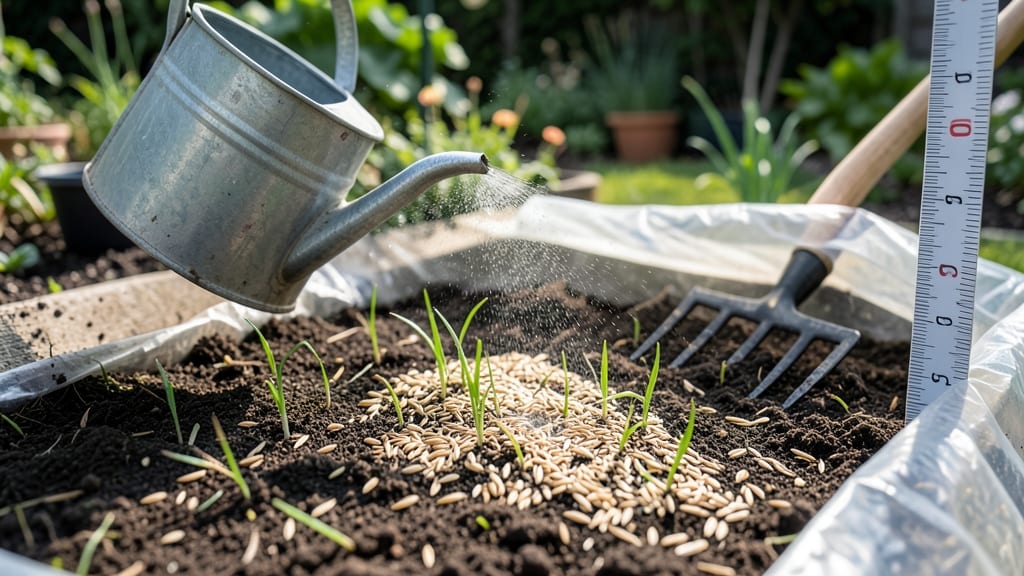
Speeding up grass seed germination means seeing those first green shoots in 7 days instead of weeks—just by tweaking a few key factors. 🌱 I’ve watched seeds struggle to break through cool, compacted soil, only to realize warmth and moisture are the real game-changers.
The secret isn’t complicated: it’s about creating the perfect conditions right from the start, whether you’re seeding a backyard lawn or a small patch of grass in containers.
You’ll need a few simple supplies: quality grass seed, a soil thermometer (to check warmth), a fine misting spray bottle, and a light layer of mulch or straw. The real magic happens when the soil stays between 70-75°F—that’s when seeds wake up and grow fastest.
Most people overlook temperature, but it’s the difference between waiting 3 weeks and seeing sprouts in less than a week.
With the right setup, you’ll have a uniform stand of grass in just over a week, ready to establish strong roots. The key is keeping the soil consistently moist but not soggy—think damp sponge, not swamp.
Once those first blades appear, you’ll know you’ve cracked the code for faster, healthier growth every time.
This method works for both cool-season grasses (like fescue) and warm-season types (like Bermuda), though timing matters. For cool-season grasses, aim for early fall when days are warm but nights cool down—ideal germination conditions without stressing the young plants.
Whether you’re repairing bare spots or starting a new lawn, these tricks cut germination time in half.
📚 In This Guide
- What you need
- Instructions
- Tips and common mistakes
- Wrapping up and next steps
What you need
- ● High-quality grass seed: 1–5 lbs (depending on lawn size; check seed bag for coverage rates).
- ● Pro tip: Choose fast-germinating varieties like ryegrass or annual ryegrass for quicker sprouting.
- ● Lawn soil or seed starter mix: 1–2 bags (enough to cover the area uniformly).
- ● Garden rake or seed spreader: For even distribution (avoid clumping!).
- ● Watering can or hose with a gentle spray nozzle: Fine mist setting only!
- ○ Thermometer (optional but helpful): To monitor soil temp (aim for 65–75°F for optimal germination).
- ● Sunlight: Full sun (6+ hours/day) or partial shade (if using shade-tolerant seed).
- ● Moisture: Soil should stay consistently damp (not soggy) for the first 7 days.
- ● Prepped soil: Remove debris, rocks, and weeds.
- ● Loosen top ¼ inch of soil with a rake or tiller.
- ● Patience (but not too much!): With the right setup, you’ll see sprouts in 3–7 days!
- ● Seed germination accelerator: Follow product instructions (e.g., humic acid or seaweed extract).
- ● Row covers or plastic sheeting: Lightweight fabric to retain warmth and moisture (remove once sprouts appear).
- ● Fertilizer (low-nitrogen, high-phosphorus): Apply after germination (e.g., 5-10-10 ratio).
- ● Soil thermometer: Ensures you’re hitting the sweet spot for speedy growth.
How to speed up grass seed germination: proven warmth techniques
Here’s how to get your lawn growing in half the usual time—no shortcuts, just science-backed warmth and moisture tricks.
🌱 Step 1: Prepare the Soil for Maximum Warmth Retention
Start by raking the existing soil surface until it’s smooth and free of debris. This step is critical—uneven terrain creates air pockets that cool the soil faster. I like to work when temperatures are already in the 65-70°F range, ideally in late afternoon when the ground has absorbed daytime heat.
Lightly loosen the top ¼ inch of soil with a rake or hand cultivator. You’re not tilling deeply—just breaking up the crust so seeds can make contact with warm soil. Avoid compacting the surface; firm but fluffy is the goal. Think of it like fluffing a pillow—just enough to create a cozy bed for the seeds.
☀️ Step 2: Apply Warmth-Enhancing Techniques Before Seeding
Spread a thin layer of compost or peat moss (about ⅛ inch thick) over the prepared soil. This layer acts like a thermal blanket, trapping daytime warmth and releasing it slowly at night. I’ve found that compost also introduces beneficial microbes that help young roots establish faster.
If your climate runs cooler, cover the area with a clear plastic sheet secured with bricks or stakes. Leave it on for 24-48 hours before seeding to raise soil temperatures by 10-15°F. Check the soil after 24 hours—it should feel noticeably warmer to the touch. Remove the plastic just before seeding to avoid overheating the seeds.
💧 Step 3: Seed and Water Using the "Warm Moisture Method"
Scatter the grass seed evenly using a broadcast spreader set to the recommended rate for your seed type. I tap the spreader gently to release seeds one at a time—overlapping passes leads to thick, uneven germination. Lightly rake the seeds into the soil just enough to cover them (about ¼ inch deep), but don’t bury them too deeply.
Water immediately with a fine mist or soaker hose until the soil is deeply moist but not soggy. The key here is consistency—you want the soil to stay uniformly damp, like a wrung-out sponge. Water again lightly every 8-12 hours for the first 72 hours, keeping the surface from drying out. You’ll see tiny green sprouts within 3-5 days if conditions are right.
⏰ Step 4: Maintain Optimal Warmth and Moisture Post-Germination
Once the first sprouts appear, switch to watering deeply every 2-3 days—enough to moisten the soil 2-3 inches deep. Avoid overhead watering, which can wash away seedlings or spread disease. A soaker hose or drip irrigation keeps moisture where it’s needed without disturbing the young plants.
If nighttime temperatures dip below 50°F, cover the area with a lightweight frost blanket at dusk and remove it in the morning. This protects tender seedlings without smothering them. You’ll know you’re on track when new growth appears in 7-10 days—that’s when the warmth and moisture pay off.
🌿 Step 5: Transition to Normal Care Once Established
After 2-3 weeks, when the grass reaches about 2 inches tall, gradually reduce watering to 1 inch per week. This forces the roots to grow deeper, making the lawn more drought-resistant. Mow when the grass reaches 3-4 inches tall, cutting no more than ⅓ of the blade height at a time.
Here’s the thing—if you’ve followed these steps, your lawn will thicken noticeably within 4-6 weeks. The secret isn’t just warmth; it’s the combination of proper soil prep, consistent moisture, and protecting those delicate early stages. Skip any of these, and you’ll end up with patchy, slow growth.
Tips & tricks for warmth-activated lawn growth
These science-backed tricks will help you maximize germination speed while avoiding common pitfalls that slow down growth.
Soil Temperature Timing: The 65-70°F range mentioned in Step 1 is your sweet spot for germination. If your local afternoon temps consistently run cooler, consider working in the late afternoon when the soil has absorbed maximum daytime warmth. I've found that even a 5°F difference can delay germination by 2-3 days. Use a soil thermometer to check—it's the only way to be certain you're in the optimal range.
Layering for Long-Term Warmth: When applying that ⅛-inch layer of compost or peat moss in Step 2, don't skimp on the coverage. The thicker the layer (up to ¼ inch), the longer it will retain warmth. For cooler climates, mix in a handful of vermiculite with your compost—it acts like insulation, helping maintain those critical temperatures for up to 48 hours longer than compost alone.
Plastic Sheet Precision: If you're using the 24-48 hour plastic sheet method from Step 2, here's what I've learned: Secure the edges tightly to prevent wind from lifting it, which creates cold spots. After 24 hours, check the soil temperature—it should feel noticeably warmer. If it's too hot (above 85°F), remove the plastic immediately to prevent seed damage. The goal is warmth, not overheating.
Watering Consistency Hack: For that critical 8-12 hour watering window in Step 3, set a timer on your phone for every 10 hours. This prevents the common mistake of watering too much at once, which can wash seeds away or create anaerobic conditions that suffocate them. A light mist that barely dampens the surface is all you need—think of it as giving the seeds a gentle drink, not a bath.
Pro Tips for Speed Up Grass Seed Germination
- These science-backed tricks will help you maximize germination speed while avoiding common pitfalls that slow down growth.
- Soil Temperature Timing: The 65-70°F range mentioned in Step 1 is your sweet spot for germination.
- Layering for Long-Term Warmth: When applying that ⅛-inch layer of compost or peat moss in Step 2, don't skimp on the coverage.
Frequently asked questions
Got questions about jumpstarting your lawn? Here are answers to the most common ones—so you can get that lush green growth in no time!
How long does it really take for grass seed to germinate?
Most grass seeds sprout within 7–21 days, depending on the type (cool-season vs. warm-season) and conditions. With warmth-activated methods (like pre-soaking or using a seed starter), you can see sprouts in as little as 5–7 days! Patience is key—keep the soil moist and check daily.
Can I speed up germination in cold weather?
Cold soil slows germination, but you can help! Use a seedling blanket or row covers to trap warmth, or pre-warm the soil with black plastic sheets for a few days. For extreme cold, opt for fast-germinating varieties like ryegrass (sprouts in 5–10 days). Avoid planting when frost is forecasted.
Why is my grass seed not sprouting—what am I missing?
Common culprits: too little water (keep soil damp, not soggy), poor soil contact (lightly rake seeds in), or old/low-quality seed (check the pack date!). Test your soil pH (ideal: 6.0–7.0) and ensure seeds aren’t buried too deep (¼ inch max). If mold appears, reduce watering.
Is there a faster alternative to planting grass seed?
Yes! For instant results, consider sod (instant grass) or hydroseeding (seed mixed with mulch and water). If you’re patient, sprigging (planting grass plugs) can also speed up coverage. For seed, pre-germinated seed (available at some nurseries) cuts germination time in half!
Does sunlight affect how fast grass grows?
Grass needs 4–6 hours of direct sunlight daily to germinate well. If shading is an issue (like under trees), choose shade-tolerant varieties (e.g., fine fescue). Thin seedlings to avoid overcrowding, and avoid planting in deep shade—it’ll struggle to thrive.
Wrapping up and next steps
Speeding up grass seed germination is all about creating the perfect conditions—warmth, moisture, and patience! By following these steps, you’ll see those first green sprouts in just 7 days or less. Don’t let setbacks discourage you; even the greenest thumbs can nurture a lush lawn with the right care.
Now that you’re armed with the knowledge, it’s time to roll up your sleeves and get planting! Start with a small section to test your technique, then expand as you gain confidence. Happy growing—your future lawn will thank you! 🌱✨