
Lawn
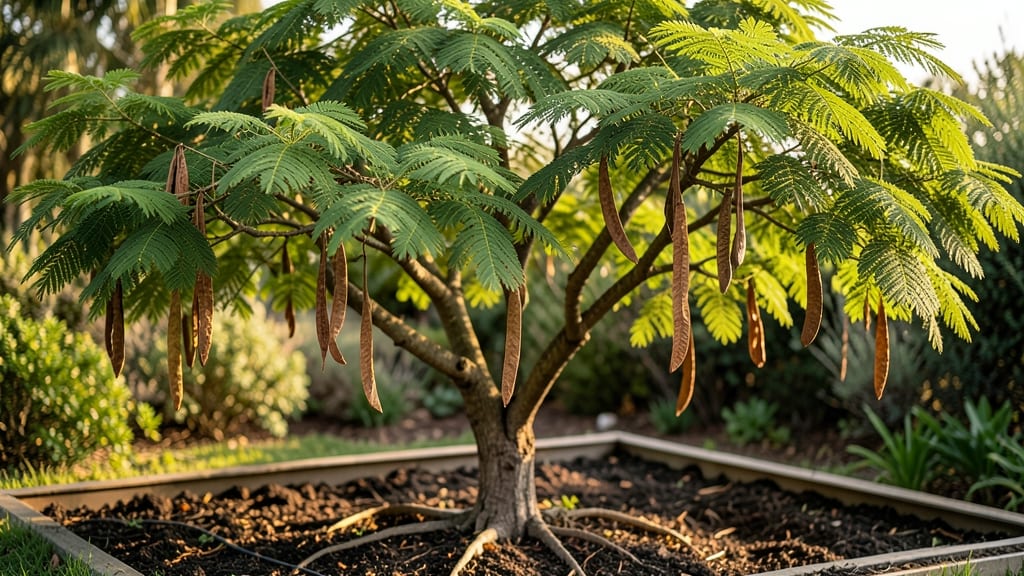
Jacaranda seed pods drop like confetti when the tree shakes its branches—and that’s your chance to grow a new tree for free. 🌿 The key is knowing when to collect them, how to dry them properly, and where to store them so they stay viable for months.
I’ve learned the hard way that skipping these steps means seeds that won’t sprout, no matter how patient you are.
Harvest pods when they turn brown and papery, usually in late summer or early fall, and spread them out in a dry, shaded spot for 2-3 weeks to finish drying.
Store them in a sealed container with silica gel or a moisture absorber—this keeps them from molding and ensures they’ll germinate when you’re ready. The secret? Patience. Jacaranda seeds can take 6-12 months to break dormancy, but with the right prep, you’ll see those first green shoots in no time.
Once you’ve got your dried pods, soak the seeds in warm water for 24 hours before planting to soften the tough outer shell. Plant them ½ inch deep in well-draining soil, and keep them moist but not soggy.
Within 4-8 weeks, you’ll spot tiny leaves—proof that your storage and prep worked. The best part? These trees grow fast, and in just a few years, you’ll have that signature purple bloom clouding your yard every spring.
This method works for gardeners in USDA Zones 7-10, but if you’re in a colder zone, start seeds indoors 8-10 weeks before your last frost. The biggest mistake?
Rushing the drying process or planting too deep—both can kill germination. With these steps, you’ll turn those fallen pods into a shade tree that’ll last for decades.
📚 In This Guide
- What you need
- Instructions
- Tips and common mistakes
- Wrapping up and next steps
What you need
- ● Fresh jacaranda seed pods: Collect 10–20 mature pods (brown, dry, and slightly papery). Aim for pods that have naturally opened slightly to release seeds.
- ● Pruning shears or garden scissors: For safely harvesting pods from trees (sterilize blades with rubbing alcohol if reusing).
- ● Paper bags or breathable mesh sacks: 2–3 medium-sized bags (12x15 inches) to store pods while drying. Avoid plastic—it traps moisture!
- ● Drying tray or screen: A wire rack, baking sheet, or even a wooden frame covered with mesh to allow airflow.
- ○ Fan (optional but helpful): A small box fan or dehumidifier to speed up drying in humid climates.
- ● Seed storage containers: Airtight jars, glass vials, or resealable plastic bags with silica gel packets (for long-term storage).
- ● Labeling supplies: Masking tape + marker or small tags to note harvest date and pod type.
- ● Gloves (recommended): Thin gardening gloves to protect hands from seed pod fibers.
- ● Seed viability test kit: A simple float test (water + salt) to check seed health before planting.
- ● Humidity monitor: To track drying conditions (ideal: 30–50% humidity).
- ● Sieve or fine mesh strainer: For separating seeds from chaff after drying.
- ● Notebook or app: To log germination progress (e.g., Seed to Seed or a simple spreadsheet).
Step-by-step instructions for harvesting and storing jacaranda seed pods
Here's how I collect, dry, and store these beautiful pods so their seeds stay viable for planting whenever you're ready.
🌿 Step 1: Harvest Mature Seed Pods at Peak Ripeness
Wait until the seed pods turn from green to a rich, deep brown—this signals they're fully mature and ready for harvest. I like to collect them in late fall or early winter when they've naturally dropped from the tree. If pods are still on the tree, gently twist them off with your hands or use pruning shears to avoid damaging the branches.
Look for pods that feel dry and papery to the touch, with no green remnants. If you find any still attached that are green or soft, leave them on the tree—they won't produce viable seeds yet. A single healthy jacaranda tree can yield dozens of pods, so gather as many as you can. Store them in a paper bag or open container to allow airflow while you process them.
🪴 Step 2: Extract Seeds and Clean Thoroughly
Once you're home, open each pod carefully—some may split naturally, while others need a gentle tap or slight twist to release the seeds. Lay the pods on a clean towel and tap them lightly with a wooden spoon to encourage the seeds to fall out. Avoid using metal tools, as they can damage the delicate seed coats.
Remove any debris, chaff, or empty seed casings by hand. Jacaranda seeds are small and flat, with a shiny brown exterior. I spread them out on a baking sheet lined with paper towels to make cleaning easier. Discard any seeds that appear shriveled, discolored, or damaged—they won't germinate well. A good batch should yield at least 20-30 clean seeds per pod.
☀️ Step 3: Dry Seeds Completely Before Storage
Spread the cleaned seeds in a single layer on a baking sheet or mesh screen in a warm, dry place. I place mine near a sunny window or under a fan to ensure even drying. The goal is to reduce their moisture content to 5-10%, which prevents mold and extends storage life. This usually takes 3-5 days, depending on humidity levels in your area.
Check the seeds daily—they're fully dry when they feel light and brittle to the touch. If you notice any seeds developing mold or musty smells, spread them out again in a drier location. Once dry, store them in a sealed container with a desiccant packet to absorb any remaining moisture. A small glass jar with a tight-fitting lid works perfectly for this purpose.
⏰ Step 4: Store Seeds in a Cool, Dark Place
Place the sealed container of dried seeds in a cool, dark spot—like a pantry or basement—where temperatures stay between 35-50°F. Jacaranda seeds can remain viable for 1-2 years under these conditions, though germination rates may decline after the first year. Label the container with the date of harvest to keep track of freshness.
When you're ready to plant, soak the seeds in warm water for 12-24 hours before sowing to soften the hard outer coating. This step significantly improves germination rates. Jacaranda seeds are slow to sprout, often taking 4-6 weeks to break through the soil, so patience is key. Keep the soil consistently moist but not soggy during this time.
Tips & tricks for perfect jacaranda seed pod harvesting
Here's what I've learned after years of working with these delicate pods—tricks that'll help you maximize seed viability and avoid common pitfalls.
Harvesting Timing: The deep brown color is your best indicator, but also check for seed rattling inside the pod. If you tap a mature pod and it sounds hollow, it's ready. I've found that pods harvested in late fall (after the first frost) often yield the most seeds—nature's way of preparing them for storage. If you're in doubt, split one open to check the seeds inside before collecting the whole batch.
Seed Extraction Technique: For stubborn pods, place them in a paper bag and gently crush them with a rolling pin—this releases seeds without damaging them. I've tried using metal tools, but they can nick the seed coats, reducing germination rates. Always work on a clean towel to catch any seeds that might fall during extraction. A magnifying glass helps spot tiny seeds mixed with debris during cleaning.
Drying Strategy: The 3-5 day drying time can vary dramatically based on humidity. If you're in a damp climate, consider using a food dehydrator set to its lowest setting (around 95°F) to speed up the process safely. Just monitor closely—seeds dry faster than you might expect. I've had batches ready in just 2 days when using this method, but never exceed 5 days to avoid over-drying.
Storage Wisdom: That 35-50°F range is crucial, but don't overlook the importance of darkness. Even a small amount of light can trigger premature germination. I store my jars wrapped in aluminum foil for extra protection, especially if keeping them in a garage or shed. The desiccant packet is non-negotiable—without it, seeds can develop mold within weeks even in cool conditions.
Pro Tips for Jacaranda Seed Pods
- Here's what I've learned after years of working with these delicate pods—tricks that'll help you maximize seed viability and avoid common pitfalls.
- Harvesting Timing: The deep brown color is your best indicator, but also check for seed rattling inside the pod.
- Seed Extraction Technique: For stubborn pods, place them in a paper bag and gently crush them with a rolling pin—this releases seeds without damaging them.
Frequently asked questions
Got questions about jacaranda seed pods?
You’re not alone! Here are some of the most common queries—and their answers—to help you master harvesting, drying, and storing these unique pods for successful germination.
When is the best time to harvest jacaranda seed pods?
Harvest pods when they turn brown and papery (usually late summer to early fall) but before they split open naturally. Overripe pods release seeds prematurely, reducing viability. Aim for a dry, sunny day to make collection easier—just shake the pods gently into a bucket!
How long does it take for jacaranda seed pods to dry completely?
Drying time varies by climate, but pods typically need 2–4 weeks in a well-ventilated, shaded area (like a mesh bag or paper-lined tray). Test readiness by gently squeezing a pod—if it crumbles easily, it’s dry. Pro tip: Use a fan on low to speed up the process in humid conditions!
What should I do if my seed pods mold or develop pests?
Mold or pests (like weevils) mean your pods are too damp or stored improperly. Act fast: Discard affected pods immediately, then store remaining pods in airtight containers with silica gel packets or a food-grade desiccant. For weevils, freeze pods for 48 hours to kill larvae before drying.
Can I use jacaranda seed pods for anything other than planting?
Beyond germination, dried pods make stunning decor (wreaths, centerpieces) or natural confetti for eco-friendly events. Just ensure they’re fully dry to avoid mold. For crafting, remove seeds first—the hollow pods are lightweight and perfect for DIY projects like wind chimes or seed paper!
How do I store jacaranda seed pods long-term to keep them viable?
Store pods in a cool (50–60°F), dry place (like a sealed jar with a desiccant) for up to 2 years. Avoid refrigeration—moisture buildup ruins them. Label containers with the harvest date to track freshness. Pro tip: Add a few food-grade diatomaceous earth to deter pests naturally!
Wrapping up and next steps
Jacaranda seed pods are a treasure trove for gardeners eager to grow these stunning trees—with just a little patience and care, you can turn them into thriving plants year-round! 🌱 From harvesting at the right time to proper drying and storage, each step ensures high germination rates.
Now that you’re equipped with the know-how, why not take the next step?
🌿 Ready to Grow?
Start by gathering your pods, following the techniques you’ve learned, and plant them in well-draining soil. Keep an eye out for those first sprouts, and soon, you’ll be rewarded with the beautiful blooms jacarandas are famous for. Happy gardening!