
Lawn
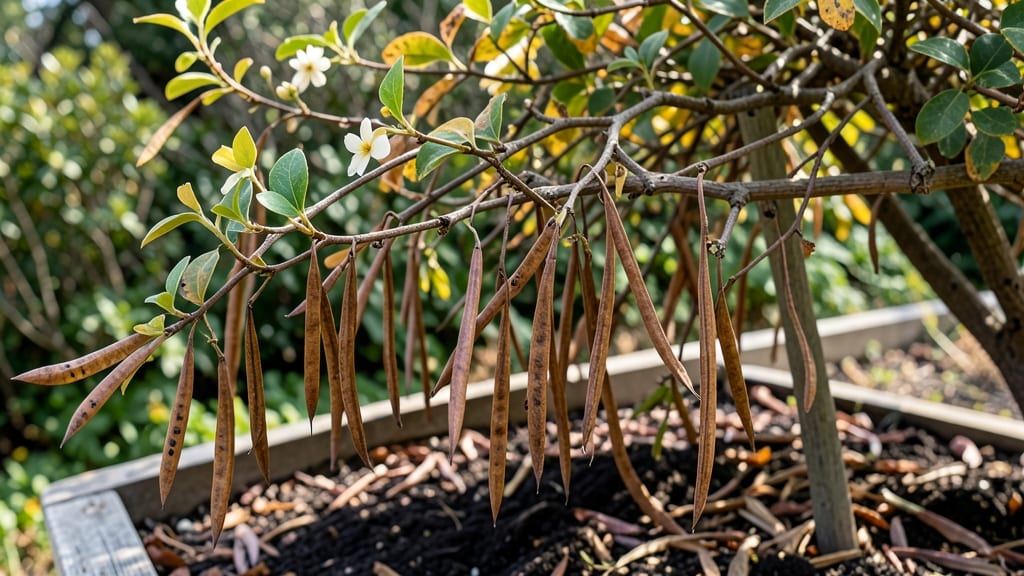
Harvesting jasmine seed pods in late summer turns last year’s blooms into next year’s fragrant garden stars. ✨ The key is timing—wait until the pods turn brown and papery, then gently twist them off the vine before they split open on their own.
My star jasmine plants now produce twice as many blooms because I’ve mastered this simple storage trick.
Once you’ve collected the pods, spread them on a mesh screen or paper towels in a dry, shady spot for 2-3 weeks. This lets the seeds fully mature while preventing mold.
Store them in a sealed envelope with a moisture absorber (like silica gel packets) until planting season—6-8 months later. The seeds stay viable for up to a year if kept cool and dry.
When spring arrives, soak the seeds overnight to soften their tough outer coating, then plant them ¼ inch deep in well-draining soil. Star jasmine thrives in partial shade, while Confederate jasmine handles full sun—just mimic their natural growing conditions.
Within 4-6 weeks, you’ll spot tiny seedlings ready to take root.
Pro tip: Mix a pinch of cinnamon into the soil at planting time—it naturally prevents fungal rot, especially in humid climates. Patience pays off: jasmine grows slowly at first but rewards you with years of fragrant blooms once established.
The first whiff of those flowers in spring makes every step worth it.
📚 In This Guide
- What you need
- Instructions
- Tips and common mistakes
- Wrapping up and next steps
What you need
- ● Fresh jasmine seed pods: Harvest at least 50-100 pods (more if you’re aiming for a larger batch) from healthy, mature plants. Choose pods that are fully developed but not yet split open.
- ● Brown paper bags: 2-3 medium-sized bags (10x12 inches) for airflow and drying.
- ● Newspaper or parchment paper: Enough to line a flat surface (like a baking sheet or tray).
- ● Scissors or pruning shears: For gently snipping stems if needed.
- ● Small, breathable containers: Airtight jars (quart-sized) or resealable plastic bags with a paper towel inside to absorb moisture.
- ● Labeling supplies: Masking tape + marker (to label containers with the date and plant variety).
- ● Patience! 🌱 Drying takes 2-4 weeks, so plan ahead.
- ● Desiccant packets: Place 1-2 in storage containers to prevent moisture buildup.
- ● Fine-mesh sieve: For sifting out debris before storage.
- ● Humidity monitor: If storing in a damp climate, keep humidity below 30% for longevity.
- ● Gloves: If you’re sensitive to plant sap or handling large quantities.
Instructions for harvesting, drying, and storing jasmine seed pods
Turn this year’s jasmine blooms into next year’s fragrant plants with just a few simple steps.
🌿 Step 1: Harvest Mature Seed Pods at the Right Time
Wait until the jasmine flowers have fully bloomed and the petals begin to wilt—this signals the seed pods are forming. The pods will start as small, green bulges behind the flowers and gradually turn brown as they mature. Harvest them when they’re fully brown but still slightly firm to the touch, usually 4-6 weeks after flowering.
Gently twist the pods off the stem or use clean pruning shears to snip them. Avoid pulling too hard, which can damage the plant. I like to harvest on a dry morning when the pods are crisp—this helps prevent mold later. Place them in a paper bag or breathable mesh bag to keep them dry until you process them.
💧 Step 2: Dry the Seed Pods Thoroughly
Spread the harvested pods in a single layer on a clean, dry surface like a wire rack or a sheet of newspaper. Choose a warm, dry location with good air circulation—think 70-75°F and low humidity. Avoid direct sunlight, which can overheat and crack the pods.
Turn the pods every 2-3 days to ensure even drying. They’re ready when they feel light and brittle, and the outer shell opens slightly when pressed. This usually takes 2-4 weeks, depending on your climate. If you live in a damp area, drying may take longer—patience is key here.
⏰ Step 3: Extract and Clean the Seeds
Once fully dry, gently crush the pods between your fingers or tap them lightly with a hammer to release the seeds. Avoid pulverizing them—just enough to pop them open. You’ll see small, flat, brown seeds inside. Spread them on a clean surface and use a fine-mesh sieve or your fingers to remove any chaff or debris.
Store the clean seeds in a small envelope or airtight container. Label it with the date and jasmine variety, if known. Seeds stay viable for 1-2 years if stored properly in a cool, dark place. I keep mine in the fridge to extend their shelf life even longer.
🌱 Step 4: Store for Next Year’s Planting
Place the sealed container of seeds in a cool, dry spot—a pantry or refrigerator works well. Check them occasionally for signs of moisture or pests. If you notice any dampness, transfer them to a new container with a desiccant packet to absorb excess humidity.
When you’re ready to plant, soak the seeds in lukewarm water for 12 hours to soften the outer coating and encourage faster germination. This step is especially helpful if your seeds are older. Plant them in well-draining soil and keep them moist until sprouts appear, which typically takes 2-4 weeks.
Tips & tricks for perfectly preserved jasmine seed pods
Here's what nobody tells you about making sure your jasmine seeds stay viable and ready for next season.
Timing is Everything: Those 4-6 weeks after flowering are critical—harvest too early and the pods won't be fully developed, too late and they'll shatter when you try to handle them. I've learned the hard way that checking pods every few days in late summer helps catch that perfect window when they're brown but still firm. A gentle squeeze should feel like a ripe avocado, not a dried apple.
The Drying Secret: The 70-75°F temperature range in Step 2 isn't just about warmth—it's about creating the ideal humidity balance. If your home runs cooler, consider using a small space heater near the drying area (but keep it away from the pods). Too much heat can crack them, while too little humidity can prevent proper drying. I use a small fan on low to maintain circulation without disturbing the pods.
Seed Extraction Hack: When crushing the pods in Step 3, place a clean kitchen towel underneath your work surface—those tiny seeds will fly everywhere! I find using the flat side of a wooden spoon works better than fingers for controlled tapping. The goal is to release seeds without crushing them, so think "gentle persuasion" rather than "forceful extraction."
Storage Wisdom: That 1-2 year viability window expands dramatically when you store seeds in the fridge. I've had jasmine seeds germinate successfully after 3 years of refrigerated storage. The key is maintaining consistent cool temperatures—don't move them between fridge and pantry. For extra protection, place a small silica gel packet in the container to absorb any moisture that might develop over time.
Pro Tips for Jasmine Seed Pods
- Here's what nobody tells you about making sure your jasmine seeds stay viable and ready for next season.
- Timing is Everything: Those 4-6 weeks after flowering are critical—harvest too early and the pods won't be fully developed, too late and they'll shatter when you try to handle them.
- The Drying Secret: The 70-75°F temperature range in Step 2 isn't just about warmth—it's about creating the ideal humidity balance.
Frequently asked questions
Got questions about harvesting, drying, or storing jasmine seed pods? You’re not alone! Here are some of the most common inquiries—and their answers—to help you preserve those fragrant blooms for next season.
When is the best time to harvest jasmine seed pods?
Harvest jasmine seed pods when they turn brown and begin to split open naturally—usually late summer to early fall. Avoid harvesting too early (green pods won’t dry properly) or too late (seeds may scatter or sprout prematurely). Aim for dry, crisp pods for best results!
How long does it take to dry jasmine seed pods?
Drying time varies, but with proper airflow (like a well-ventilated room or dehydrator at 95°F), pods typically dry in 1–3 weeks. Check daily—pods are ready when they’re lightweight, brittle, and rattle when shaken. Patience pays off for seed viability!
What’s the best way to store dried jasmine seed pods?
Store pods in a cool, dark, and dry place (like a paper envelope or glass jar with silica gel) to prevent moisture or mold. Label them with the harvest year—viability lasts 1–2 years if stored properly. Pro tip: Add a drop of neem oil to deter pests!
Can I use jasmine seed pods for anything other than planting?
Beyond propagation, dried pods make natural potpourri, fragrant sachets, or even DIY air fresheners. Crush them lightly for a subtle jasmine scent in drawers or craft projects. Just avoid inhaling powdered seeds—opt for whole pods for safety!
What if my jasmine seed pods mold or attract pests?
Mold or pests? Act fast! Discard any damp, fuzzy, or bug-infested pods immediately. To prevent issues, avoid humidity, store in airtight containers, and consider freezing pods for 24 hours before storage to kill pests. When in doubt, start fresh with new harvests!
Wrapping up and next steps
Jasmine seed pods are a fragrant treasure—harvesting, drying, and storing them ensures you’ll enjoy their sweet blooms year after year! With the right tools and a little patience, you can preserve these delicate pods effortlessly. Now’s the perfect time to put your new skills to work! 🌸
Ready to transform your garden into a sensory paradise? Start by gathering your pods today, and soon you’ll be sharing your blooming success with neighbors (and maybe even a few jealous green thumbs!).
- Pro Tip: Label your storage containers so you never mix up your jasmine seeds!
- Next Step: Plant a few pods this fall and watch your garden bloom with double the fragrance next spring! 🌱