
Lawn
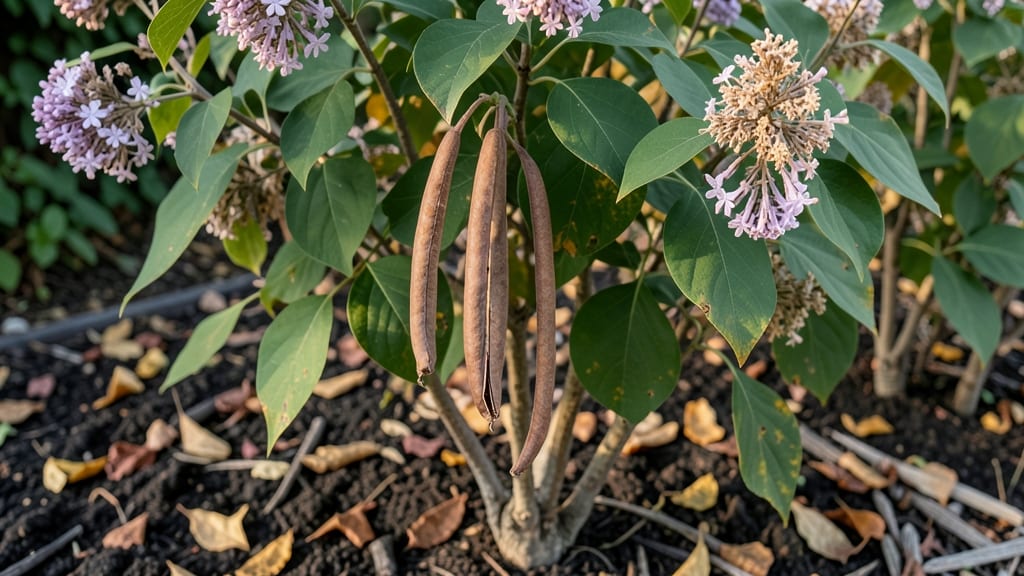
Those woody lilac bush seed pods hold the promise of next year’s fragrant blooms—if you know how to handle them right. 🌿 After my first attempt at saving seeds ended in moldy messes, I finally cracked the system: timing, drying, and storage make all the difference between viable seeds and wasted effort.
The key is patience—lilac seeds need a 6-8 month cold period to break dormancy, mimicking winter’s natural cycle. Start by collecting mature pods in late summer, then dry them completely before storing in a cool, dark place.
Most gardeners skip this step and wonder why germination fails—don’t be one of them.
When spring arrives, you’ll sow those seeds in well-draining soil and watch for tiny sprouts in 4-6 weeks. The seedlings won’t look like their parent plants at first—they’ll be leggy and wild—but with proper pruning, they’ll develop the classic lilac shape over time.
Here’s the catch: lilacs grown from seed rarely match the parent’s color or fragrance. If you love your bush’s specific blooms, propagation by cuttings is the way to go. But for the adventure of it, seed-growing is rewarding—and free!
📚 In This Guide
- What you need
- Instructions
- Tips and common mistakes
- Wrapping up and next steps
What you need
- ● Fresh lilac seed pods: Harvest when they’re brown, dry, and slightly papery (usually late summer to early fall). Aim for at least 10-15 pods for a good stash.
- ● Newspaper or paper towels: 2-3 sheets to line your drying surface (avoid plastic—it traps moisture!).
- ● Cardboard boxes or brown paper bags: 1-2 medium-sized containers with ventilation holes (e.g., punch small slits in the sides).
- ● Scissors or pruning shears: For cleanly snipping stems (sterilize with rubbing alcohol first!).
- ● Labeling tags & permanent marker: To mark pods with the harvest date and variety (e.g., "French Lilac – 2024").
- ○ Small mesh bags or organza envelopes (optional but helpful): For individual pod storage to prevent crushing.
- ● Dry, well-ventilated space: A cool, dark area (60–70°F) with low humidity (e.g., basement, closet, or garage). Avoid direct sunlight or damp spots!
- ● Time: Allow pods to dry for 2–4 weeks, flipping them weekly for even drying.
How to harvest, dry, and store lilac seed pods for future planting
Here's my foolproof method for preserving those fragrant seed pods until next spring's planting.
🌿 Step 1: Collect Mature Seed Pods at Peak Ripeness
Wait until late summer or early fall when the pods turn from green to brown and papery—this signals full maturity. I harvest on a dry day when the pods are completely dry to the touch. Use clean pruning shears to snip the stems with 2-3 inches of stem attached, which helps preserve seed viability during storage.
Don't rush—immature pods won't store properly, and overripe ones may split open prematurely. The ideal pods feel crisp and hollow when tapped gently. Collect pods from multiple branches to ensure genetic diversity for stronger future plants.
🌱 Step 2: Clean and Prepare Pods for Drying
Spread the collected pods on a clean, dry surface like a mesh screen or paper towels. Remove any debris or damaged pods immediately—they can attract pests or mold during drying. I like to place a sheet of newspaper underneath to catch any loose seeds that might fall out as the pods dry.
Leave the pods in a well-ventilated, dry location with indirect sunlight for about 2-3 weeks. A covered porch or a sunny windowsill works perfectly. The goal is to dry them completely so the seeds inside remain viable for planting. You'll know they're ready when they rattle when shaken—this means the seeds have fully matured.
⏰ Step 3: Extract and Store Seeds Properly
Once the pods are completely dry, gently crush them with your fingers or a small hammer to release the seeds. I place the pods in a paper bag and tap it lightly to avoid scattering seeds. Remove any remaining pod fragments or chaff—clean seeds store better and germinate more reliably.
Store the seeds in an airtight container like a small glass jar or resealable plastic bag. Add a desiccant packet to absorb any moisture and label the container with the date and variety if known. Keep the container in a cool, dark place like a pantry or refrigerator. Lilac seeds remain viable for 1-2 years when stored properly, so you'll have plenty for next spring's planting.
☀️ Step 4: Prepare Seeds for Spring Planting
In early spring, remove the seeds from storage and let them sit at room temperature for 24 hours to acclimate. Lilac seeds benefit from stratification, a cold treatment that mimics winter conditions. Place the seeds in a ziplock bag with a moist paper towel, seal it, and refrigerate for 4-6 weeks. This process breaks seed dormancy and encourages stronger germination.
After stratification, sow the seeds ¼ inch deep in a well-draining seed-starting mix and keep the soil consistently moist until germination, which typically occurs in 4-6 weeks. Provide bright, indirect light during this period to prevent leggy seedlings. Once the seedlings develop true leaves, they're ready to transplant outdoors after the last frost date.
Tips & tricks for perfectly preserved lilac seed pods
These little-known strategies will help you maximize seed viability and avoid common pitfalls when working with delicate lilac seed pods.
Timing Secret: In Step 1, harvest pods during the first dry morning after dew has evaporated. The morning humidity is lowest, which helps prevent mold during the drying process. I've found that pods collected in the morning maintain their crisp texture better than those harvested later in the day when temperatures rise.
Drying Strategy: For Step 2's 2-3 week drying period, place a small fan nearby to create gentle airflow around the pods. This speeds up drying without creating drafts that could scatter seeds. You'll know they're ready when they rattle like maracas—this sound confirms the seeds are fully matured and ready for extraction.
Storage Wisdom: When storing seeds in Step 3, I recommend using glass jars with airtight lids rather than plastic bags. Glass provides better moisture protection over the long term, and the seeds stay viable for that full 1-2 year window. Add a small piece of chalk inside the jar as a natural desiccant if you don't have packets available.
Stratification Tip: For Step 4's cold treatment, place the sealed bag with moist paper towel in the crisper drawer of your refrigerator rather than the main compartment. The crisper maintains more consistent 35-40°F temperatures, which is ideal for breaking dormancy. Check the towel weekly—it should stay moist but not soggy during the 4-6 week period.
Pro Tips for Lilac Bush Seed Pods
- These little-known strategies will help you maximize seed viability and avoid common pitfalls when working with delic...
- Timing Secret: In Step 1, harvest pods during the first dry morning after dew has evaporated. The morning humidity is...
- Drying Strategy: For Step 2's 2-3 week drying period, place a small fan nearby to create gentle airflow around the po...
Frequently asked questions
Got questions about harvesting and storing lilac seed pods? You’re not alone! Here are some of the most common queries—plus quick, practical answers to keep your lilacs thriving for years to come.
When is the best time to collect lilac seed pods?
Harvest seed pods in late summer to early fall (August–September), once they’ve turned brown and dried but before they split open. Wait too long, and the seeds will scatter naturally—or get eaten by birds! Aim for pods that feel crispy to the touch but still hold their shape.
How do I know if the seed pods are fully dry?
Gently squeeze a pod—if it crinkles like tissue paper and the seeds rattle inside, they’re ready. Pro tip: Split one open to check for plump, dark seeds (avoid shriveled or moldy ones!). Store pods in a paper bag for 1–2 weeks to finish drying if needed.
Can I store seed pods in plastic bags?
No!
Plastic traps moisture, causing mold or rotting. Instead, use breathable containers like:
- Brown paper bags
- Envelopes
- Cardboard boxes
What if my seed pods split before I can collect them?
Don’t stress! Scatter the seeds immediately in a shady, moist spot in your garden. Lilac seeds germinate best in fall (nature’s way of timing it right!). If you miss the window, store the seeds in the fridge for up to 3 months in a damp paper towel to preserve viability.
How long can I store lilac seed pods before planting?
Viability drops after 1–2 years, but pods stored properly can last up to 3 years. Test a few seeds annually by planting them in pots—if they sprout, your stash is still good! Tip: Label your containers with the harvest year to track freshness.
| Quick Fix | Solution |
|---|---|
| Pods moldy or musty | Discard them—mold spreads fast. Harvest fresh pods next year! |
| Seeds won’t sprout | Try stratification: mix seeds with damp sand, freeze for 4 weeks, then plant. |
Wrapping up and next steps
Harvesting and storing lilac bush seed pods is a simple yet rewarding way to ensure next year’s fragrant blooms thrive! 🌸 By following the right steps—like drying, cleaning, and preserving the pods—you’re setting the stage for natural propagation and a beautiful garden.
Whether you’re a seasoned gardener or just starting out, this process connects you to the cycle of growth in a meaningful way.
Ready to take the next step? Plant your stored seeds in early spring for the best results, and watch your lilac bushes flourish with minimal effort. Happy gardening!