
Lawn
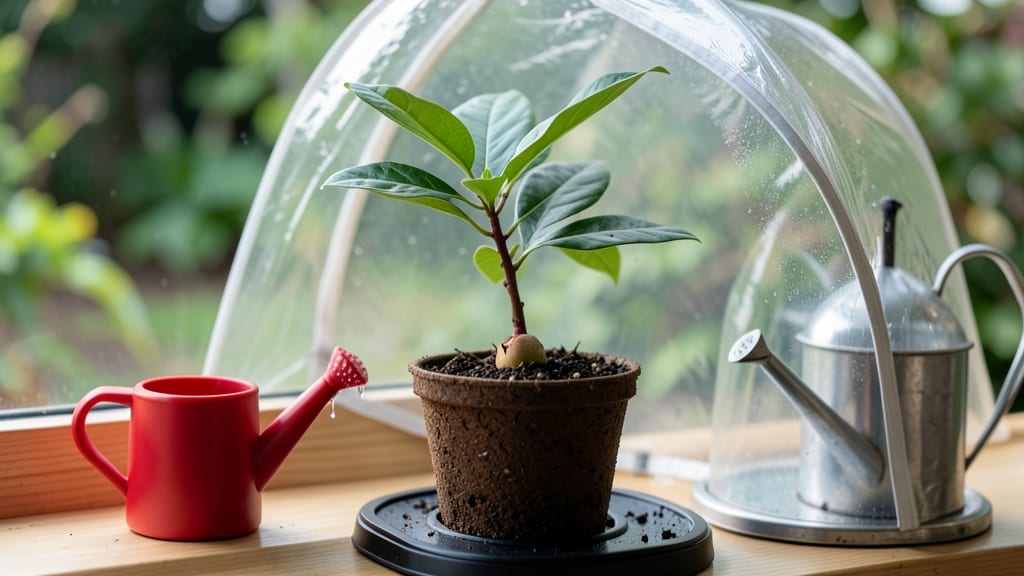
Growing a mango tree from seed in NYC might seem impossible, but I’ve done it—and so can you. 🌱 The key is starting indoors where warmth and humidity speed up germination, giving you a head start before summer arrives.
Most people quit after waiting weeks for a sprout, but with the right setup, you’ll see those first leaves in 30 days or less.
Here’s the secret: mango seeds need warmth (70-80°F) and moisture to wake up, which NYC’s unpredictable spring can’t always provide. I use a heat mat and plastic wrap to create a mini greenhouse, keeping the seed consistently damp without drowning it.
Once the sprout reaches 4-6 inches, it’s ready to move into a pot with well-draining soil—perfect for a sunny balcony or windowsill.
By summer, your seedling will be strong enough to handle outdoor conditions, though it’ll need protection from winter’s chill. Even in Zone 7a, mango trees can thrive as container plants, brought inside before temperatures drop below 40°F. The real reward?
Watching your tiny sapling grow into a tree that could—with patience—produce fruit one day.
This isn’t just about growing a plant; it’s about defying expectations. NYC’s urban jungle can nurture tropical dreams too. Just be ready to troubleshoot slow growth, pests, and seasonal shifts—it’s part of the adventure. Let’s get that seed sprouting!
📚 In This Guide
- What you need
- Instructions
- Tips and common mistakes
- Wrapping up and next steps
What you need
- ● Mango seed: 1 fresh, plump seed (preferably from a ripe, organic mango—ask your local NYC market or grocery store like Trader Joe’s or Whole Foods for help!)
- ○ Small pot or container: 1 (4–6 inches deep) with drainage holes. Optional: A biodegradable seedling pot for transplanting later.
- ● Well-draining potting mix: 1 bag (look for a mix labeled "seed starting" or "cactus/succulent" blend—NYC garden centers like The Garden or Home Depot carry these).
- ● Spray bottle: 1 (for gentle watering—avoid over-saturating the seed!).
- ● Plastic wrap or clear lid: 1 (to create a mini greenhouse effect).
- ○ Heat mat (optional but helpful): 1 (70–80°F range) to speed up germination. Pro tip: A sunny windowsill works too!
- ● Light source: Grow light or sunny windowsill (south-facing is ideal in NYC).
- ● Fertilizer: 1 small bottle of balanced liquid fertilizer (5-5-5 or 10-10-10, diluted to half-strength) for later stages.
- ● Space: A balcony, windowsill, or indoor spot with at least 4–6 hours of sunlight daily (NYC’s summer sun is your best friend!).
- ● Patience: Germination can take 2–4 weeks—stay consistent!
- ● NYC-friendly tip: Check your building’s rules if growing outdoors—some co-ops require approval for containers.
- ● 🌡️ Temperature: Keep soil warm (70–90°F) for faster sprouting—place the pot near a heater or sunny spot.
- ● ✨ Humidity hack: Mist the soil daily and cover with plastic wrap until germination (but remove it once sprouts appear!).
- ● 📊 Container size: Start small, but plan to upgrade to a 1-gallon pot within 3 months if your seedling thrives!
Step-by-step instructions for growing mango seeds in NYC
Here’s how to coax a mango tree from a seed in your urban space—no green thumb required.
🌱 Step 1: Prepare the Seed for Faster Germination
Start by soaking your mango pit in warm water for 3-5 days, changing the water daily. This softens the hard outer shell and speeds up germination. Place the pit in a small container—it’ll float, so keep it submerged. You’ll notice tiny cracks forming after 2-3 days, signaling the seed is waking up.
Once the pit shows signs of sprouting, remove it and plant it 1 inch deep in a small pot filled with moist seed-starting mix. Press the soil gently around the pit, but don’t pack it down. The goal is to keep the soil damp but not soggy—mango seeds rot if they’re too wet. Place the pot in a warm spot, like on top of your fridge or near a sunny window.
💧 Step 2: Create a Humid, Warm Environment
Cover the pot with a clear plastic bag or humidity dome to trap warmth and moisture—mango seeds thrive in 75-85°F conditions. Check the soil daily and mist it lightly if the surface feels dry. You should see the first sprout emerge within 10-20 days, though it can take up to 30 days in cooler NYC apartments.
Once the sprout reaches 2-3 inches tall, remove the plastic cover to prevent mold. Keep the pot in bright, indirect light—direct sun can scorch the delicate young leaves. If your balcony gets afternoon sun, move the pot to a shaded spot until the seedling is stronger.
☀️ Step 3: Transition to Stronger Light Gradually
After the seedling develops its first true leaves (not the initial seed leaves), it’s ready for more light. Place it near a south-facing window or under a grow light for 12-14 hours daily. You’ll know it’s getting enough light when the leaves are dark green and the stem stays sturdy—no leggy stretching.
Rotate the pot a quarter turn weekly so the seedling grows straight, not leaning toward the light. If you notice the leaves yellowing or the stem bending, it’s a sign the light isn’t strong enough. NYC’s winter light can be tricky, so supplement with a grow light if needed.
🪴 Step 4: Repot When Roots Outgrow the Container
Mango seedlings grow surprisingly fast—watch for roots circling the bottom of the pot or poking out of drainage holes. When this happens, it’s time to upgrade to a 5-inch pot with fresh well-draining potting mix. Gently loosen the roots before transferring to avoid damaging them.
After repotting, water lightly and place the seedling back in bright light. Avoid fertilizing for 4-6 weeks—young seedlings are sensitive to nutrients and can burn if overfed. Instead, focus on keeping the soil consistently moist but never waterlogged.
Tips & tricks for perfect urban mango seed sprouting
Here's what I learned after watching my first mango seedling burst through the soil in a Brooklyn apartment—these tricks make all the difference in NYC's tricky growing conditions.
Soaking Secret: The 3-5 day soak is your best friend, but don't skip changing that water daily! I learned the hard way that stagnant water breeds mold—after my second failed attempt, I started using fresh warm water every 24 hours. You'll know it's working when you see those first cracks after just 2-3 days. Pro tip: Use filtered water if yours has chlorine, as it can inhibit germination.
Warmth Hack: NYC apartments can be chilly, especially in winter. If your seedling isn't sprouting within 20 days, it might need a warmer spot. I placed mine on top of my fridge (around 85°F) and saw sprouts appear in just 14 days. A heat mat set to low works too—just don't let the soil get hotter than 85°F, or you'll cook the seed.
Light Transition: That 12-14 hours of light is non-negotiable, but how you deliver it matters. I made the mistake of moving my seedling straight to full sun after the first true leaves appeared—it got scorched. Instead, start with bright indirect light and gradually increase exposure. For winter growing, a simple LED grow light on a timer solves NYC's weak sunlight problem beautifully.
Pro Tips for Mango Seed Nyc
- Here's what I learned after watching my first mango seedling burst through the soil in a Brooklyn apartment—these tri...
- Soaking Secret: The 3-5 day soak is your best friend, but don't skip changing that water daily! I learned the hard wa...
- Warmth Hack: NYC apartments can be chilly, especially in winter. If your seedling isn't sprouting within 20 days, it ...
Frequently asked questions
Got questions about sprouting mango seeds in NYC? You’re not alone! Here are the answers to common queries to help you grow a thriving plant on your balcony—even in the city.
How long does it take for a mango seed to sprout in NYC’s climate?
A mango seed typically sprouts within 2–4 weeks when kept warm (70–85°F) and moist. NYC’s summers (June–August) are ideal, but if planting in cooler months, use a seedling heat mat or a sunny windowsill. Patience is key—some seeds take up to 6 weeks!
Can I grow a mango tree from a seed in NYC’s urban environment?
Yes! Mango trees thrive in containers (5+ gallon pots) and tolerate NYC’s summers, but they’re sensitive to frost (<32°F). Over winter, move your pot indoors near a bright window or use a grow light. With proper care, your seedling could grow into a small tree—though fruiting takes 3–5 years!
What’s the fastest way to speed up germination?
Soak the seed in warm water for 24 hours before planting to soften the shell. Use a paper towel method (wrap the seed in a damp towel in a sealed bag) to encourage faster sprouting in 7–14 days. Keep it in a warm, dark place (like a cupboard) until a sprout appears!
What if my mango seed won’t sprout? Troubleshooting tips.
If your seed isn’t sprouting after 4+ weeks, try these fixes:
- Check moisture: Keep soil consistently damp (not soggy).
- Test warmth: Seeds need consistent heat—try a seedling heat mat or place near a sunny window.
- Inspect the seed: If it’s moldy or rotting, it may be bad. Try another seed!
- Patience: Some seeds take longer—don’t give up after 2 weeks!
Can I eat the mango grown from a seed?
While your seedling can produce fruit, it’s unlikely to taste like store-bought mangoes! Seed-grown trees often have smaller, less sweet fruit due to genetic variability. For reliable fruit, consider grafting—but that’s an advanced step. Enjoy your tree as a decorative or shade plant first!
Wrapping up and next steps
Growing a mango from seed in your NYC balcony is a rewarding journey that blends patience with the joy of nurturing life in an urban jungle! 🌱 With the right tools, a little care, and a dash of creativity, you’ve got everything you need to watch your tiny seed transform into a thriving plant—even if it takes years to bear fruit. Don’t let the wait dim your excitement: celebrate each milestone, from that first sprout to the lush green leaves!
Ready to take the next step? Share your progress with fellow NYC plant lovers on social media using #MangoSeedNYC, or dive deeper into tropical plant care by exploring local urban gardening workshops. Your green thumb is growing—keep it up! 🌿