
Lawn
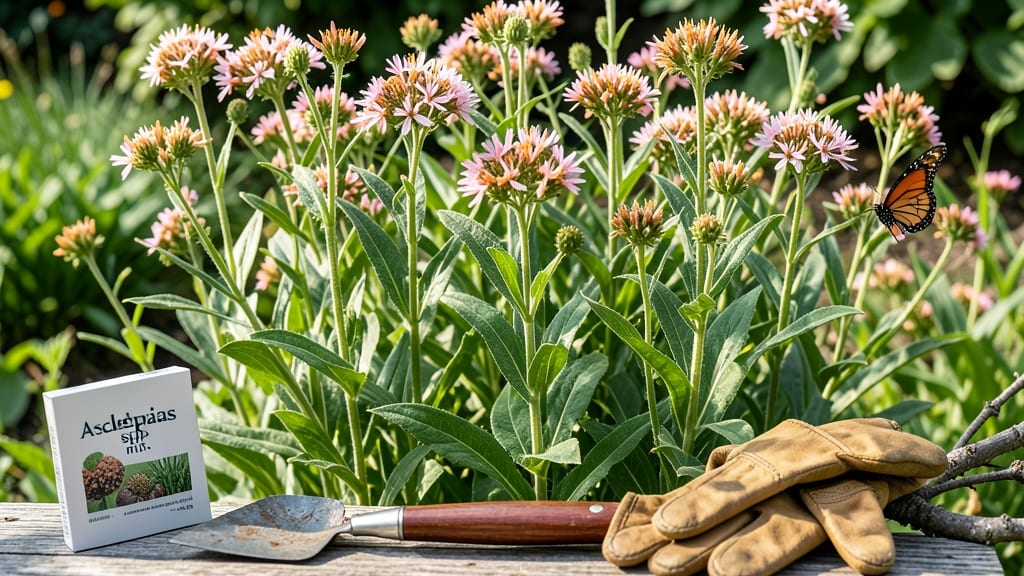
Your monarch seed mix could be the start of a butterfly bonanza this summer. 🌿 These pollinator-powered blends pack milkweed—the only host plant monarch caterpillars will eat—alongside nectar-rich flowers that keep adult butterflies visiting all season long.
I planted mine last spring and watched the transformation from bare soil to a fluttering oasis by July.
Start with well-draining soil and full sun—monarchs demand both. Mix in compost to give roots a nutrient boost, then scatter seeds thinly (they germinate best when not crowded). Water gently but consistently for the first 4-6 weeks, keeping the soil moist but never soggy.
The key is patience: milkweed grows slowly at first, but once established, it spreads like a magnet for monarchs.
By midsummer, you'll see the payoff: caterpillars munching on fresh milkweed leaves and adults sipping nectar from blooms. The garden becomes a stopover for migrating butterflies, and your neighbors will ask how you did it. Just avoid pesticides—chemicals kill both caterpillars and adults—and you're golden.
This mix thrives in borders, meadows, or even containers. For extra impact, pair it with coneflowers, bee balm, or goldenrod—they create a full-season buffet. The best part? Every seed you plant helps restore monarch populations. Let's get those wings fluttering in your yard!
📚 In This Guide
- What you need
- Instructions
- Tips and common mistakes
- Wrapping up and next steps
What you need
- ● Monarch-friendly seeds: 1 lb (or 16 oz) of a pre-mixed monarch seed blend (look for native milkweed varieties like Asclepias tuberosa or Asclepias syriaca, plus nectar plants such as Liatris spicata, Echinacea purpurea, or Rudbeckia hirta). Pro tip: Check seed packets for organic, non-GMO labels!
- ○ Native wildflower seeds: 8 oz (optional but recommended) to boost biodiversity. Mix in 2 oz of bee balm (Monarda), coneflower (Echinacea), or black-eyed Susan (Rudbeckia).
- ● Compost or organic fertilizer: 1 cup of balanced, slow-release fertilizer (5-5-5 or 10-10-10 NPK ratio) or compost to enrich soil.
- ● Garden gloves (1 pair) – To protect your hands from prickly seeds and soil.
- ● Hand trowel or transplanting tool – For digging small holes (3–4 inches deep).
- ● Garden rake – To loosen soil and create a fine seedbed.
- ● Watering can or hose with a gentle spray nozzle – Essential for consistent moisture without washing seeds away.
- ○ Row marker or stakes (optional) – If planting in rows, use small flags or sticks to label sections.
- ● Mulch (straw or shredded leaves) – 1–2 inches to retain moisture and suppress weeds.
- ● Sunlight: A full-sun spot (6+ hours of direct sunlight daily). Monarchs and pollinators love warmth!
- ● Well-draining soil: Test your soil’s pH (ideal: 6.0–7.5). Amend with compost if needed.
- ● Water source: Ensure easy access for regular watering (monarch seeds need consistent moisture to germinate).
- ● Patience: Germination can take 10–30 days depending on the seed type and weather.
Step-by-Step guide to planting a monarch-friendly seed mix
Here's how to create a thriving pollinator haven using a strategic blend of native flowers.
🌱 Step 1: Prepare Your Planting Site
Choose a location with full sun exposure (6+ hours daily) and well-draining soil. Monarchs favor open, sunny areas where they can spot flowers easily from a distance. I always test soil pH first—monarch-friendly plants thrive in 6.0-7.0 range. If your soil is heavy clay, amend it with 2-3 inches of compost and mix thoroughly.
Remove any existing weeds or grass, then loosen the top 6 inches of soil with a garden fork. This creates ideal conditions for seed germination and root development. For container gardening, use a lightweight potting mix designed for annuals and perennials.
🌿 Step 2: Sow Seeds at Proper Depths
Scatter seeds evenly across your prepared area, following each variety's recommended spacing. Most monarch-friendly flowers should be sown ¼ to ½ inch deep—deeper planting delays germination. I like to use a seed spreader for larger areas to ensure even distribution without overcrowding.
Lightly cover seeds with soil, then gently press them in with your hand or a small board. This ensures good seed-to-soil contact while preventing burial too deep. Water immediately after sowing, using a fine mist setting on your hose to avoid displacing seeds.
☀️ Step 3: Maintain Ideal Growing Conditions
Keep the soil consistently moist but never soggy during germination—aim for 1 inch of water per week. You'll know moisture is right when the top inch feels damp to touch but not waterlogged. Once seedlings emerge, reduce watering slightly to prevent fungal diseases that thrive in overly wet conditions.
Thin seedlings to 12-18 inches apart when they reach 2-3 inches tall, using sharp scissors to avoid disturbing roots. This spacing gives plants room to grow strong and produces more flowers for pollinators. Watch for leggy growth—if stems stretch toward light, your seedlings need more sunlight.
✂️ Step 4: Encourage Continuous Blooming
Deadhead spent flowers regularly to stimulate new blooms throughout the season. I remove faded blooms every 7-10 days during peak flowering periods. This simple task extends your garden's pollinator appeal and prevents self-seeding where you don't want it.
Apply a balanced organic fertilizer (10-10-10) when plants reach 6 inches tall, following package rates. Too much fertilizer produces lush foliage at the expense of flowers—monarchs need those blooms! Water at the base rather than overhead to keep foliage dry and reduce disease risk.
🪴 Step 5: Create a Year-Round Habitat
Plant in stages throughout spring and summer to ensure continuous nectar sources. Include both annuals (for immediate color) and perennials (for long-term support). I always add a few milkweed plants—the monarch caterpillar's sole food source—even if it means dedicating a small corner of the garden.
Leave some seed heads standing over winter to provide food for birds and shelter for beneficial insects. The natural seed dispersal also helps establish new plants. In colder climates, mulch perennials with 2-3 inches of straw to protect roots during winter dormancy.
Tips & tricks for perfect monarch-friendly plantings
Creating an effective monarch habitat takes thoughtful planning—these insights will help you maximize your garden's potential for these iconic pollinators.
Soil Preparation Secret: Before amending heavy clay soil with compost, I recommend adding a handful of gypsum to the 2-3 inches of compost. This helps break up clay particles while improving drainage—a critical factor for monarch larvae that prefer well-drained environments. Test your soil's moisture retention after amending: press your finger into the soil—it should hold shape but crumble easily when poked.
Seed Spacing Strategy: When using a seed spreader in Step 2, I suggest dividing your planting area into quadrants and working systematically. This prevents overlaps and ensures even distribution of your monarch-friendly varieties. For container gardening, use a toothpick to create small planting holes—this gives you better control over the ¼ to ½ inch depth requirement without compacting the lightweight potting mix.
Watering Wisdom: The 1 inch of water per week guideline works best when applied consistently. I've found that morning watering (between 6-9am) reduces evaporation and fungal risks. Use a rain gauge to monitor your watering—monarchs are sensitive to both drought and waterlogged conditions, so maintaining that "damp but not soggy" texture is crucial for seedling survival.
Deadheading Timing: The 7-10 day deadheading schedule works beautifully for most annuals, but I've noticed milkweed responds better to a more aggressive approach—remove spent blooms every 5-7 days. This stimulates continuous flowering, which is especially important since milkweed is the monarch caterpillar's sole food source. The key is to remove only the faded blooms while leaving the seed pods for natural dispersal.
Pro Tips for Monarch Seed Mix
- Creating an effective monarch habitat takes thoughtful planning—these insights will help you maximize your garden's p...
- Soil Preparation Secret: Before amending heavy clay soil with compost, I recommend adding a handful of gypsum to the ...
- Seed Spacing Strategy: When using a seed spreader in Step 2, I suggest dividing your planting area into quadrants and...
Frequently asked questions
Got questions about using monarch seed mix to boost your garden?
Here are some of the most common ones—and their answers—to help you get started with confidence!
When is the best time to plant monarch seed mix?
The ideal planting window is early spring (as soon as the soil is workable) or late summer to early fall. Monarchs thrive in warm weather, so avoid planting in frost-prone areas until after the last frost date. For fall planting, aim for 6-8 weeks before your first expected frost to ensure seeds germinate before winter.
How often should I water monarch seed mix after planting?
Keep the soil consistently moist (not soggy!) for the first 2-3 weeks to help seeds germinate. After sprouting, water 1-2 times per week, adjusting for rainfall. Once established, monarchs are drought-tolerant, but deep watering during dry spells keeps them flourishing. Pro tip: Water in the early morning to reduce evaporation and fungal risks.
Can I plant monarch seed mix in containers or small spaces?
Monarch seed mix grows well in containers, window boxes, or small garden beds (as long as they’re at least 6 inches deep). Use well-draining soil and pair it with milkweed (their host plant) for a pollinator-friendly mini-ecosystem. Just ensure containers get 6+ hours of sunlight daily—monarchs love basking!
What should I do if pests or weeds take over my monarch seed mix?
Stay proactive! Hand-pull weeds early to avoid competition, and mulch lightly with straw or shredded leaves to suppress growth. For pests like aphids or spider mites, blast them off with a hose or use neem oil (a natural, bee-safe option). If slugs are a problem, set up beer traps or use copper tape around containers. Prevention is key: healthy, thriving plants deter pests!
Are there alternatives to monarch seed mix for pollinators?
Yes! If you’re looking for variety, try native wildflower mixes (like coneflowers or black-eyed Susans) or pollinator-specific blends that include clover, borage, or sunflowers. For monarchs specifically, milkweed (Asclepias spp.) is a must—it’s their only food source for larvae. Mixing monarch seed with other native flowers creates a diverse, resilient garden that supports all pollinators.
Wrapping up and next steps
Transforming your garden into a buzzing monarch haven is easier—and more rewarding—than you think! With the right monarch seed mix, you’re not just planting flowers; you’re creating a lifeline for these iconic pollinators while boosting your garden’s beauty and biodiversity. 🌸
Ready to take the next step? Start small—even a single patch of milkweed and nectar-rich blooms makes a difference. Order your seeds today, grab your gardening gloves, and let the magic of monarchs unfold in your backyard! 🌱