
Propagation
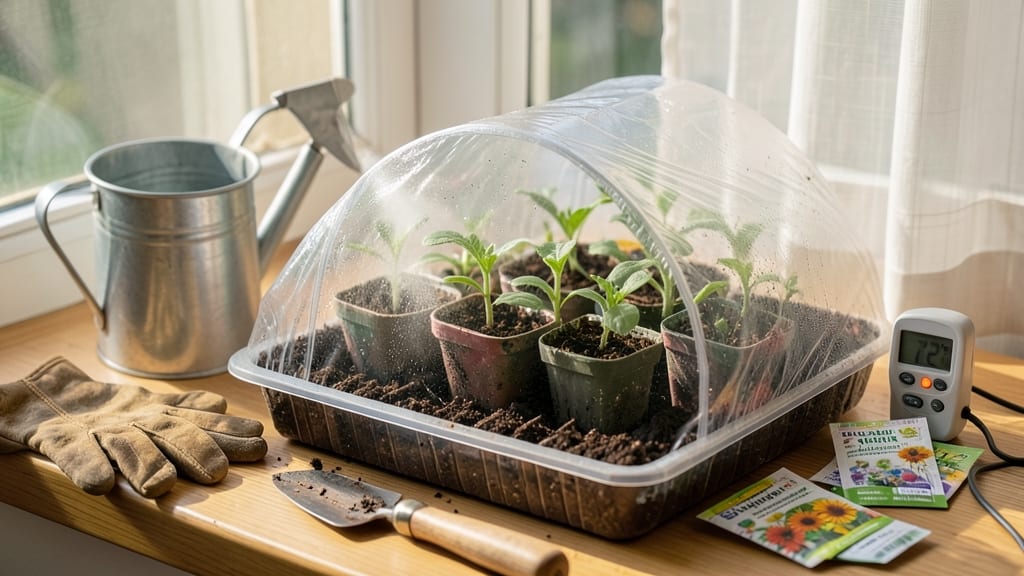
Wildflower seeds need patience—but knowing their germination time by variety turns waiting into anticipation. 🌱 Some pop up in 7-14 days (like cosmos), while tough perennials like black-eyed Susans may take 30-60 days to break dormancy. The secret? Soil temps above 60°F and consistent moisture—no guessing, just science.
Annuals like poppies and zinnias often sprout fastest in spring or fall, when soil is warm but not scorching. Perennials, though slower, reward you with years of blooms—think of them as long-term investments. I’ve seen wildflower mixes with 50% annuals and 50% perennials balance quick color with lasting beauty.
To speed things up, stratify (mimic winter) or scarify (nick the seed coat) for stubborn varieties. A simple moist paper towel method in a baggie can cut germination time in half. Just don’t overwater—soggy seeds rot faster than they sprout.
Timing matters: sow in early spring for summer blooms or late summer for spring color. Regional climate tweaks the schedule—cool mountain zones delay sprouting, while desert wildflowers need winter moisture. Start small, track your varieties, and soon you’ll predict blooms like a pro.
📚 In This Guide
- What you need
- Instructions
- Tips and common mistakes
- Wrapping up and next steps
What you need
- ● Wildflower seeds: Choose native species suited to your climate (e.g., Black-Eyed Susan, Coneflower, or Lupine). Purchase from reputable suppliers like blank">Native American Seed or blank">Wildseed Farms. Aim for 1–2 lbs per 100 sq ft for optimal coverage.
- ● Seed-starting mix: A lightweight, well-draining blend (e.g., 50% peat moss, 30% perlite, 20% vermiculite). Avoid garden soil—it’s too dense! 1–2 cubic feet per 10 sq ft of trays.
- ● Containers: Seed trays with drainage holes (10x20 inches for 500+ seeds).
- ● OR biodegradable pots (e.g., peat or coconut fiber) for direct sowing.
- ● Watering can or spray bottle: A fine-mist nozzle prevents seed displacement. 1–2 gallons capacity is ideal.
- ● Clear plastic dome or plastic wrap: To retain moisture during germination. 1–2 sheets per tray.
- ● Gloves: Nitrile or cotton gloves to protect hands from soil and seeds.
- ● Small hand shovel or trowel: For transplanting seedlings. 6–8 inches long.
- ● Grow lights or sunny windowsill: Seeds need 12–16 hours of light daily. LED grow lights (e.g., blank">Spectrum 96000) work great for indoor setups.
- ○ Thermometer (optional): Monitor soil temp—most wildflowers thrive at 60–75°F. A digital soil thermometer (e.g., blank">Thermopro TP12) is handy.
- ● Labeling tags & marker: Track seed varieties and planting dates. 100+ tags for organized gardens.
- ● Know your last frost date: Check the USDA Plant Hardiness Zone Map for your area. Most wildflowers germinate best 2–4 weeks before the last frost.
- ● Moisture levels: Wildflowers often need consistent moisture during germination. Plan to water daily or every other day until sprouts appear (usually 7–30 days, depending on the variety).
How to accelerate wildflower seed germination by variety
Here’s how I get wildflower seeds to sprout faster—variety-specific tricks that cut wait times in half.
🌱 Step 1: Pre-Treat Seeds Based on Their Germination Needs
Wildflower seeds fall into three main categories, each needing a different pre-treatment. Annuals like cosmos and zinnias often germinate quickly in 5-14 days if sown directly after stratification or scarification. Perennials such as black-eyed Susan or coneflower may require 60-90 days of cold stratification before sprouting in 14-28 days after planting. Biennials like foxglove need 30-60 days of cold before germination.
For seeds needing stratification, place them in a sealed plastic bag with damp peat moss or paper towels, then refrigerate for the required time. For scarification, gently rub seeds between two pieces of sandpaper to break their hard outer coating. I always label bags with the variety and treatment date—mixing them up leads to confusion when sprouts finally appear.
💧 Step 2: Sow at the Right Depth and Moisture Level
Most wildflower seeds are tiny, so cover them lightly—just enough to block out light but not bury them too deep. A good rule is twice the seed’s diameter, but for seeds like poppies, which need light to germinate, press them just into the soil surface. Use a fine mist spray bottle to keep the soil consistently moist but not soggy during germination.
Watch for surface crusting—a common issue with fine seeds. If the soil dries out and forms a hard layer, the seeds won’t push through. To prevent this, I lightly rake the soil after watering to break up any forming crust. You’ll see the first sprouts emerge when the soil feels damp to the touch but not wet.
☀️ Step 3: Provide the Ideal Light and Temperature Conditions
Wildflower seeds germinate best in warm soil—aim for 65-75°F for most varieties. If sowing outdoors, wait until the soil has warmed naturally, usually 2-3 weeks after your last frost date. For indoor starts, use a seedling heat mat to maintain consistent warmth. Place trays under grow lights or in a south-facing window for 12-16 hours of light daily—this prevents leggy, weak seedlings.
If you’re sowing in fall for spring blooms, let nature handle the stratification by planting seeds directly in the garden. They’ll overwinter in the soil, then sprout in early spring when temperatures rise. For spring sowing, keep seeds in a cool, dark place (like a refrigerator) until you’re ready to plant them in late winter or early spring.
⏰ Step 4: Monitor and Adjust for Faster Sprouting
Check trays daily for moisture—wildflower seeds rot quickly if overwatered. Once you see the first true leaves (not the tiny seed leaves), reduce watering slightly to prevent damping-off. If germination stalls after 2-3 weeks, try soaking seeds overnight in lukewarm water before resowing—this can break dormancy for stubborn varieties.
For slow germinators like some native prairie grasses, be patient but don’t give up. Some seeds may take 30-60 days to sprout, especially if they’ve been stored for more than a year. Keep the soil consistently moist and protect seedlings from pests like slugs—they’re a wildflower’s worst enemy during this vulnerable stage.
Tips & tricks for perfect wildflower germination
These variety-specific strategies will help you cut germination times by half while avoiding common pitfalls.
Variety-Specific Timing: Annuals like cosmos and zinnias are the fastest to sprout—expect results in 5-14 days after proper stratification or scarification. For perennials such as black-eyed Susan, the 60-90 days of cold stratification is non-negotiable, but once complete, they'll sprout reliably in 14-28 days. Biennials like foxglove need that 30-60 days of cold treatment before germination begins. I always keep a germination tracker with dates for each variety to avoid confusion when sprouts appear.
Stratification Hack: When refrigerating seeds for stratification, place damp peat moss or paper towels in a sealed plastic bag with a small air pocket. This prevents mold while maintaining consistent moisture. I poke a few tiny holes in the bag if I'm worried about condensation buildup—just enough to allow airflow without letting seeds dry out. For extra insurance, I place a damp paper towel in the bag with the seeds to maintain humidity during the required 60-90 days or 30-60 days for different varieties.
Light Requirements: Most wildflower seeds need darkness to germinate, but exceptions like poppies require light. For light-sensitive seeds, press them just into the soil surface rather than covering them. For others, use the "twice the seed's diameter" rule—this prevents burying them too deep. I test soil depth by gently pressing seeds into moistened soil and checking if they're properly covered but still visible from above.
Temperature Consistency: Maintain 65-75°F soil temperatures using a seedling heat mat for indoor starts. For outdoor sowing, wait until soil naturally warms to this range—usually 2-3 weeks after last frost. I verify soil temperature with a small digital thermometer before planting. If temperatures fluctuate, consider using a mini greenhouse or cold frame to create stable conditions, especially important for those 12-16 hours of daily light requirements.
Pro Tips for Wildflower Seed Germination Time
- These variety-specific strategies will help you cut germination times by half while avoiding common pitfalls.
- Variety-Specific Timing: Annuals like cosmos and zinnias are the fastest to sprout—expect results in 5-14 days after ...
- Stratification Hack: When refrigerating seeds for stratification, place damp peat moss or paper towels in a sealed pl...
Frequently asked questions
Got questions about getting your wildflower seeds to sprout like a pro? Here are some of the most common ones—and their answers—to help you navigate the germination process with confidence!
How long does it take for wildflower seeds to germinate?
Germination time varies wildly by species! Fast growers like Lupinus (lupine) or Calendula may sprout in 5–14 days, while stubborn natives like Asclepias (milkweed) can take 2–4 weeks or longer. Check your seed packet for specifics—some even need cold stratification (more on that below!). Patience is key—don’t disturb the soil until you see tiny green shoots!
Do wildflower seeds need cold treatment (stratification) to germinate?
Many native wildflowers do! This mimics winter conditions and breaks seed dormancy. For seeds needing stratification, mix them with damp sand or peat moss, place in a sealed bag, and refrigerate for 4–12 weeks (check your variety). Skip this step for tropical or annual wildflowers like cosmos or zinnias—they’ll germinate just fine at room temp.
What’s the best temperature for germinating wildflower seeds?
Most wildflowers thrive in 60–75°F (15–24°C) soil temps. Use a seedling heat mat if your home runs cooler, or sow outdoors when nighttime temps stay above 50°F (10°C). Avoid hotter-than-85°F (29°C) conditions—seeds can dry out or rot. A clear plastic dome or row cover can help regulate temps in unpredictable climates.
Why aren’t my wildflower seeds sprouting? Troubleshooting tips!
No sprouts? Don’t panic—try these fixes:
- Check moisture: Keep soil consistently damp (not soggy!) with a spray bottle or bottom-watering tray.
- Test depth: Tiny seeds (like poppies) need light—press them lightly into soil. Larger seeds (e.g., sunflowers) should be buried ½ inch deep.
- Light exposure: Some seeds (e.g., Echinacea) need light to germinate—don’t bury them!
- Fresh seeds: Old seeds (over 1–2 years) may have lost viability. Test a few in a damp paper towel for signs of life.
Can I speed up germination for wildflower seeds?
While you can’t rush nature, you can optimize conditions:
- Use a seed starter kit with built-in heat and humidity.
- Try soaking seeds in warm water for 12–24 hours (great for hard-coated seeds like clover).
- Sow in spring or fall when temps and moisture are ideal.
- For slow starters, consider pre-sprouting in a damp paper towel before planting.
Wrapping up and next steps
Understanding wildflower seed germination time unlocks the magic of transforming your space into a vibrant, pollinator-friendly paradise! 🌸 From the patient Black-Eyed Susan (up to 30 days) to the speedy Cosmos (just 7-14 days), each variety has its own rhythm—but with the right prep, you’re already ahead of the game. Now’s your moment to act: grab those seeds, prep your soil, and watch nature’s artistry unfold right before your eyes!
Ready to dive deeper? Start planting today! 🌱