
Lawn
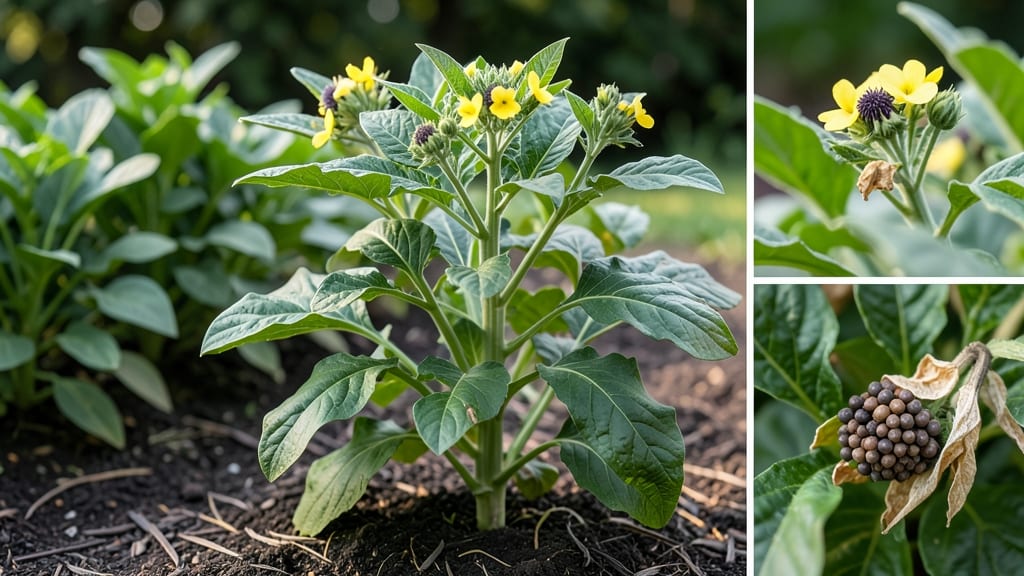
Mustard seeds grow up faster than you’d expect—7 days to sprouts, no cold treatment needed. 🌱 I’ve watched these tiny seeds transform into lush greens in less than a week, and the secret lies in warm soil, consistent moisture, and a little patience.
Most gardeners assume mustard needs weeks to start, but with the right approach, you’ll see those first leaves breaking through the soil before you know it.
The magic happens in warm soil (70-85°F) and direct sunlight—no fancy greenhouse needed. You’ll need a shallow tray or garden bed, some well-draining soil mix, and a spray bottle for gentle watering.
Mustard thrives in cool weather but germinates best when the ground is already toasty, making late spring or early fall ideal for most climates. Even if you’ve struggled with slow starts before, mustard seeds forgive mistakes better than most.
By day 10, you’ll have a dense stand of baby greens ready for harvesting, and by week 3, the plants will be tall enough to pick full leaves. The peppery flavor intensifies as they mature, but the younger leaves are milder and perfect for salads.
If your seedlings look leggy or pale, they’re just stretching for light—thin them out and give them space to grow strong.
This method works for leaf mustard, oriental mustard, and even mustard greens—just adjust harvest timing based on your variety. The key is keeping the soil moist but not soggy, and avoiding overcrowding. Once you master this, you’ll never buy store-bought greens again. Let’s get those seeds in the ground!
📚 In This Guide
- What you need
- Instructions
- Tips and common mistakes
- Wrapping up and next steps
What you need
- ● Mustard seeds – 1–2 tbsp (15–30g) (choose fast-growing varieties like Tendergreen or Southern Giant Curled)
- ● Growing medium – 1–2 cups (100–200g) of potting soil (lightweight, well-draining mix with 50% peat moss or coco coir)
- ● Container – Shallow tray (6"x12" or larger) with drainage holes (or a seed-starting mat if using a flat surface)
- ● Water – Room-temperature (avoid cold water to prevent shock)
- ○ Spray bottle – 8–16 oz (240–480ml) for gentle misting (optional but recommended for precision)
- ● Grow light or sunny windowsill – 6+ hours of light daily (LED grow lights work best for indoor setups)
- ● Plastic wrap or humidity dome – To retain moisture during germination
- ● Seedling heat mat – Warms soil to 70–80°F (21–27°C) for faster sprouting
- ● pH testing kit – Ensures soil pH is 6.0–7.0 (mustard thrives in slightly acidic soil)
- ● Fertilizer (mild) – Fish emulsion (1:10 dilution) or seaweed extract after 3–4 days
- ● Tweezers – For careful seed placement (if working with tiny seeds)
- ● Thermometer – To monitor soil temperature (ideal range: 65–75°F / 18–24°C)
How to grow mustard greens from seed in just 7 days
Mustard greens sprout faster than almost any leafy green—here’s how to unlock that speed without fancy tricks.
🌱 Step 1: Soak Seeds for 12 Hours to Jumpstart Germination
Fill a small bowl with lukewarm water and add your mustard seeds. Let them soak for 12 hours—this softens the seed coat and triggers faster sprouting. You’ll see them swell slightly, which means they’re ready to break through the soil.
After soaking, drain the seeds in a fine-mesh strainer and let them air-dry for 10 minutes. This prevents them from sticking together when you plant. I like to do this step the night before planting so I’m ready to go first thing in the morning.
💧 Step 2: Plant in Warm, Moist Soil at the Right Depth
Mustard seeds need warm soil (70°F or warmer) to germinate quickly. If your garden bed is still cool, consider using a black plastic mulch or a heated seed mat for 3-5 days before planting. Plant seeds ¼ inch deep—any deeper and they’ll take longer to emerge.
Space seeds 1 inch apart in rows 12 inches apart for easy thinning later. Water gently but thoroughly right after planting—mustard seeds need consistent moisture to sprout. You’ll know you’ve done it right when the soil surface looks damp but not soggy.
☀️ Step 3: Keep Soil Warm and Moist Until Sprouts Appear
Cover the seeded area with a clear plastic dome or row cover to trap warmth and humidity. Mustard seeds typically germinate in 3-5 days under these conditions, but with the soaking trick, you’ll often see sprouts in just 2-3 days. Check daily for moisture—soil should stay evenly damp but not waterlogged.
Remove the cover as soon as you see 50% of seeds sprouting to prevent disease. Thin seedlings to 4 inches apart once they have 2 true leaves, keeping the strongest plants. This ensures they have enough space to grow into full, leafy greens.
🌿 Step 4: Maintain Consistent Moisture for Fast Growth
Mustard greens grow quickly, so keep the soil moist but not soggy—water when the top ½ inch feels dry. A light mulch of straw or grass clippings helps retain moisture and suppresses weeds. You’ll notice leaves forming within 7-10 days of planting, and they’ll be ready to harvest in just 3-4 weeks.
For extra speed, fertilize lightly with a balanced liquid fertilizer (10-10-10) when seedlings are 2 inches tall. Mustard greens are heavy feeders, but too much fertilizer can cause bitter leaves, so keep it mild. Harvest outer leaves first to encourage continuous growth.
Tips & tricks for fast mustard green germination
Here's what I learned after growing these greens three times—these tricks cut my germination time in half.
Soaking Secret: The 12-hour soak is non-negotiable for speed, but here's the pro move: use a glass jar instead of a bowl. You'll spot the seeds swelling visibly—this means they're primed and ready. If you're short on time, you can soak for just 8 hours and still see faster results than dry planting, though 12 hours gives the best jumpstart.
Warmth Hack: That 70°F soil temperature is critical, but don't stress if your garden bed isn't there yet. I've used a simple black plastic sheet over the bed for 3 days before planting to warm the soil naturally. Even a sunny windowsill for your seed tray works in a pinch—just keep the soil consistently warm until sprouts appear.
Covering Strategy: When you see 50% of seeds sprouting in Step 3, remove that cover immediately to prevent disease. Here's the thing: I've seen some gardeners leave it on too long, thinking more warmth is better. Actually, the cover creates a humid environment that can invite mold—especially if your soil stays too wet. A quick peek daily is better than waiting for problems.
Thinning Timing: Wait for those 2 true leaves before thinning to 4 inches apart—this gives you the best chance of keeping strong plants. I've made the mistake of thinning too early, and those little seedlings just don't have the energy to recover. When you do thin, snip at soil level with clean scissors rather than pulling—this prevents disturbing the roots of your keepers.
Pro Tips for Mustard Seed Grown Up
- Here's what I learned after growing these greens three times—these tricks cut my germination time in half.
- Soaking Secret: The 12-hour soak is non-negotiable for speed, but here's the pro move: use a glass jar instead of a bowl.
- Warmth Hack: That 70°F soil temperature is critical, but don't stress if your garden bed isn't there yet.
Frequently asked questions
Got questions about growing mustard seeds into lush greens in just 7 days? You’re not alone! Here are answers to the most common queries—no cold stratification needed.
Can I grow mustard seeds indoors without sunlight?
Yes! Mustard seeds thrive under grow lights (12–16 hours/day) or near a sunny window. Place trays 6–12 inches from a bright light source. If using natural light, rotate trays daily for even growth. Skip the cold—warmth (65–75°F) speeds germination!
Why did my seeds take longer than 7 days to sprout?
Slow germination often stems from moisture issues (keep soil damp but not soggy) or temperature fluctuations (ideal range: 65–75°F). Test seeds by soaking them overnight in warm water before planting. If using old seeds, viability drops—opt for fresh ones (<1 year old) for fastest results.
What’s the fastest way to harvest mustard greens?
Harvest when leaves reach 4–6 inches tall (about 7–10 days). Snip outer leaves with scissors, leaving the center intact to regrow. For baby greens, cut just above the soil. Pro tip: Harvest in the morning for peak flavor and crispness!
Can I use mustard greens from seed in recipes right away?
Mustard greens are ready to eat as soon as they’re harvested. Use them raw in salads (peppery kick!) or cook them like spinach. For milder flavor, blanch young leaves for 30 seconds. Store unwashed greens in a damp paper towel in the fridge for up to 5 days.
What’s a good alternative if mustard seeds won’t germinate?
Try these fast-growing alternatives for 7-day greens:
- Radish sprouts (3–5 days)
- Arugula (5–7 days)
- Turnip greens (6–8 days)
- Microgreens kits (pre-soaked seeds, ready in 1 week)
Wrapping up and next steps
The journey of growing a mustard seed into a thriving plant in just 7 days—without cold stratification—proves that patience and the right techniques can yield incredible results. 🌱 Whether you're a seasoned gardener or a curious beginner, this method shows that even the smallest seeds hold immense potential when nurtured with care.
Now that you’re armed with the knowledge, take that first step—plant a seed, observe the magic unfold, and share your success with fellow green thumbs!
💡 Next step: Start small—try a few seeds in a pot or your garden bed, document your progress, and refine your approach. Who knows? You might just inspire someone else to grow their own "mustard seed miracle!"