
Size
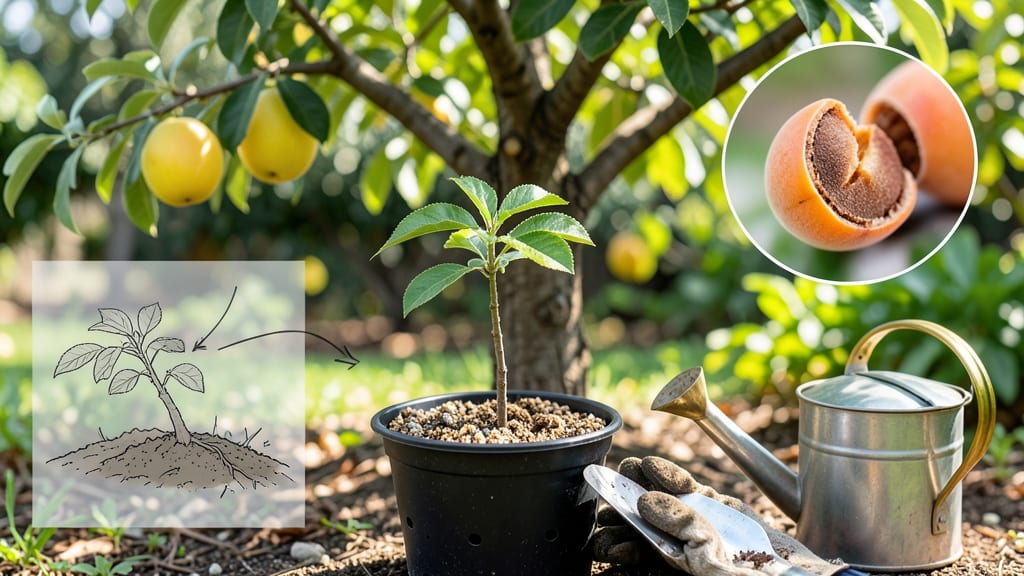
Growing a garden from a nectarine seed turns last year's fruit into next year's orchard. 🌱 The process starts with a single pit, but the payoff—free, homegrown trees—makes it worth the patience.
Most gardeners toss those pits, but with the right steps, you'll watch tiny roots emerge in just 4-6 weeks, setting the stage for a tree that might one day bear fruit (though not always true to the parent).
The biggest surprise? Seed-grown trees take 5-7 years to fruit, if they ever do—nectarine seeds are notoriously slow to mature. But the journey itself is rewarding: watching a sapling grow from a pit you saved from last summer's harvest.
You'll need a warm spot, consistent moisture, and a little luck with germination rates (expect only 20-40% of seeds to sprout).
By spring, you'll have sturdy seedlings ready for transplanting. The trees may not produce perfect fruit, but they'll be hardy, disease-resistant, and uniquely yours. Plus, every seed you plant is one less waste in your kitchen—just save those pits and start growing.
Here's the secret: patience and proper care. The first year focuses on root development—keep seedlings in pots until they're 2-3 feet tall, then transplant to permanent spots. Mulch well to protect young roots, and watch for pests like aphids that love tender new growth.
With the right conditions, your seedling could outgrow store-bought trees in just a few seasons.
Even if the fruit isn't perfect, the satisfaction of growing a tree from scratch is unmatched. You'll learn valuable lessons about orchard care, and who knows? That first homegrown nectarine—even if it's small—will taste like victory.
Start with a few pits this fall, and in a few years, you might just have your own little orchard.
📚 In This Guide
- What you need
- Instructions
- Tips and common mistakes
- Wrapping up and next steps
What you need
- ● Nectarine seeds: 3–5 fresh, plump seeds (harvested from fully ripe, organic nectarines—avoid store-bought seeds if possible, as they may be treated).
- ● Small pots or seed trays: 2–3 (4–6 inches deep) with drainage holes. Tip: Biodegradable pots work great for transplanting later!
- ● Well-draining potting mix: 1–2 bags (look for a seed-starting mix or blend with perlite/vermiculite for aeration).
- ● Plastic wrap or humidity dome: To retain moisture while seeds germinate.
- ● Spray bottle: For gentle watering (avoid over-saturating the soil).
- ● Grow lights or sunny windowsill: A south-facing window or LED grow light (12–16 hours/day) for seedlings.
- ○ Fertilizer (optional but helpful): A balanced, water-soluble fertilizer (5-5-5 or 10-10-10) for later stages.
- ● Knife or scissors: For carefully slicing open nectarine pits to extract seeds.
- ○ Paper towels or damp cloth: To speed up seed stratification (optional but recommended for faster germination).
- ○ Thermometer (optional): To monitor soil temperature (ideal: 60–70°F for germination).
- ● Patience & space: Nectarine trees take 3–5 years to bear fruit—plan for long-term garden real estate!
- ● 💡 Seed prep: Soak seeds in warm water for 24 hours before planting to soften the hard outer shell.
- ● 🌡️ Stratification hack: Place seeds between damp paper towels in a sealed bag in the fridge for 4–6 weeks to mimic winter conditions.
- ● 🎯 Transplant timing: Wait until seedlings are 6+ inches tall before moving them outdoors (spring or after last frost).
Step-by-step instructions for growing nectarine trees from seed
Here's how to turn this year's nectarine harvest into next year's fruit trees—naturally and efficiently.
🌱 Step 1: Extract and Prepare the Seeds
Start by selecting the freshest, firmest nectarines from your harvest—these will yield the best germination rates. Slice the fruit in half and carefully scoop out the seed, removing any remaining fruit pulp. Rinse the seeds thoroughly under cool water to remove all traces of sugar and flesh.
Place the cleaned seeds in a bowl of lukewarm water for 24 hours. This soaking softens the seed coat and kickstarts the germination process. You'll notice the seeds swell slightly as they absorb moisture—this is your signal they're ready for planting. Avoid using hot water, as extreme temperatures can damage the seed's viability.
☀️ Step 2: Stratify for Successful Germination
Nectarine seeds require a period of cold stratification to break their natural dormancy. After soaking, place the seeds between two layers of damp paper towels inside a sealed plastic bag. Store the bag in the refrigerator for 4-6 weeks, checking occasionally to ensure the towels remain moist but not soggy.
During stratification, you'll see the seeds begin to sprout tiny white roots. This is your cue that dormancy has been broken and germination is imminent. Keep the bag in a cool, dark place—like the back of your fridge—to maintain consistent temperatures around 35-40°F. If the towels dry out, mist them lightly with water and reseal the bag.
🌿 Step 3: Plant the Sprouted Seeds
Once the seeds have sprouted roots and a small green shoot emerges, it's time to plant. Fill small pots—3-4 inches deep—with a well-draining potting mix. Make a small hole about ½ inch deep in the center of each pot and gently place the seed, ensuring the shoot faces upward. Cover the seed lightly with soil and press down gently to secure it.
Place the pots in a warm, sunny location where temperatures stay between 65-75°F. Keep the soil consistently moist but not waterlogged, as overwatering can cause the seeds to rot. You'll see the first true leaves appear within 2-4 weeks, signaling that the seedling is establishing itself. At this stage, ensure the pots receive 6+ hours of sunlight daily to prevent leggy growth.
🪴 Step 4: Transplant and Care for Young Seedlings
After the seedlings have developed 3-4 sets of true leaves and are about 6 inches tall, they're ready to be transplanted into larger containers or directly into the ground. Choose a location with well-draining soil and full sun exposure. Dig a hole slightly larger than the seedling's root ball and place the seedling in, ensuring the soil line matches the pot's soil line.
Water the seedlings deeply after transplanting to help them establish roots in their new environment. Mulch around the base with 1-2 inches of organic mulch to retain moisture and regulate soil temperature. Young nectarine trees are sensitive to frost, so protect them during cold snaps with a frost cloth or by bringing potted seedlings indoors. With consistent care, your seedlings will grow into sturdy trees ready for fruiting in 5-7 years.
Tips & tricks for growing nectarine trees from seed
Turning nectarine seeds into fruit-bearing trees takes patience, but these insights will help you avoid common pitfalls and maximize your success.
Seed Selection Matters: Choose seeds from fully ripe, firm nectarines that haven't been refrigerated—cold exposure can reduce germination rates. I always pick the largest, plumpest seeds since they tend to have higher viability. If you're working with multiple seeds, test one first by placing it in warm water to check for any cracks or soft spots that might indicate poor quality.
Stratification Success: The 4-6 week cold period is critical for breaking dormancy, but consistency is key. I place my sealed bags on a shelf in my fridge where the temperature stays steady around 38-40°F—never near the freezer or door where temps fluctuate. If you notice mold developing on the paper towels during stratification, discard those seeds immediately and start fresh with clean materials.
Planting Precision: When creating those ½-inch deep planting holes in your 3-4 inch pots, use a pencil or small stick to make the hole just slightly wider than the seed's diameter. This prevents soil compaction around the seed that could inhibit root development. After planting, give the soil a gentle press with your fingers to ensure good seed-to-soil contact without compressing the seed itself.
Light Management: Those 6+ hours of sunlight per day are non-negotiable for young seedlings, but quality matters more than quantity. Place your pots near an east-facing window where they'll receive gentle morning sun, then move them to a south-facing spot for the afternoon. If using grow lights, position them 6-12 inches above the seedlings and keep them on for 14-16 hours daily to simulate natural daylight cycles.
Pro Tips for Nectarine Seed Grow A Garden
- Turning nectarine seeds into fruit-bearing trees takes patience, but these insights will help you avoid common pitfalls and maximize your success.
- Seed Selection Matters: Choose seeds from fully ripe, firm nectarines that haven't been refrigerated—cold exposure can reduce germination rates.
- Stratification Success: The 4-6 week cold period is critical for breaking dormancy, but consistency is key.
Frequently asked questions
Got questions about growing nectarines from seed? You’re not alone! Here are some of the most common queries—and straightforward answers—to help you turn those pits into thriving trees.
How long does it take for a nectarine seed to sprout?
A nectarine seed typically sprouts in 4–8 weeks after planting, depending on temperature and moisture. Keep the soil consistently damp (not soggy) and place the pot in a warm, sunny spot. Patience is key—some seeds may take longer, especially if stored for months.
Can I grow a nectarine tree from any store-bought nectarine?
Yes, but with a caveat! Store-bought nectarines are often hybrids, so your seed-grown tree may not produce fruit identical to the parent. For better results, save seeds from organic, heirloom, or locally grown nectarines—these are more likely to yield true-to-type fruit over time.
Do nectarine seeds need cold stratification before planting?
Nectarine seeds require 60–90 days of cold stratification (mimicking winter) to break dormancy. Place them in a damp paper towel in the fridge for 2–3 months before planting. Skip this step, and your seed may never sprout—or could grow into a weak, disease-prone tree.
What’s the best soil mix for germinating nectarine seeds?
Use a light, well-draining mix like:
- 50% potting soil
- 30% perlite or vermiculite
- 20% sand or coconut coir
Why did my nectarine seed sprout but died soon after?
Young seedlings are fragile! Common killers include:
- Overwatering (roots need air)
- Temperature swings (keep it above 60°F/15°C)
- Fungal issues (use sterile soil and avoid dampness)
How big should my nectarine seedling be before transplanting outdoors?
Wait until your seedling has 3–5 true leaves and is at least 6–12 inches tall. Harden it off for 1–2 weeks by gradually exposing it to outdoor conditions (start with 1 hour/day). Plant in spring after the last frost in a sunny, sheltered spot with well-draining soil.
Wrapping up and next steps
Growing nectarines from seed is a rewarding way to cultivate your own fruit tree while embracing sustainability!
With patience and care, you can transform a simple seed into a thriving tree that yields delicious fruit in just a few years. Start small—whether it’s one seedling or a whole orchard—your zero-waste effort will leave a lasting impact on both your garden and the planet.
Ready to take the next step? Plant that seed today! If you’re eager to expand your skills, explore grafting techniques or companion planting to maximize your garden’s potential. Happy growing! 🌱🍑