
Lawn
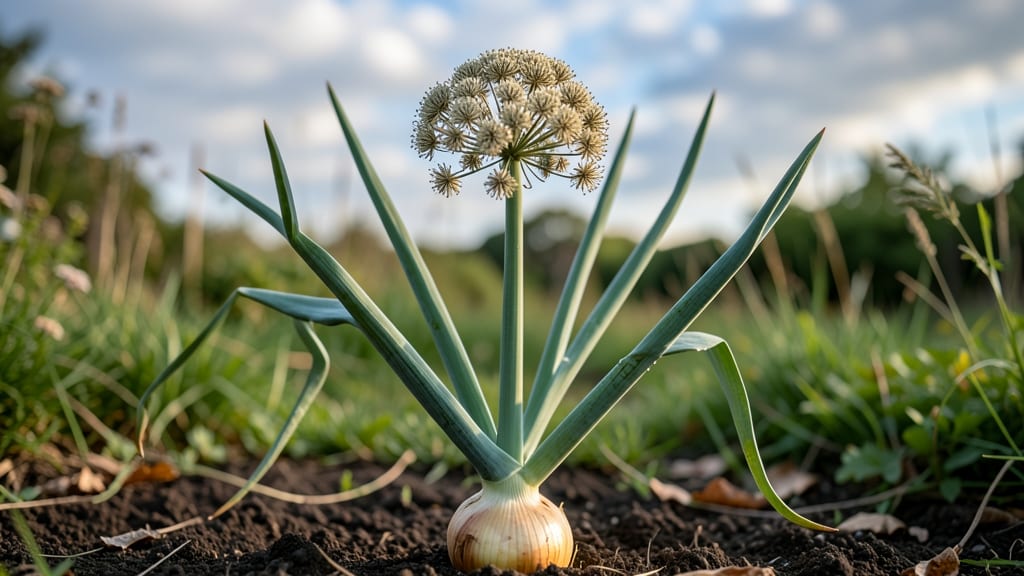
Twisting an onion seed pod until it pops tells you everything you need to know about next year's harvest. 🌱 I learned this trick after wasting perfectly good seed pods because I didn't test them first—now I never overlook this simple step that saves hours of frustration later.
The right time to harvest is when pods turn from green to tan and begin splitting open naturally. Most varieties like 'Red Wethersfield' or 'Yellow Sweet Spanish' produce seed pods that mature in 70-90 days after transplanting, but watch your plants closely—they won't wait for your schedule.
Once you've collected them, store the viable seeds in an envelope with a moisture absorber like silica gel. Keep them in a cool, dark place where they'll stay fresh for 3-5 years, ready to plant when you're ready for another crop.
This method works for organic growers, heirloom varieties, and even commercial-scale seed saving. The key is patience—waiting for pods to mature fully ensures strong, vigorous seedlings next season.
📚 In This Guide
- What you need
- Instructions
- Tips and common mistakes
- Wrapping up and next steps
What you need
- ● Onion seed pods: Freshly harvested or stored pods (aim for 10–20 pods for a reliable test).
- ● Paper towels: 2–3 sheets (unbleached, if possible).
- ● Plastic zip-top bags: 1–2 quart-sized bags (resealable).
- ● Spray bottle: With water (or a small cup for dampening).
- ○ Permanent marker: For labeling (optional but helpful!).
- ● Small plate or container: To hold pods during testing (e.g., a shallow dish).
- ● Notebook or app: For tracking results (e.g., Google Sheets or a simple log).
- ● Magnifying glass: To inspect seed pods closely (great for pro-level testing!).
- ○ Humidity monitor: Optional, if testing in variable conditions (ideal range: 40–60%).
How to test onion seed pods for viability before storing
This simple twist test saves you from planting duds—here's how to check your harvest.
🌱 Step 1: Harvest Seed Pods at Peak Maturity
Wait until onion seed pods turn from green to a pale tan or light brown—this signals full maturity. The pods should feel dry and papery to the touch, with seeds rattling inside when shaken. Harvest them on a dry morning after dew has evaporated, as moisture encourages mold during storage.
Use clean, sharp scissors to snip the pods from the stalk, leaving a short stem attached. This prevents bruising that could damage the seeds inside. Spread the pods on a clean towel in a single layer to dry completely for 3-5 days in a warm, dry place with good air circulation.
🌿 Step 2: Perform the Twist Test for Viability
Grab a single seed pod and hold it firmly between your thumb and forefinger. Twist gently but firmly—you should hear a slight crackling sound as the pod separates from the stem. If the pod twists off cleanly with minimal resistance, the seeds inside are likely viable and ready for storage.
If the pod resists twisting or feels mushy when squeezed, discard it immediately. These pods either haven't fully matured or have absorbed too much moisture. Test 10-20 pods from each batch to get an accurate reading of your harvest's viability.
⏰ Step 3: Store Viable Seed Pods Properly
Place only the viable pods in a paper envelope or small cloth bag—plastic traps moisture and encourages rot. Label each with the variety name and harvest date. Store the envelopes in a cool, dark place with 35-40% humidity and 35-45°F temperatures, like a seed vault or refrigerator crisper drawer.
Check pods every 3-6 months for signs of mold or pests. If you notice any discoloration or musty smells, discard those pods immediately and test a fresh batch. Viable seeds stored this way can remain good for 3-5 years, though germination rates decline gradually over time.
💧 Step 4: Test a Sample Before Planting Next Season
Before committing to a full planting, conduct a quick germination test. Place 10 seeds between two damp paper towels in a sealed plastic bag. Keep them in a warm spot (70-75°F) and check daily. If 70% or more sprout within 10-14 days, your stored seeds are still viable and ready for planting.
If germination falls below 50%g>, consider treating the remaining seeds with a 1% hydrogen peroxide solution for 5 minutes to boost viability before planting. This simple test ensures you only plant what will actually grow, saving time and resources.
Tips & tricks for perfect onion seed pod viability testing
The right timing and technique make all the difference when testing seed viability. Here's what I've learned from years of seed saving:
Harvest Timing: Those 3-5 days of drying after harvest are crucial—don't rush it! Place pods in a spot with good airflow, like a mesh screen over a table. I've seen pods develop mold when dried too quickly in closed containers. Also, harvest on dry mornings to prevent moisture absorption that can ruin your entire batch.
Twist Test Technique: The key to an accurate twist test is using pods that are completely dry. If they feel even slightly damp, wait another day. When testing, apply pressure gradually—too much force can crack viable pods. I test about 20 pods per batch to get a reliable average, since some pods in any harvest will be less mature.
Storage Environment: That 35-45°F range is non-negotiable for long-term storage. I use my refrigerator's crisper drawer with a small silica gel packet to maintain the 35-40% humidity level. The dark environment prevents light-induced degradation that can reduce germination rates over time. Check your storage spot with a thermometer/hygrometer if you're unsure.
Germination Test Shortcut: For the 10-seed test, I use clear plastic bags instead of paper towels—they create a mini greenhouse effect that speeds up sprouting. Place the bag in a warm spot (like on top of the fridge) where it stays consistently at 70-75°F. You'll see sprouts appear in just 5-7 days if your seeds are good, saving you from waiting the full 10-14 days.
Pro Tips for Onion Seed Pods
- The right timing and technique make all the difference when testing seed viability.
- Harvest Timing: Those 3-5 days of drying after harvest are crucial—don't rush it!
- Twist Test Technique: The key to an accurate twist test is using pods that are completely dry.
Frequently asked questions
Got questions about testing and storing onion seed pods?
You’re not alone! Here are answers to the most common queries—so you can store your harvest with confidence.
How do I know if my onion seed pods are still viable?
Perform the twist test: Gently twist a pod at the base. If it snaps cleanly with a slight pop, the seeds inside are likely viable. If it crumbles or feels mushy, it’s time to compost. For extra accuracy, plant a few—if they sprout within 10–14 days, your pods are good to go!
How long can I store onion seed pods before they lose viability?
Stored properly in a cool (35–40°F), dry place, onion seed pods stay viable for 1–2 years. For longer storage, dry them fully (3–5 days in a dark, well-ventilated spot) and keep them in paper envelopes or breathable fabric bags to prevent moisture buildup.
Can I store onion seed pods in the fridge or freezer?
While onions hate humidity, a fridge or freezer can work short-term (up to 6 months). Place pods in a paper bag with silica gel packets to absorb moisture. Avoid plastic—condensation will ruin them! For long-term storage, stick to a root cellar or cool pantry instead.
What’s the best alternative if my seed pods won’t twist open?
If pods resist twisting, try these tricks:
- Heat method: Place pods in a 300°F oven for 10–15 minutes to soften them.
- Freeze-thaw: Freeze pods overnight, then thaw—this loosens the seeds.
- Manual extraction: Slice open pods with sterilized scissors (save seeds for planting).
If all else fails, plant the pods directly—they’ll still germinate!
Why are my stored onion seed pods moldy or discolored?
Mold or dark spots mean excess moisture or poor airflow. Toss affected pods immediately—mold spreads fast and can contaminate others. To prevent this:
- Dry pods thoroughly before storing (no dampness!).
- Use breathable containers (never airtight).
- Check storage spots monthly for humidity.
If you catch it early, salvage seeds by drying them further in sunlight.
Wrapping up and next steps
Testing the viability of onion seed pods before storage is a simple yet powerful way to ensure a thriving garden next season! 🌱 By mastering the twist test and understanding key factors like freshness, moisture, and firmness, you’re setting yourself up for success.
Whether you’re a seasoned gardener or just starting out, these insights will help you save time, money, and frustration—so you can focus on what really matters: growing beautiful, healthy plants.
Ready to put your new skills to the test? Grab a handful of pods, give them a twist, and plan your storage strategy today! Your future harvest will thank you. 🌿