
Propagation
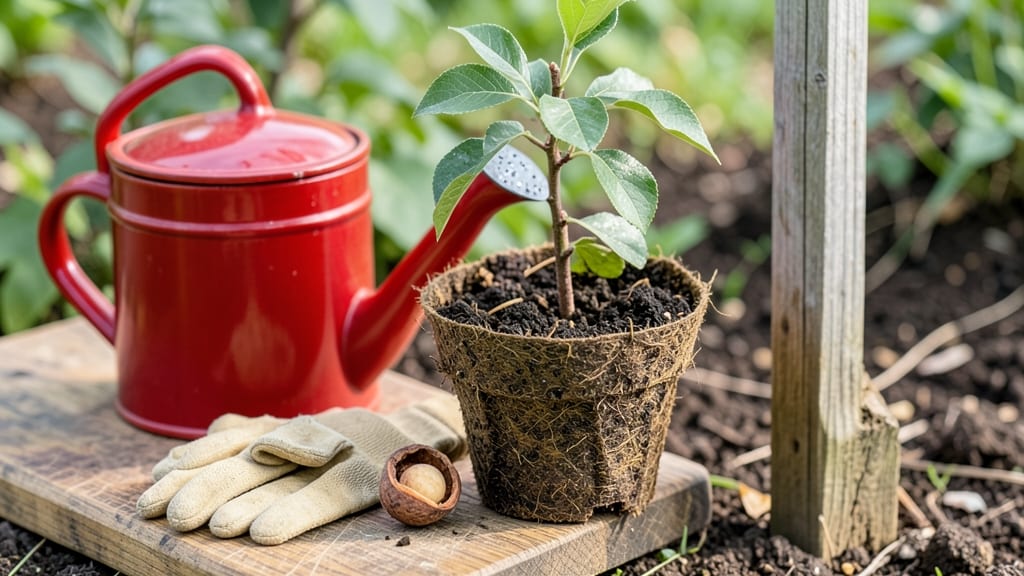
Growing a peach tree from a seed pit is the ultimate zero-waste gardening project—just save that pit after snacking and you’re already halfway there. 🌱 The twist-free viability test I learned from my grandpa’s orchard saves months of waiting for nothing: simply soak the pit for 24 hours, then check for a tiny crack.
If it splits, you’ve got a living seed ready to sprout.
This isn’t about instant fruit—think 5-10 years before you see peaches, and they’ll likely be small and inconsistent compared to grafted trees. But the adventure? That’s the point.
Start with a quart-sized pot of moistened seed-starting mix, plant the pit 1 inch deep, and keep it in a warm, sunny spot. Patience is key, but those first green shoots feel like magic.
By the time your seedling hits 12 inches tall, it’s ready for its first transplant into a larger pot or the ground. Choose a sunny spot with well-draining soil, and protect young trees from frost.
The real reward? A tree with roots in your yard’s history, not just a nursery shelf.
Seed-grown trees thrive in USDA zones 5-9, but they’re sensitive to disease—keep an eye out for brown spots or wilting. Grafted trees bear fruit faster, but this method? It’s about the journey, not just the harvest. Ready to grow something meaningful?
📚 In This Guide
- What you need
- Instructions
- Tips and common mistakes
- Wrapping up and next steps
What you need
- ● Peach pit: 1 fresh, organic peach pit (avoid store-bought pits treated with fungicides). Pro tip: 💡 Harvest from a ripe, healthy peach!
- ● Containers: 1 small paper towel or coffee filter (for stratification)
- ● 1 small pot (4–6 inches wide) with drainage holes or a plastic bag with holes poked in it (for germination)
- ● 1 larger pot (10+ inches wide) for transplanting (after sprouting)
- ● Growing medium: 1 part potting soil (well-draining, seed-starting mix preferred)
- ○ 1 part perlite or sand (for aeration, optional but recommended)
- ● Watering tools: Spray bottle (for gentle moisture)
- ● Small watering can (for established seedlings)
- ● Stratification supplies: Plastic wrap or damp paper towel (to maintain moisture)
- ● Ziploc bag or airtight container (for cold treatment)
- ○ Heat source (optional but helpful): Seedling heat mat (70–80°F) or a sunny windowsill (south-facing)
- ● Patience: Germination can take weeks to months—peach pits are stubborn! 😅
- ● Cold stratification: Requires 4–12 weeks in the fridge (34–40°F) before planting.
- ● Warmth: Ideal germination temp: 70–85°F (use a heat mat if needed).
- ● Light: Bright, indirect light (or grow lights) once sprouted.
- ● Space: Outdoor transplanting only after last frost (peach trees need full sun!).
How to test and grow a peach tree from a seed pit
Turn that grocery-store pit into a thriving tree—here's how to check viability first.
🌱 Step 1: Extract and Prepare the Seed Pit
Gently clean the seed pit by removing any remaining fruit flesh with a paper towel, then rinse it under cool water. You want the pit completely bare—any leftover pulp will rot during germination. I always soak the pit in a glass of water for 24 hours to soften the outer shell and speed up the germination process.
After soaking, check for viability by giving the pit a gentle twist between your fingers. If it cracks or splits easily, the seed inside is likely dead. A firm, unbroken pit means you're ready to move forward. Here's the thing—peach pits have a hard outer shell, so don't force it. Let nature do the work.
💧 Step 2: Stratify the Seed for Germination
Peach seeds need a cold period to break dormancy, so place the cleaned pit in a plastic bag with a damp paper towel. Seal it tightly, then refrigerate for 8-12 weeks. Check the bag weekly to ensure the towel stays moist but not soggy—you'll see condensation on the bag walls, but no standing water.
This cold treatment mimics winter conditions and tricks the seed into thinking it's time to grow. I mark the bag with a permanent marker so I don't forget about it. After 8-12 weeks, remove the pit and let it sit at room temperature for 1-2 days to dry slightly before planting. You'll know it's ready when the shell feels slightly rougher to the touch.
☀️ Step 3: Plant the Germinated Seed
Fill a small pot with well-draining potting mix and plant the pit 1 inch deep, pointed end down. Water lightly until the soil is evenly moist but not saturated. Place the pot in a warm, sunny spot—peach seeds need 65-75°F soil temperatures to germinate properly.
Cover the pot with plastic wrap to retain moisture and warmth, but remove it daily for 10 minutes to prevent mold. Germination can take 2-4 weeks, so be patient. You'll see a small sprout emerge from the top of the pit first, followed by the root pushing down into the soil. This is the moment that matters—it means your zero-waste effort paid off.
🌿 Step 4: Transplant and Care for the Seedling
Once the seedling reaches 4-6 inches tall and has 3-4 true leaves, transplant it into a larger pot or directly into the ground in a warm climate. Peach trees need full sun and well-draining soil to thrive. Water deeply after transplanting to help the roots establish.
Don't rush this step. A young peach tree is delicate, so wait until all danger of frost has passed in your area. You'll know it's settled in when new leaves appear within 2-3 weeks. Real talk: Growing a peach tree from seed means you won't get the exact variety of the fruit you started with, but the adventure of watching it grow is worth it.
Tips & tricks for growing a peach tree from a seed pit
Here's what nobody tells you about turning that grocery-store pit into a thriving tree.
Viability Check: The 24-hour soak in Step 1 isn't just about softening the shell—it's your first chance to test viability. After soaking, if the pit still feels rock-hard when you twist it, give it another 12 hours in warm water. A viable pit will show some give, even if it doesn't crack. I've had pits that took 36 hours total to soften enough to test properly.
Stratification Strategy: Don't skip marking your plastic bag! I've seen people forget the cold treatment entirely—mark the bag with the date and "8-12 weeks" in permanent marker. Place it in the crisper drawer of your fridge where it's consistently cold. The damp towel should feel like a wrung-out sponge: moist but not dripping. If condensation forms inside the bag, open it for 5 minutes to let excess moisture escape.
Planting Precision: When planting your pit 1 inch deep in Step 3, use a pencil to mark the soil level before covering it. This helps you remember how deep you planted it—some people accidentally bury it too deep, which can stunt germination. The pointed end must face down, but if you're unsure which is which, plant it sideways. The seed will still sprout, though it might grow crooked at first.
Germination Timeline: The 2-4 week window for germination can feel like forever, but here's the secret: warmth is everything. If your kitchen stays below 65°F, place the planted pot on top of your refrigerator (not inside) for consistent warmth. A heat mat set to 70°F can cut germination time by nearly half. Just don't let the soil dry out—stick your finger in daily to check moisture.
Pro Tips for Peach Tree From Seed Pit
- Here's what nobody tells you about turning that grocery-store pit into a thriving tree.
- Viability Check: The 24-hour soak in Step 1 isn't just about softening the shell—it's your first chance to test viability.
- Stratification Strategy: Don't skip marking your plastic bag!
Frequently asked questions
Growing a peach tree from a seed pit is exciting but can raise questions—especially for beginners! Here are answers to the most common queries to help you navigate the process with confidence.
How long does it take for a peach seed to sprout?
A peach seed typically sprouts in 2 to 4 weeks under ideal conditions (warmth, moisture, and darkness). Patience is key—some seeds may take up to 6 weeks or longer, especially if they’re dormant. Keep the soil consistently moist but not soggy, and place the container in a warm spot (around 70°F) for best results.
Will my seedling grow into a true peach tree?
While it’s possible, there’s no guarantee your seedling will produce fruit identical to the parent tree. Peach trees grown from seeds are often unpredictable—they may take 5-7 years to bear fruit (if they do at all), and the flavor, size, or even hardiness could differ. For reliable fruit, consider grafting or buying a grafted tree.
What’s the best temperature for germinating peach pits?
Peach seeds thrive in warmth, ideally between 65°F and 85°F. If your home is cooler, place the seed in a seedling heat mat or near a sunny window. Avoid extreme cold—seeds may rot or fail to sprout. Once sprouted, move it to a bright, indirect light spot to prevent leggy growth.
Can I plant the seed directly in the ground?
Direct outdoor planting is risky—peach seeds need consistent warmth and moisture to germinate, which soil may not provide reliably. Start indoors in a small pot with well-draining soil (like a mix of peat and perlite) for better control. Once the seedling is 3-4 inches tall and strong, you can transplant it outdoors after the last frost.
Why isn’t my peach pit sprouting?
Several factors could delay germination: old seeds (use fresh pits), dry soil (keep it damp), or improper stratification (peach seeds need a cold period—try refrigerating the pit for 4-6 weeks before planting). If the pit rots or molds, it may be damaged. Try again with a new pit or check for pests like ants or mold.
How do I care for a young peach seedling?
Once sprouted, keep the soil moist but not waterlogged and place the seedling in bright, indirect light. After 2-3 weeks, introduce it to direct sunlight for a few hours daily to strengthen growth. Fertilize lightly with a balanced houseplant fertilizer once leaves appear. Transplant outdoors only after it’s hardened off (acclimated to outdoor temps).
Wrapping up and next steps
Growing a peach tree from a seed pit is a rewarding journey that blends patience, creativity, and sustainability.
While success isn’t guaranteed—thanks to the twist-free challenge—this zero-waste method offers a unique way to connect with nature and nurture life from something as simple as a pit. 🌱 Whether you’re a seasoned gardener or a curious beginner, every step you take is a chance to learn and grow (literally!).
Ready to take the next step? Once your seedling sprouts, transplant it into a pot and give it the love it deserves. With time, care, and a little luck, you might just watch your tiny seedling blossom into a fruit-bearing tree—one that carries the legacy of your green thumb! 🌳✨