
Lawn
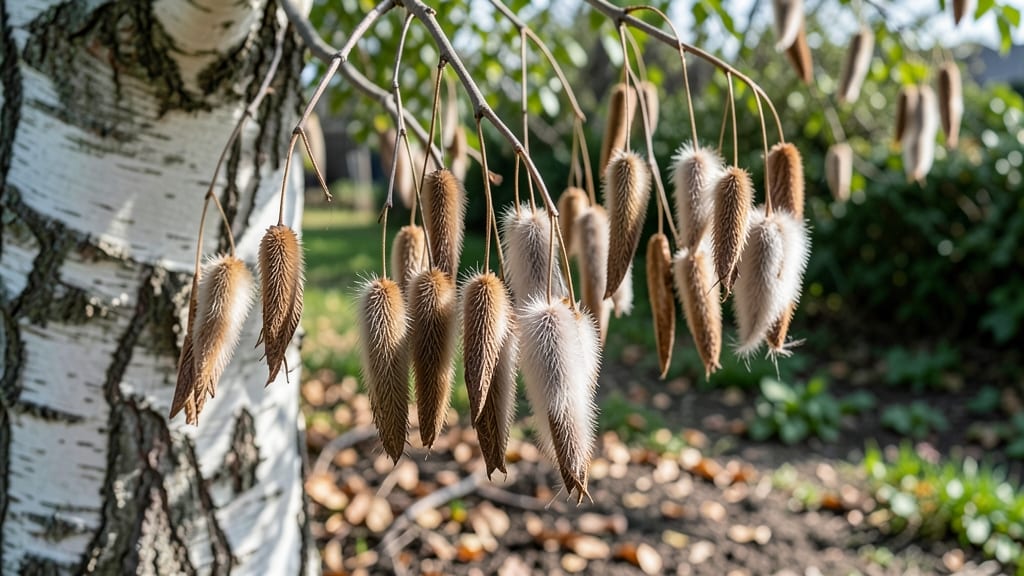
Poplar tree seed pods are nature’s free way to grow your own fast-growing trees—if you know how to harvest them right. 🌳 I’ve turned my yard’s annual seed pod drop into a reliable source of new trees, and the process is simpler than you’d think once you learn the timing and technique.
First, identify mature seed pods in late summer or early fall—they’re those fuzzy, cotton-filled capsules that flutter to the ground. Collect them before they burst open, then let them dry indoors for a few days.
The key is patience: poplar seeds need a cold period to germinate, so store them in a sealed bag in the fridge until spring. When planting time comes, scatter the seeds on bare soil in a sunny spot and barely cover them—they need light to sprout.
Keep the soil moist but not soggy, and within a few weeks, you’ll see tiny shoots pushing through. These trees grow fast, reaching 10 feet in just a few years with proper care. The best part? You’re not just growing trees—you’re reducing waste and creating shade for future generations.
No special soil mix is needed, just well-draining earth and regular watering until they’re established.
📚 In This Guide
- What you need
- Instructions
- Tips and common mistakes
- Wrapping up and next steps
What you need
- ● Poplar seed pods: Collect fresh, mature pods (greenish-brown, slightly woody) from healthy poplar trees in late summer or early fall. Aim for at least 100 pods for reliable germination.
- ● Pruning shears or small handsaw: For harvesting pods from higher branches (ensure the tree is not diseased!).
- ● Large paper bags or breathable fabric sacks: Use 2-3 bags to collect pods without crushing them.
- ● Drying tray or screen: A wire mesh tray (12" x 18") or a flat, elevated surface to air-dry pods for 2-4 weeks.
- ● Paper towels or newspaper: For spreading pods in a single layer during drying.
- ● Small paper envelopes or airtight containers: For long-term storage (e.g., 5x7" envelopes or mason jars with silica gel packets).
- ● Permanent marker: To label containers with the harvest date and tree species (e.g., "Populus deltoides – 2024").
- ○ Optional: Fan or dehumidifier: Speeds up drying in humid climates (place pods 6+ inches away to avoid moisture buildup).
- ● Dry, well-ventilated space: Ideal temp range for drying: 60–75°F (15–24°C). Avoid direct sunlight to prevent overheating.
- ● Outdoor access: Poplar trees thrive near water, so scout ponds, streams, or wetland edges for healthy specimens.
- ○ Gloves (optional): Protect hands from mild sap irritation if handling large quantities.
- ● Harvest timing: Wait until pods turn brown and papery—they’ll release seeds on their own if left too late! 🌬️
- ● Storage hack: Add a damp paper towel to containers to maintain 30–50% humidity during storage.
- ● Test viability: Before planting, soak 10 pods in water for 24 hours—90% that float are viable! 🚀
How to harvest and store poplar seed pods for next year's planting
Turn those fluffy cottonwood clouds into next spring's trees—here's my foolproof method.
🌿 Step 1: Identify and Harvest Mature Seed Pods
Poplar seed pods—those fuzzy, cotton-filled balls—ripen in late summer to early fall. Look for pods that have turned from green to light brown and feel dry to the touch. The best time to harvest is when the pods begin to split open naturally, usually in September or October depending on your climate.
Gather pods from the ground or shake them from trees on a dry day. I like to work on a tarp or large sheet to make cleanup easier. Avoid harvesting pods that are still green—they won't store well and may not germinate properly. Fill a paper bag or breathable container with your collected pods, leaving room for them to dry further.
🪴 Step 2: Dry and Store Seed Pods Properly
Spread the pods in a single layer on a tray or screen in a cool, dry place with good airflow for 2-3 weeks. This final drying step prevents mold and ensures maximum germination rates. A well-ventilated garage or basement works well, as long as it stays below 70°F and away from direct sunlight.
Once completely dry, the pods should feel light and papery. Store them in a paper bag or envelope—plastic traps moisture and causes rot. Label the bag with the harvest date, as viability decreases after 2 years. Keep the bag in a dark, cool spot like a basement or seed drawer until spring planting.
⏰ Step 3: Prepare Pods for Spring Planting
In early spring, when soil temperatures reach at least 50°F, it's time to plant. Poplar seeds germinate best when sown directly outdoors. Scatter the pods on prepared soil in a sunny, moist location—they prefer well-drained areas near water sources but won't tolerate standing water.
Don't bury the pods—they need light to germinate. Simply press them gently into the top ¼ inch of soil. Water lightly after planting, keeping the soil consistently moist but not soggy. You'll see tiny sprouts emerge within 2-4 weeks, signaling successful germination. Thin seedlings to 6 inches apart once they reach 4 inches tall for stronger growth.
💧 Step 4: Care for Young Seedlings
Poplar seedlings need regular watering during their first growing season, especially in dry spells. Water deeply once a week, providing 1 inch of water each time. You'll know they're getting enough moisture when the soil feels damp 2 inches below the surface. Avoid overhead watering to prevent fungal diseases.
Young poplars grow fast but need support. Stake taller seedlings if winds are strong, using 3-foot stakes tied loosely to allow movement. Fertilize lightly with a balanced 10-10-10 formula in early spring only—poplars don't need heavy feeding. Mulch around the base with 2 inches of wood chips to retain moisture and suppress weeds.
Tips & tricks for perfect poplar tree seed pod storage
Here's what I learned after years of trial and error with poplar seed pods—these little details make all the difference.
Timing is Everything: Harvest pods only when they're light brown and beginning to split open naturally. Green pods won't store well, and fully opened ones release seeds too quickly. If you miss the September-October window, wait until pods turn completely brown before collecting—just don't wait too long or the seeds lose viability. I've found that harvesting on a dry morning gives me the cleanest pods with the most intact seeds.
Drying Strategy: The 2-3 week drying period in Step 2 is non-negotiable for preventing mold. I've had batches go bad when dried too quickly in warm conditions. Place a small fan nearby to maintain airflow without creating drafts that scatter seeds. A temperature below 70°F is ideal—any warmer and you risk premature drying or mold growth. Test for readiness by gently squeezing a pod; it should crumble easily.
Storage Wisdom: Paper bags are your best friend for long-term storage—plastic bags trap moisture and cause rot within weeks. I've labeled my bags with both the harvest date and "Poplar Seed Pods" in permanent marker to avoid confusion. Store them in a dark spot like a basement or seed drawer, but keep them away from heating vents or windows that might expose them to temperature fluctuations. Remember, viability drops significantly after 2 years, so use your oldest pods first.
Planting Preparation: When soil temperatures hit at least 50°F in spring, your pods are ready. I like to pre-chill them overnight in the fridge before planting to mimic natural winter conditions and boost germination rates. Pressing pods just ¼ inch deep gives them enough light to sprout while keeping them stable. The 2-4 week germination window can vary—don't be discouraged if you don't see sprouts immediately, especially in cooler climates.
Pro Tips for Poplar Tree Seed Pods
- Here's what I learned after years of trial and error with poplar seed pods—these little details make all the difference.
- Timing is Everything: Harvest pods only when they're light brown and beginning to split open naturally.
- Drying Strategy: The 2-3 week drying period in Step 2 is non-negotiable for preventing mold.
Frequently asked questions
Got questions about harvesting and using poplar tree seed pods? You’re not alone—these unique pods can be tricky to work with! Here are answers to the most common queries to help you get the most out of your zero-waste project.
When is the best time to collect poplar seed pods for germination?
Harvest poplar seed pods in late fall or early winter (November–January) when they’ve turned brown and dry but haven’t yet released their seeds. If you wait too long, the pods may split open naturally, scattering seeds prematurely. Aim for pods that are crispy to the touch but still intact.
Why won’t my poplar seed pods open to release the seeds?
Poplar seed pods often resist opening because they’re designed to release seeds gradually. To encourage them, soak the pods in warm water for 24–48 hours or gently crush them with a hammer (wear gloves—those fibers are itchy!). If they still refuse, the seeds may already be viable inside—just split them open carefully.
Can I use poplar seed pods for anything other than planting?
Beyond germination, poplar seed pods are great for natural fiber crafts (like dreamcatchers or wreaths), composting (they break down quickly), or even as a textural element in terrariums. Just avoid burning them—they release irritating sap when heated.
How long do poplar seeds stay viable after harvest?
Poplar seeds remain viable for 1–2 years if stored properly in a cool, dry place (like a sealed jar in the fridge). For best results, plant them within 6 months of harvest. If you’re unsure about freshness, do a simple float test: Drop seeds in water—viable ones sink!
Are poplar seed pods invasive? Should I avoid planting them?
Poplar trees (especially cottonwoods) are fast-growing and can be invasive in some regions. Before planting, check your local invasive species database or opt for native poplar varieties like the Eastern Cottonwood, which are better suited to controlled landscapes. Always plant in designated areas!
Wrapping up and next steps
Harvesting poplar tree seed pods is a simple yet rewarding way to ensure reliable germination for next year’s growth—while embracing zero-waste practices! 🌱 Whether you’re a gardener or an eco-conscious homeowner, these fluffy, cotton-like pods offer a natural and cost-effective solution. Start small: collect a few pods, experiment with germination techniques, and soon you’ll be nurturing a new generation of poplar trees effortlessly.
Ready to take the next step? Grab a bag, head outdoors, and let nature’s cycle inspire your green thumb! 🌿